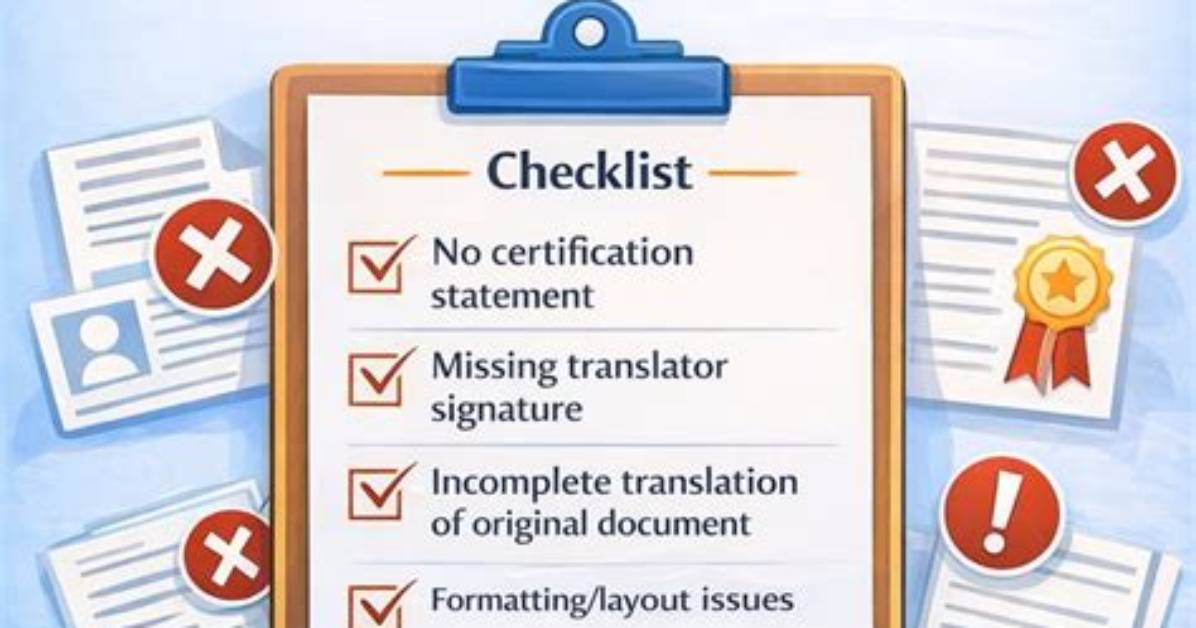
Explore Why Direct Translations Fail the Most Common Mistake When Translating How. Our editorial desk regularly tracks important developments, historical archives, and detailed background records on this subject.
Owing to high network demand, the deep archival record for **Why Direct Translations Fail the Most Common Mistake When Translating How** has been temporarily queued for cache re-indexing. During moments of scheduled database replication across our remote delivery endpoints, this verified fallback briefing ensures continuous reader access without broken links or connection drops.
Our search and replication engine continuously re-indexes remote endpoints every few minutes to bring the complete dossier back into active memory. In the meantime, our system ensures you remain informed with verified context, key research points, and related article links.
What to Keep in Mind During Synchronization
- Distributed Cache Redundancy: Prevents connection timeouts during heavy remote database load while maintaining search engine index stability and instant page loading.
- Automated Background Sync: Remote database clusters are queried automatically on a scheduled rotation to restore complete historical text once server load normalizes.
- Continuous Discovery: Readers are invited to explore the curated stories and related topics in our sidebar for related biographies and emerging features.
We appreciate your understanding as our automated systems balance heavy reader volume with data integrity.

