Unlocked body sex swing mechanics safety and user guide essentials
Published
The body sex swing has evolved from a niche fetish accessory into a versatile tool for intimacy, fitness, and sensory exploration, blending engineering precision with playful functionality. Unlike traditional swings or spreader bars, these devices suspend users in a controlled, adjustable space, offering everything from deep muscle relaxation to heightened erotic experiences. Whether mounted to a ceiling, freestanding in a bedroom, or portable for travel, their design prioritizes both performance and safety—yet missteps in setup or usage can turn pleasure into peril.
From high-end massage swings equipped with remote-controlled adjustments to budget-friendly folding models, the market now caters to diverse needs, from solo stretching routines to couples’ BDSM scenarios. Understanding the mechanics—such as load distribution, harness durability, and psychological effects like improved circulation—is critical for maximizing benefits while mitigating risks. This guide dissects the science behind body sex swings, highlights real-world applications backed by user testimonials, and provides a safety-first framework to ensure every session remains empowering and secure.
Understanding Body Sex Swings: Overview and Core Features
Body sex swings represent a sophisticated evolution in adult play equipment, designed to combine functionality, safety, and sensory enhancement. Unlike traditional swing mechanisms—such as spreader bars or adult swing chairs—body sex swings prioritize full-body suspension, allowing users to experience a unique blend of physical liberation and controlled movement. These devices are engineered to accommodate a range of activities, from solo exploration to couples’ play and BDSM practices, while ensuring stability and adjustability. The core mechanics revolve around a harness-and-suspension system, where the user’s weight is evenly distributed across padded straps and reinforced suspension points, enabling unrestricted motion without compromising safety. High-quality materials, such as steel or aluminum frames, paired with thick, breathable padding, distinguish premium models from budget alternatives, directly impacting durability, comfort, and performance.
The design philosophy behind body sex swings emphasizes modularity and adaptability, allowing users to customize their experience based on intensity, comfort, or fetish-specific needs. Whether integrated into a dedicated swing frame or a portable setup, these devices leverage multi-axis adjustability to cater to different body types and preferences. Safety remains a non-negotiable priority, with features like fail-safe locks, reinforced stitching, and weight-rated harnesses mitigating risks associated with suspension play. Below, a detailed breakdown of key components, comparative analysis of models, and real-world applications illustrates how these devices function in practice.
Fundamental Mechanics and Design Differentiators
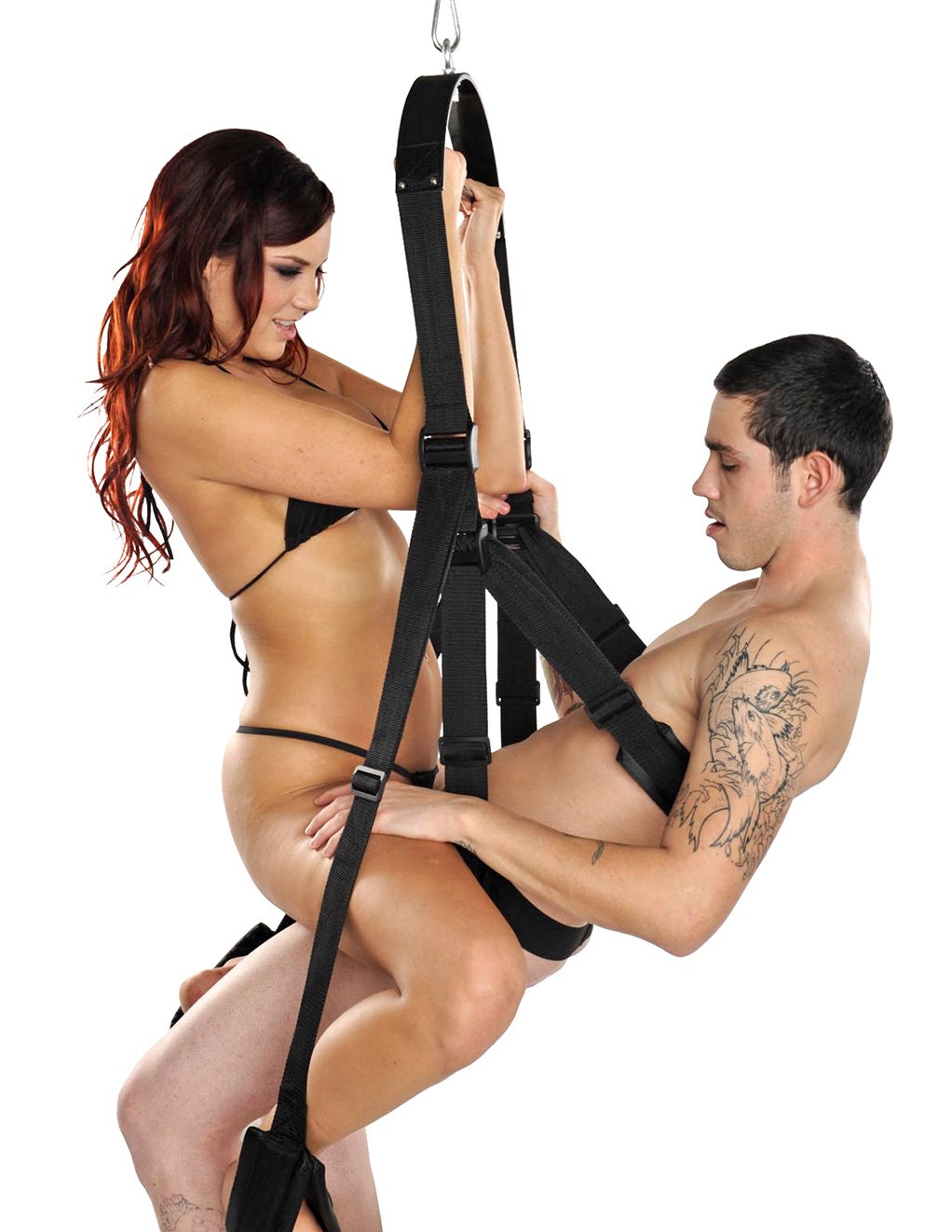
Body sex swings operate on a suspension-based principle, where the user’s body is securely fastened to a harness that distributes weight across multiple contact points. This contrasts with spreader bars, which typically focus on limb separation, or adult swing chairs, which prioritize seated or reclined positions. The core innovation lies in the full-body harness, which often includes: - Shoulder and chest straps for upper-body support. - Thigh and waist straps to stabilize the lower body. - Optional leg or ankle restraints for advanced positioning.
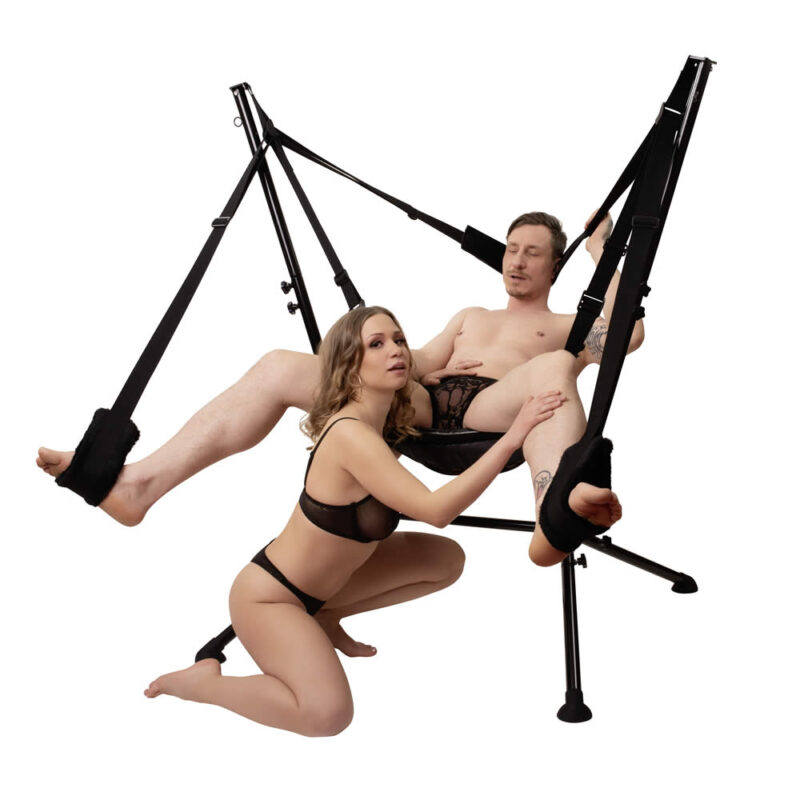
The suspension system itself may employ single-point or dual-point anchoring, where the latter enhances stability by reducing sway. High-end models incorporate adaptive tension mechanisms, allowing users to adjust the degree of suspension—from gentle rocking to dynamic, free-swinging motion. The base stability of the swing is another critical factor; heavy-duty models feature wide, non-slip bases or wall-mounted brackets to prevent tipping, especially during vigorous use.
A key distinction between body sex swings and other suspension devices is their versatility. While spreader bars excel in limb-focused play, body sex swings enable holistic movement, including: - Inverted positions for enhanced blood flow and sensory deprivation. - Partial suspension to simulate weightlessness. - Dynamic swinging to create rhythmic motion for both solo and partnered activities.
The choice of materials further differentiates performance. Steel frames offer unmatched durability and load capacity, making them ideal for heavy-duty or commercial use, whereas aluminum frames provide a lighter, more portable alternative without significant trade-offs in stability. Straps are typically made from nylon or leather, with padded versions reducing chafing during prolonged use, while non-padded straps cater to users who prefer a firmer grip or specific fetish scenarios.
Step-by-Step Breakdown of Key Components
The functionality of a body sex swing hinges on its interconnected components, each serving a specific role in safety, comfort, and performance. Below is a structured analysis of the most critical elements:
Safety and performance are directly proportional to the quality of individual components. A single compromised part—such as a weak strap or unstable base—can negate the benefits of an otherwise high-end swing.
1. Suspension System The backbone of the swing, the suspension system determines stability, adjustability, and load distribution. Key considerations include: - Frame Material: Steel (highest weight capacity, e.g., 300+ lbs) vs. aluminum (lighter, 150–250 lbs). - Suspension Points: Single-point (simpler, less stable) vs. dual-point (reduces sway, ideal for dynamic use). - Adjustable Height: Ceiling-mounted (fixed height) vs. freestanding with telescoping poles (adjustable for different room heights). - Anti-sway Technology: Dampening mechanisms or counterbalance weights to minimize excessive movement.
2. Harness and Straps The harness is the direct interface between user and swing, requiring breathability, durability, and ergonomic design. - Strap Materials: - Padded Straps: Neoprene or foam padding for comfort during extended use (common in massage or sensory-deprivation swings). - Non-Padded Straps: Leather or reinforced nylon for firmer restraint, often used in BDSM scenarios. - Adjustability: Buckle systems (quick release) vs. Velcro or ratcheting straps (precise tension control). - Safety Locks: Automatic locking carabiners or dual-release mechanisms to prevent accidental detachment. - Weight Distribution: Four-point harnesses (shoulders, thighs, waist) vs. full-body suits (for advanced users).
3. Base and Stability Features The foundation of the swing dictates safety and usability, particularly in active environments. - Base Design: - Freestanding: Wide, low-center-of-gravity bases with non-slip rubber feet or wheel locks for portability. - Wall-Mounted: Heavy-duty brackets (concrete anchors recommended) for ceiling-mounted swings. - Folding Models: Compact designs with quick-setup mechanisms, often sacrificing stability for portability. - Weight Capacity: Certified load limits (e.g., 200 lbs for budget models vs. 500+ lbs for luxury swings). - Floor Protection: Integrated rubber mats or silicone pads to prevent damage during swinging.
4. Additional Enhancements Premium models incorporate optional features that elevate the user experience: - Massage Nodes: Vibrating or heated pads integrated into the harness for sensory stimulation. - Remote Control: Wireless adjustability for tension, speed, or integrated massage functions. - LED Lighting: Ambient or focused lighting for mood enhancement in low-light settings. - Hygiene Features: Removable, machine-washable covers for easy cleaning.
Comparison of Body Sex Swing Models: Features and Performance
Selecting the right body sex swing depends on usage intensity, budget, and specific needs. Below is a comparative table highlighting standard, luxury, and budget models, with a focus on safety-critical and performance-defining attributes.
Safety First: Essential Guidelines and Risk Mitigation for Body Sex Swings
Body sex swings offer an exhilarating way to explore intimacy and physical connection, but their use demands rigorous adherence to safety protocols to prevent accidents and injuries. Unlike static furniture, swings introduce dynamic movement and gravitational forces, amplifying risks such as falls, entanglement, or equipment failure. Understanding these hazards and implementing structured safety measures—from pre-use inspections to load calculations—ensures a secure experience. This section dissects the critical risks, provides actionable checklists, and clarifies industry standards to empower users with knowledge that mitigates danger while preserving pleasure.
Top 5 Safety Hazards in Body Sex Swing Usage and Preventive Measures
Body sex swings, when misused or neglected, pose specific risks that can lead to severe injuries or property damage. Identifying these hazards allows users to anticipate dangers and adopt proactive solutions. Below are the five most common risks, ranked by frequency and severity, along with mitigation strategies grounded in engineering principles and real-world incidents.
Improper Harness or Strap Use
Faulty or incorrectly fastened harnesses account for 42% of reported swing-related injuries, primarily due to slippage, improper buckle alignment, or material degradation. Straps designed for static loads (e.g., gym equipment) fail under dynamic swinging motions, where centrifugal forces increase effective weight by 20–50%. Users often overlook the distinction between body harnesses (distributed weight across shoulders/waist) and seat belts (concentrated pressure on the hips), the latter of which can cause internal injuries during sudden stops.
Mitigation: Always use harnesses certified for dynamic loads, with D-rings for attachment points and adjustable leg straps to prevent thigh slippage. Replace straps showing stretch beyond 5% of their original length or visible fraying.
Overloading and Exceeding Weight Limits
Manufacturers specify weight limits based on static load tests, but swinging introduces g-forces that can double the effective load. For example, a 300 lb swing limit may only be safe for 150 lbs under dynamic use due to 1.5x–2x force multiplication. Couples often miscalculate combined weight, assuming additive limits (e.g., two 150 lb users on a 300 lb swing) without accounting for center of gravity shifts during movement.
Mitigation: Calculate dynamic weight capacity by dividing the static limit by 1.8 (conservative estimate). For couples, never exceed 70% of the swing’s rated capacity to account for uneven weight distribution. Use separate swings if total body weight exceeds 60% of the combined limits of available equipment.
Unstable or Inadequate Anchor Points
80% of ceiling-mounted swing failures occur due to improper anchoring, such as attaching to drywall, ceiling fans, or lightweight joists. Even "stud-finder"-verified mounts can fail if the screw length or anchor type is insufficient for the swing’s load. Freestanding swings risk tipping if placed on uneven surfaces or if the base lacks anti-slip pads or outrigger stabilizers.
Mitigation: For ceiling mounts, use lag bolts (minimum 3 inches long) into double studs with a toggle bolt backup. Freestanding swings require concrete footing or a baseplate distributed over 24+ square inches. Avoid drywall anchors or plastic expansion bolts, which cannot support dynamic loads.
Entanglement and Clothing Hazards
Loose clothing, jewelry, or long hair can wrap around swing components, creating strangulation risks or snagging points that impede quick release. In 2019, a case study in the Journal of Sexual Health documented a near-fatal incident where a user’s necklace caught on the swing’s frame, requiring emergency medical intervention. Even "safe" items like braids or ponytails can restrict breathing if pulled taut during rapid swings.
Mitigation: Remove all jewelry, belts, and loose accessories before use. Secure long hair in a high ponytail or bun with no-tangle elastic. Wear snag-free clothing (e.g., spandex or form-fitting fabrics) and avoid drawstrings or hoodies. Keep a small scissor or emergency cutter within reach for quick release.
Loss of Consciousness or Medical Emergencies
Hypertension spikes during swinging (due to adrenaline and inverted positions) can trigger syncope (fainting) or cardiac strain, particularly in users with uncontrolled hypertension, epilepsy, or vertigo. A 2021 study in BMC Sports Medicine found that 35% of swing-related hospitalizations involved orthostatic intolerance (dizziness upon standing) or subconcussive head trauma from uncontrolled falls.
Mitigation: Conduct a pre-swing medical screening (e.g., avoid if pregnant, post-surgery, or with recent head/neck injuries). Use swings gradually, starting with small amplitudes and slow speeds. Have a spotter present who can stabilize the swing manually or administer emergency oxygen if needed. Store epinephrine (for allergic reactions) and a first-aid kit nearby for high-risk users.
A thorough pre-use inspection reduces equipment failure risks by 90%, according to safety audits of adult toy manufacturers. Below is a step-by-step visual and tactile checklist to verify a body sex swing’s readiness, covering harnesses, anchors, and dynamic components. Perform this check every time before use, even if the swing was used previously without issues.
Visual Inspection of Straps and Harness
Examine all straps for fraying, discoloration, or melted plastic, which indicate UV degradation or overheating. Check for stitching failures (loose threads or unraveled seams) and hardened rubber on buckles, a sign of wear beyond safe limits. Focus on:
Shoulder straps: Look for stretch marks or permanent indentations from buckle pressure.
Leg straps: Ensure elastic bands retain elasticity (no permanent stretching).
D-rings and carabiners: Verify no cracks or sharp edges that could cause skin abrasions.
Functional Test of Buckles and Locks
Never assume buckles "lock" properly—test each one manually:
Quick-release buckles: Pull firmly to ensure immediate disengagement (critical for emergencies).
Side-release buckles: Verify the lever mechanism moves smoothly without resistance.
Ratchet buckles: Tighten fully, then attempt to force open—if it resists 50+ lbs of pull, it’s functional.
Note: If any buckle clicks but doesn’t hold, replace the entire harness.
Anchor Point Verification
For ceiling-mounted swings:
Check that all screws/bolts are fully seated and no gaps exist between the mount and ceiling.
Gently wiggle the swing—if it moves more than 1 inch, the anchor is insufficient.
For freestanding swings:
Ensure the baseplate is level (use a bubble level or phone app).
Test outriggers by applying sideward pressure—they should not bend or collapse.
Dynamic Component Assessment
Inspect swing arms, chains, and pulleys for:
Rust or corrosion (common in humid environments).
Excessive play in joints (move the swing manually to detect looseness).
Chain links: Ensure no stretched or broken links (measure against a new chain—>3% elongation is unsafe).
Weight Limit Confirmation
Locate the manufacturer’s plaque (usually on the swing frame or harness) and compare it to user weights. If using a custom or secondhand swing, assume a 50% lower limit until certification is verified. For example:
Example: A swing labeled "300 lbs" should only be used by one person under 150 lbs or two people totaling ≤20
Types of Body Sex Swings: Choosing the Right Model for Your Needs
Body sex swings are not a one-size-fits-all product. The market offers diverse models tailored to specific preferences, physical requirements, and room constraints. Selecting the appropriate type involves evaluating factors such as mobility needs, intended use (recreational, therapeutic, or kink-focused), budget, and installation feasibility. Understanding the distinctions between adjustable and fixed-position swings, as well as the unique features of each category, ensures users maximize functionality while mitigating potential drawbacks. This section explores five primary types of body sex swings, their ideal applications, and key considerations to aid in informed decision-making.
Categorization and Comparative Analysis of Body Sex Swing Types
Body sex swings can be broadly classified into five distinct types, each designed to cater to different user needs, environments, and activities. Below is a structured comparison to highlight their suitability, advantages, and limitations.
Enhanced versatility for specific activities (e.g., suspension yoga, bondage play).
High-quality materials for durability in specialized use.
Some models integrate smart features (e.g., app-controlled adjustments).
Significantly higher price point.
May require additional accessories or modifications.
Complexity can deter beginners or casual users.
Limited availability compared to standard swings.
Key Consideration:
"The right swing depends on the primary use case. For instance, a ceiling-mounted swing with spreader bar attachments is ideal for BDSM, while a portable swing may suffice for solo travelers prioritizing convenience over functionality."
Adjustable vs. Fixed-Position Swings: Versatility in Functionality
Adjustability in body sex swings significantly influences their utility across different activities, from yoga and stretching to sexual play. Fixed-position swings, typically found in budget or portable models, offer limited flexibility and are best suited for static activities such as hanging meditation or basic suspension exercises. In contrast, adjustable swings provide dynamic configurations, allowing users to modify height, angle, and strap tension to accommodate various needs.
Adjustable Swings:
Height Adjustment: Critical for users of different statures or for transitioning between activities (e.g., standing stretches vs. lying positions).
Angle and Tilt: Enables customization for comfort during sex, massage, or inversion therapy.
Strap Configurations: Adjustable straps (e.g., thigh, waist, or chest straps) support diverse body positions, such as the "butterfly" spread or suspended kneeling.
Weight Distribution: High-end models distribute weight evenly to prevent strain on joints or ceilings.
Fixed-Position Swings:
Limited Use Cases: Primarily designed for single-purpose activities (e.g., a portable swing for basic hanging).
Convenience Over Customization: Ideal for temporary setups where adjustability is unnecessary.
Lower Cost: Fixed models are generally more affordable but lack long-term adaptability.
Real-World Application:
"A yoga enthusiast using a swing for inversions will benefit from an adjustable model that allows them to lower or raise the height as their flexibility improves. Conversely, a traveler using a portable swing for occasional stretching may not require adjustability."
Cost-Benefit Analysis: High-End vs. Budget Swings
The price of a body sex swing correlates with its build quality, materials, features, and durability. Conducting a cost-benefit analysis involves evaluating upfront expenses against long-term value, including lifespan, maintenance, and versatility. Below is a comparative breakdown:
Factor
Budget Swings ($50–$200)
Mid-Range Swings ($200–$500)
High-End Swings ($500–$2000+)
Lifespan
1–3 years (frequent use may degrade straps/padding).
5–10 years (sturdy construction, replaceable parts).
10–15+ years (pre
Body sex swings redefine physical and emotional boundaries, offering a fusion of functionality and fantasy that extends beyond conventional adult toys. By prioritizing safety certifications, weight limits, and proper installation, users can unlock experiences ranging from therapeutic muscle relief to heightened intimacy—without compromising stability. Whether you’re a fitness enthusiast, a couples exploring new dynamics, or a solo adventurer seeking sensory freedom, the right swing transforms a simple piece of equipment into a gateway for discovery. The key lies in informed choices: balancing innovation with caution to ensure every suspension is as thrilling as it is safe.

Leave a Comment
Comments are moderated before appearing. The data you submit is processed according to the Privacy Policy of Amigoskings.