seventies sex symbols Download Link Exploring Icons Culture Media
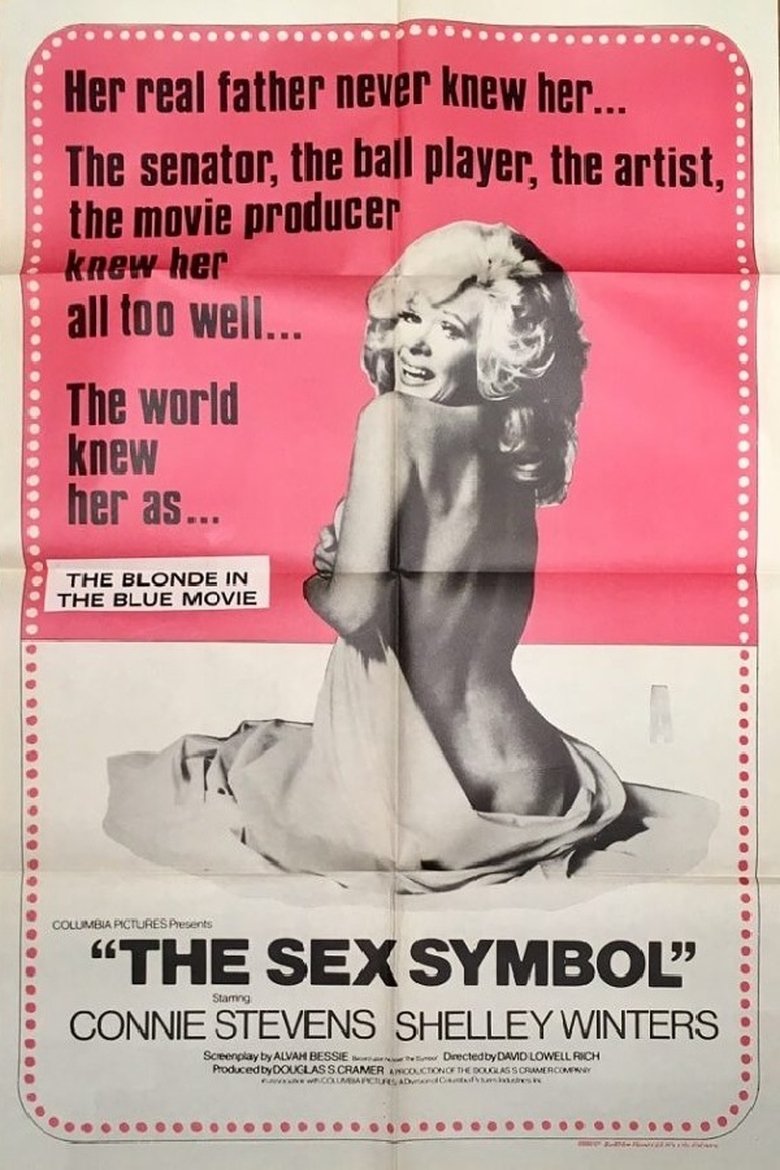
The 1970s redefined how society viewed sex symbols, blending rebellion with mainstream glamour as feminism clashed with sexual liberation. This era saw icons like Farrah Fawcett and Al Pacino transcend entertainment, becoming cultural touchstones whose influence extended far beyond Hollywood. Magazines like Playboy and films like Deep Throat challenged norms, while TV shows like Charlie’s Angels softened the edge with charismatic charm. The decade’s sex symbols were not just celebrities—they were products of a shifting landscape where fame, politics, and personal freedom collided.
From the smoldering gaze of Ryan O’Neal in Love Story to Jane Fonda’s athletic prowess in Barbarella, the 1970s crafted a visual language of allure that still resonates today. Behind the glamour lay controversies, censorship battles, and the monetization of desire—think Farrah’s feathered haircare empire or Burt Reynolds’ action-hero persona. This exploration unpacks how these figures were shaped by the media, their lasting legacies, and why their stories remain relevant in discussions about fame, gender, and pop culture.
The Socio-Cultural Landscape Shaping 1970s Sex Symbols: A Decade of Liberation and Controversy

The 1970s emerged as a transformative era in pop culture, where the boundaries of sexuality, gender, and media representation were deliberately challenged and redefined. This decade witnessed the convergence of feminist movements, the sexual revolution, and rapid advancements in media technology, creating an environment where sex symbols were not merely objects of desire but complex figures embodying societal shifts. The portrayal of these icons in film, television, music, and print media reflected broader cultural tensions—between liberation and exploitation, empowerment and objectification. Understanding this context requires examining the interplay of historical events, evolving gender dynamics, and the role of mass media in shaping public perception.
The 1970s dismantled many traditional norms surrounding sexuality and gender roles, replacing them with a more fluid and often provocative landscape. The sexual revolution, which gained momentum in the 1960s, continued to unfold, fueled by the widespread availability of birth control (notably the birth control pill, approved for contraceptive use in 1960) and the decriminalization of homosexuality in some regions. Simultaneously, second-wave feminism sought to challenge patriarchal structures, leading to debates about female agency, sexual autonomy, and the commercialization of women’s bodies. Media, particularly film and magazines, became battlegrounds for these ideological struggles, where sex symbols were both products and catalysts of cultural change.
Key Historical Events Redefining Sexuality and Media in the 1970s
The 1970s were marked by a series of pivotal moments that reshaped the portrayal of sex symbols, blending liberation with controversy. These events not only influenced how celebrities were perceived but also reflected broader societal attitudes toward sex, power, and gender. A timeline of these developments underscores the decade’s volatility and its lasting impact on pop culture.
The sexual revolution reached its peak in the early 1970s, with the publication of The Joy of Sex (1972) by Alex Comfort, which demystified sexual practices and contributed to a more open discourse. Meanwhile, the release of Deep Throat (1972), the first mainstream pornographic film to achieve widespread commercial success, sparked debates about censorship, female sexuality, and the exploitation of performers. The film’s star, Linda Lovelace, became an unintentional symbol of the era’s contradictions—both celebrated as a sexual pioneer and criticized as a victim of the porn industry’s male-dominated structures.
Table of Contents
- The Socio-Cultural Landscape Shaping 1970s Sex Symbols: A Decade of Liberation and Controversy
- Key Historical Events Redefining Sexuality and Media in the 1970s
- Cultural Reception: A Comparative Analysis of Male and Female Sex Symbols
- Iconic 1970s Sex Symbols: Profiles and Legacy
- Farrah Fawcett: The Feathered Feminine Icon
- Jane Fonda: From Fitness Guru to Political Activist
- Burt Reynolds: The All-American Action Hero with a Rebellious Streak
- Barbara Streisand: The Multihyphenate Powerhouse
- Al Pacino: The Intense Gaze of a Method Actor
- The Role of Film and Television in Defining 1970s Sex Symbols
- Iconic Films and TV Shows That Cemented 1970s Sex Symbols
In 1976, Last Tango in Paris, directed by Bernardo Bertolucci, further pushed boundaries with its explicit portrayal of sexuality and emotional detachment. The film’s controversial scenes, particularly those involving Marlon Brando and Maria Schneider, ignited discussions about artistic expression versus moral decay. These cinematic milestones were complemented by the rise of Playboy magazine, which, under Hugh Hefner’s leadership, transitioned from a niche publication to a mainstream cultural force. Hefner’s promotion of the "Playboy philosophy"—a blend of hedonism, feminism (in theory), and consumerism—reinforced the idea that sexuality could be both liberating and commodified.
Television also played a crucial role in normalizing sex symbols. Shows like Charlie’s Angels (1976–1981) and The Love Boat (1977–1986) featured glamorous, sexually confident women whose appeal lay in their professionalism as well as their physicality. Meanwhile, male sex symbols such as Ryan O’Neal (Love Story, 1970) and Al Pacino (The Godfather, 1972) embodied a new kind of masculine allure—one that balanced ruggedness with vulnerability, reflecting the era’s shifting gender dynamics.
Cultural Reception: A Comparative Analysis of Male and Female Sex Symbols
The reception of male and female sex symbols in the 1970s differed significantly, shaped by gendered double standards and evolving feminist critiques. While both genders were sexualized, women faced greater scrutiny and backlash for challenging traditional roles, whereas male sex symbols were often celebrated for their charisma and perceived authenticity. Below is a comparative table highlighting notable figures, their contributions, and the controversies they sparked.
| Name | Notable Works | Cultural Impact | Controversies or Backlash |
|---|---|---|---|
| Farrah Fawcett |
|
Fawcett became the quintessential "girl next door" turned sex symbol, embodying the era’s blend of innocence and sensuality. Her Charlie’s Angels role redefined female empowerment in pop culture, portraying women as competent professionals with sexual appeal. The Playboy shoot, however, highlighted the tension between feminist progress and commercial exploitation, as she was both celebrated and criticized for participating in a traditionally male-dominated industry. |
Fawcett faced backlash from feminist groups who argued that her image reinforced objectification, despite her advocacy for women’s rights. Her divorce from actor Lee Majors in 1979 was sensationalized, further tying her personal life to public scrutiny. |
| Ryan O’Neal |
|
O’Neal’s role as Oliver Barrett IV in Love Story made him a leading male sex symbol, representing a sensitive, romantic masculinity that contrasted with the tough-guy archetypes of previous decades. His off-screen persona—youthful, rebellious, and media-savvy—further cemented his status as a cultural icon. Unlike female stars, his sexualization was rarely tied to moral judgments; instead, it was framed as part of his charismatic appeal. |
O’Neal’s personal life, particularly his relationships with younger women (including Fawcett, who was 14 years his junior at their marriage), drew criticism from conservatives who viewed such dynamics as exploitative. However, these controversies did not diminish his status as much as they did for female counterparts. |
| Jane Fonda |
|
Fonda’s career straddled the line between sex symbol and political activist. Her roles in Klute and Barbarella showcased a bold, sexually liberated woman who defied traditional femininity. Beyond acting, her advocacy for women’s rights and body positivity (e.g., promoting exercise for health, not just aesthetics) positioned her as a progressive icon. Unlike many of her peers, Fonda’s sexuality was intertwined with her feminist credentials, making her both a target and a symbol of change. |
Fonda’s political activism, including her opposition to the Vietnam War and her marriage to anti-war activist Tom Hayden, led to FBI surveillance and conservative backlash. Her fitness empire was also controversial, as some critics argued it commodified women’s bodies under the guise of empowerment. |
| Mick Jagger |
Farrah Fawcett: The Feathered Feminine IconFarrah Fawcett’s rise to fame in the 1970s was as much about her effortless beauty as it was about her ability to embody the decade’s ideal of feminine mystique—yet with an edge of independence. Cast as Jill Munroe in Charlie’s Angels (1976–1979), she became the face of a new kind of action heroine, one whose style—feathered bangs, white bikinis, and a signature smile—was instantly recognizable. Her personal life, however, was marked by struggles with depression and a turbulent marriage to actor Lee Majors, which she later addressed in her memoir Farrah: My Story. Her signature look, the "Farrah Fawcett haircut," became a cultural phenomenon, inspiring millions of women to mimic her layered, feathered bangs. Beyond television, Fawcett leveraged her fame into a lucrative career in endorsements, including a line of haircare products and collaborations with brands like Fabergé. Her influence extended into fitness and wellness, reflecting the era’s growing emphasis on physical health. > "I was always told I was too pretty to be an actress. But I think that’s what made me so appealing—people wanted to see someone beautiful but also capable." > —Farrah Fawcett, Interview with Rolling Stone (1978) Post-1970s, Fawcett transitioned into activism, advocating for mental health awareness after her battle with depression. Her later years were defined by a more introspective public persona, moving away from the glamorous sex symbol to a figure of resilience and advocacy.Jane Fonda: From Fitness Guru to Political ActivistJane Fonda’s dual roles as a sex symbol and a feminist icon made her one of the most polarizing figures of the 1970s. Known for her athletic physique and confident demeanor, she starred in films like Klute (1971) and Barbarella (1968, though influential in the early '70s), but it was her fitness empire—Jane Fonda’s Workout (1982, but rooted in '70s aerobics trends)—that cemented her legacy as a wellness pioneer. Her sporty chic style, characterized by leotards, leg warmers, and high ponytails, became synonymous with the decade’s fitness craze. Fonda’s personal life was equally transformative. Her marriage to actor Roger Vadim and later activist Tom Hayden, along with her outspoken support for the anti-war movement, positioned her as a political figure. Her involvement in the Vietnam War protests and her 1975 arrest for trespassing at the Pentagon further solidified her as a controversial yet respected activist. > "Feminism isn’t about making women stronger. Women are already strong. It’s about changing the way the world perceives that strength." > —Jane Fonda, The Feminine Mystique (1970s interviews) Post-1970s, Fonda’s career evolved from sex symbol to activist and author, with her memoir My Life So Far (2005) reflecting on her journey. Her fitness empire continued to thrive, though her political activism remained a central part of her identity, proving that her influence extended far beyond the screen.Burt Reynolds: The All-American Action Hero with a Rebellious StreakBurt Reynolds embodied the 1970s male sex symbol—charming, rugged, and effortlessly cool. His roles in films like Deliverance (1972) and Smokey and the Bandit (1977) showcased his ability to balance toughness with charisma, while his signature look—sun-bleached hair, leather jackets, and a perpetual smirk—became iconic. Reynolds’ personal life, however, was marked by a series of high-profile relationships and a reputation for womanizing, which he later addressed in his memoir Still Smokin’ (2012). His commercial ventures included endorsements for brands like Calvin Klein and a brief foray into producing, but it was his action hero persona that dominated the decade. Reynolds’ ability to monetize his image was evident in his collaborations with Cosmopolitan and his role in the G.I. Joe franchise, which capitalized on the era’s fascination with military and adventure themes. > "I’ve always believed that the key to being a great lover is being a great listener. And the key to being a great actor is being a great observer." > —Burt Reynolds, Playboy Interview (1979) Post-1970s, Reynolds’ career saw a shift from leading man to character actor, with roles in films like Boogie Nights (1997) earning him critical acclaim. His later years were defined by a more reflective public persona, though his legacy as a sex symbol remained untouched.Barbara Streisand: The Multihyphenate PowerhouseBarbara Streisand’s dominance in the 1970s was unparalleled, as she redefined what it meant to be a female sex symbol by excelling in film, music, and television. Her roles in Funny Girl (1968, but influential in the early '70s) and The Way We Were (1973) showcased her ability to convey both vulnerability and strength, while her music career—with hits like Evergreen and No More Tears—cemented her as a pop icon. Her signature look, characterized by bold eyes, dramatic lashes, and a sultry voice, became synonymous with the era’s glamour. Streisand’s personal life was marked by her marriage to actor Elliott Gould and her advocacy for LGBTQ+ rights, which she addressed openly in interviews. Her commercial ventures included a line of cosmetics and collaborations with brands like Revlon, though her greatest influence was in entertainment, where she broke barriers as a woman in a male-dominated industry. > "I don’t do anything by halves. If I’m going to do something, I’m going to do it right, and I’m going to do it with everything I’ve got." > —Barbara Streisand, Interview with The New York Times (1977) Post-1970s, Streisand’s career continued to thrive, with films like The Prince of Tides (1991) earning her an Oscar. Her influence extended into producing and activism, proving that her legacy was not confined to the 1970s but evolved with the times.Al Pacino: The Intense Gaze of a Method ActorAl Pacino’s portrayal of complex, emotionally charged characters in the 1970s—particularly his Oscar-winning role as Michael Corleone in The Godfather Part II (1974)—elevated him to the status of a sex symbol, albeit one defined by intensity rather than physicality. His signature look, characterized by a brooding gaze, sharp suits, and a voice that could command silence in a room, became iconic. Pacino’s personal life, however, was marked by struggles with anxiety and a reputation for being reclusive, which he later addressed in his memoir Frank and Fearless (2019). His commercial ventures were limited compared to his peers, but his influence in film was undeniable. Pacino’s ability to transform into his characters—often through method acting—made him a unique figure in Hollywood, where physical attractiveness was typically prioritized over emotional depth. > "The only thing that’s going to change your life is the next action you take. And you have to take it." > —Al Pacino, Interview with The Guardian (2015, reflecting on his career) Post-1970s, Pacino’s career saw a resurgence with films like Scarface (1983) and Scent of a Woman (1992), though his earlier roles in the 1970s remained his most defining. His legacy as a sex symbol was less about glamour and more aboutThe Role of Film and Television in Defining 1970s Sex SymbolsThe 1970s marked a transformative era for visual media, where film and television became powerful tools in shaping cultural perceptions of sexuality, power, and identity. This decade saw the rise of bold, unapologetic portrayals of sex symbols—figures whose on-screen personas transcended mere entertainment to become defining archetypes of an evolving societal landscape. Directors, cinematographers, and actors experimented with narrative and visual techniques to challenge conventions, often pushing the boundaries of censorship while leaving an indelible mark on pop culture. The mediums of film and television, with their distinct storytelling approaches, played a pivotal role in cementing the legacies of icons like Al Pacino, Faye Dunaway, Robert Redford, and Goldie Hawn, among others. Through iconic scenes, provocative cinematography, and genre-defying narratives, these productions did not just reflect the sexual revolution—they actively shaped it. The influence of 1970s media extended beyond entertainment, seeping into fashion, music, and social discourse. Films and TV shows of the era frequently employed sexualized tropes to explore themes of liberation, repression, and the complexities of human desire. Meanwhile, the industry grappled with shifting censorship laws, leading to creative workarounds that either adhered to or defied societal norms. European cinema, in particular, adopted a more explicit and artistic approach compared to Hollywood’s often more coded or comedic treatments of sexuality. This section examines how film and television redefined sex symbols through groundbreaking visual storytelling, analyzing iconic scenes, technical innovations, and the cultural impact of these portrayals.Iconic Films and TV Shows That Cemented 1970s Sex SymbolsThe 1970s produced a diverse array of films and television series that not only entertained but also redefined the boundaries of sexual representation. Below is a categorized list of the top 20 productions that solidified the era’s sex symbols, along with the scenes or moments that became cultural touchstones. These works span exploitation films, mainstream cinema, and television, each contributing uniquely to the decade’s visual and narrative landscape. Mainstream Cinema The mainstream films of the 1970s often blended high art with commercial appeal, using sex symbols to explore deeper themes of power, morality, and human connection. These productions frequently featured actors whose performances became synonymous with the era’s aesthetic and cultural attitudes. |
Leave a Comment
Comments are moderated before appearing. The data you submit is processed according to the Privacy Policy of Amigoskings.