kelly brook nude in playboy 100 free legacy piracy and impact

Kelly Brook’s iconic Playboy era remains one of the most debated chapters in adult entertainment history, blending cultural controversy with digital piracy’s relentless spread. Her 2002 shoot—marking a turning point for Playboy in the post-feminist landscape—sparked global fascination, cementing her as both a symbol of empowerment and a casualty of unchecked digital exploitation. The "100% free" leaks of her content, circulating for decades, expose deeper tensions between artistic legacy, corporate ownership, and the internet’s insatiable appetite for unfiltered access.
The intersection of Brook’s Playboy fame and the piracy phenomenon reveals how digital distribution networks have reshaped industries, eroding revenue models while democratizing access. From early torrent sites to encrypted Telegram channels, her images have become a case study in how unauthorized sharing thrives amid legal gray areas and shifting public ethics. Meanwhile, Brook’s career trajectory—from Playboy pages to mainstream fame—highlights how her early exposure either fueled or complicated her professional evolution, leaving behind a legacy as polarizing as it is enduring.
Kelly Brook’s Playboy Era: A Chronological Exploration of Cultural Influence and Career Evolution

Kelly Brook’s association with Playboy in the early 2000s marked a pivotal chapter in her career, intersecting with broader cultural dialogues about feminism, media representation, and the commodification of female sexuality. Unlike many of her contemporaries, Brook’s tenure with the iconic magazine was not merely a fleeting moment of fame but a strategic maneuver that reshaped her public persona and career trajectory. Her appearances spanned a critical period when Playboy was both a symbol of traditional masculinity and a battleground for evolving gender norms. This section dissects the historical context of her Playboy era, comparing her legacy with other iconic models, and analyzing how her involvement with the magazine catalyzed her transition into mainstream entertainment.
Timeline of Kelly Brook’s Playboy Appearances and Editorial Themes
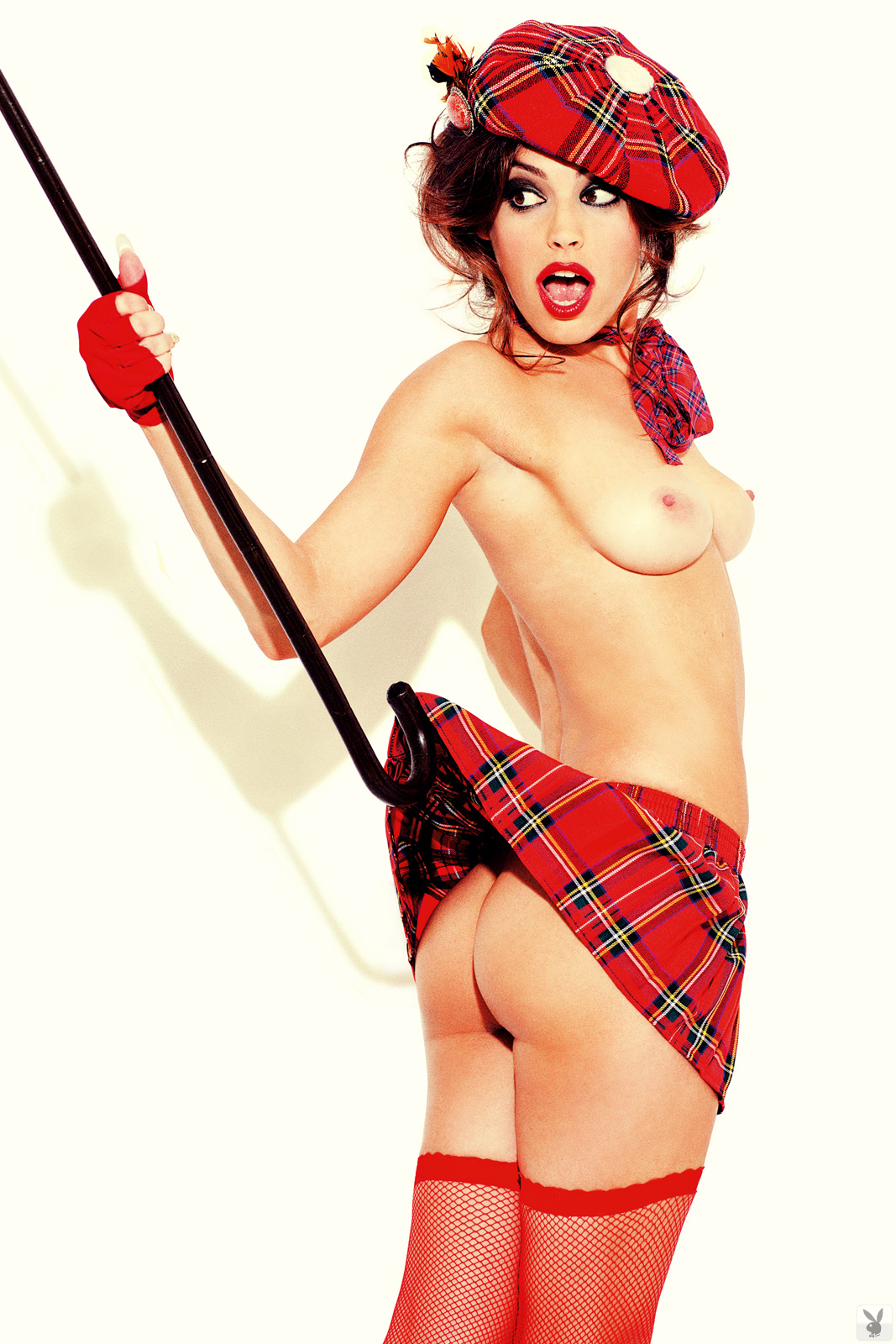
Kelly Brook’s first Playboy appearance in 2001 signaled the beginning of a media phenomenon that would define her early career. Her shoots were meticulously aligned with Playboy’s shifting editorial themes, often reflecting contemporary societal trends. Below is a chronological breakdown of her key appearances, their cultural context, and the thematic elements that distinguished each shoot.
Kelly Brook’s Playboy journey began with her November 2001 issue, where she made her debut as the cover girl. This shoot, photographed by Steven Meisel, was characterized by a blend of glamour and edginess, with Brook portraying a mix of vulnerability and confidence. The editorial theme revolved around urban sophistication, with Brook styled in sleek, modern outfits that contrasted with the magazine’s traditional pin-up aesthetic. This issue coincided with a period of heightened debate about female representation in media, as second-wave feminism’s legacy clashed with the rise of third-wave feminism, which emphasized individuality and sexual agency.
Her March 2002 issue featured Brook in a high-fashion editorial, directed by Mario Testino, which pushed the boundaries of Playboy’s conventional photography. The shoot incorporated avant-garde styling, with Brook dressed in avant-garde designs by Alexander McQueen and Versace, signaling a shift toward high-fashion editorials within the magazine. This issue also included an interview where Brook openly discussed her career ambitions beyond modeling, hinting at her aspirations in television and film. The cultural context of this shoot was marked by the post-9/11 era, where discussions about female empowerment and resilience were prominent in public discourse.
Table of Contents
- Kelly Brook’s Playboy Era: A Chronological Exploration of Cultural Influence and Career Evolution
- Timeline of Kelly Brook’s Playboy Appearances and Editorial Themes
- Comparative Analysis: Kelly Brook’s Playboy Legacy vs. Other Iconic Models
- Controversial Moments and Their Lasting Effects
- Evolution of Playboy ’s Design During Kelly Brook’s Tenure
- Lesser-Known Facts About Kelly Brook’s Playboy Shoots
- The "100% Free" Phenomenon: Piracy, Digital Distribution, and Ethical Debates
- Origins and Spread of "100% Free" Leaks
- Mechanics of Unauthorized Digital Distribution Networks
- Major Piracy Events Linked to Kelly Brook’s Playboy Content
The December 2002 issue marked Brook’s final Playboy spread, titled "The Ultimate Girl Next Door". This shoot, photographed by Peter Lindbergh, adopted a more traditional pin-up style but with a modern twist. Brook was positioned as an everyday woman with a glamorous edge, a theme that resonated with readers during a time when Playboy was increasingly criticized for its outdated portrayal of women. The issue’s cultural significance lay in its attempt to rebrand Playboy as relevant to a new generation, even as the magazine faced declining subscriptions and mounting criticism from feminist groups.
Comparative Analysis: Kelly Brook’s Playboy Legacy vs. Other Iconic Models
Kelly Brook’s Playboy appearances set her apart from other iconic models who graced the magazine’s pages, both in terms of public perception and long-term career impact. Below are three key differences that distinguish her legacy from those of Jennifer Lopez, Pamela Anderson, and Naomi Campbell.
First, career trajectory post-Playboy. While Jennifer Lopez used her Playboy appearance (1999) as a calculated career move to boost her music and film ventures, Brook leveraged her Playboy fame to transition into British television, becoming a household name through shows like The Real Housewives of Cheshire and Celebrity Big Brother. Pamela Anderson, on the other hand, used her Playboy fame (1991) as a springboard into Hollywood stardom, albeit with a more conventional path through film and television. Naomi Campbell, who never appeared in Playboy, maintained a high-fashion career without the magazine’s influence, proving that Playboy was not a prerequisite for global success.
Second, public perception and feminist reception. Lopez’s Playboy appearance was met with mixed reactions, with critics accusing her of selling out to mainstream media expectations. Brook, however, was often praised for her wit and resilience in interviews, positioning herself as a modern, independent woman who used the platform to discuss her ambitions. Anderson’s Playboy shoot was controversial due to her religious background, which led to public backlash and debates about morality in media. Brook’s ability to navigate these debates with humor and confidence set her apart, particularly in the UK, where she was seen as a relatable yet aspirational figure.
Third, cultural impact beyond modeling. Brook’s Playboy era was uniquely tied to British pop culture, where she became a media darling through her appearances on Top of the Pops and Smash Hits magazine. Unlike Lopez or Anderson, who were primarily American stars, Brook’s fame was regionally specific yet globally recognized, allowing her to carve out a niche in both entertainment and reality television. Her ability to reinvent herself post-Playboy—from model to TV personality to businesswoman—demonstrates a flexibility that few other Playboy alumni have matched.
Controversial Moments and Their Lasting Effects
One of the most pivotal moments in Kelly Brook’s Playboy career was her 2002 interview with the magazine, where she famously stated:
"I don’t think I’m a sex symbol. I think I’m a woman who happens to be in Playboy. There’s a difference."
This statement became a cultural touchstone, reflecting the tension between sexualization and female agency during the early 2000s. Immediately, it sparked debates about whether women could reclaim their sexuality without being reduced to objects. Feminist groups like Spice Girls’ Geri Halliwell’s "Girl Power" movement and UK Feminista praised Brook for her nuanced perspective, arguing that she was not merely a victim of the male gaze but an active participant in shaping her public image.
In the long term, Brook’s interview challenged the notion that Playboy models were passive. It also prefigured the rise of third-wave feminism, which emphasized individualism and self-expression. Unlike earlier feminist critiques of Playboy (which often dismissed the magazine entirely), Brook’s approach was more pragmatic, acknowledging the industry’s power while asserting her autonomy. This stance influenced later discussions about female empowerment in media, particularly in the UK, where Brook became a symbol of modern femininity.
Evolution of Playboy’s Design During Kelly Brook’s Tenure
Kelly Brook’s Playboy shoots coincided with a visual evolution in the magazine’s design, reflecting broader shifts in photography, typography, and editorial layout. Below is a description of the design changes that occurred during her tenure, which an illustrator could use to create a visual representation.
Photography Style: - Early 2000s (2001-2002): Shots were dominated by high-fashion collaborations, with directors like Mario Testino and Steven Meisel blending Playboy’s pin-up aesthetic with avant-garde fashion photography. Lighting was often dramatic and high-contrast, with Brook positioned in urban or industrial settings to convey a modern, edgy vibe. - Late 2000s (Post-Brook Era): After her departure, Playboy shifted toward more traditional pin-up styles, with softer lighting and classic poses. However, Brook’s influence persisted in high-fashion editorials, which became more frequent as the magazine attempted to modernize.
Typography and Layout: - Cover Design: Brook’s early covers featured bold, sans-serif fonts with a minimalist approach, often pairing her name with geometric shapes or abstract backgrounds. This contrasted with earlier Playboy covers, which relied on retro, playful typography. - Spread Layouts: Her editorials incorporated asymmetrical layouts, with text and images interwoven in unconventional ways. This mirrored the postmodern design trends of the early 2000s, where fragmentation and eclecticism were key.
Color Palette: - Brook’s shoots often used cool tones (blues, grays, and silvers) to create a modern, sophisticated look. This diverged from Playboy’s traditional warm, retro color schemes (reds, golds, and creams).
Lesser-Known Facts About Kelly Brook’s Playboy Shoots
Behind the glamorous facade of Kelly Brook’s Playboy shoots lay several unexpected challenges and anecd
The "100% Free" Phenomenon: Piracy, Digital Distribution, and Ethical Debates
The proliferation of "100% free" leaks of Kelly Brook’s Playboy content reflects broader shifts in digital consumption, copyright enforcement, and the economics of adult entertainment. Since the early 2000s, unauthorized distribution networks have thrived alongside the decline of physical media, exploiting gaps in legal frameworks to disseminate high-demand material. Kelly Brook’s association with Playboy—particularly her 2002 cover and subsequent appearances—made her a focal point in these debates, illustrating how piracy intersects with celebrity, revenue models, and the evolving role of the internet as both a disruptor and a marketplace. This section examines the mechanics of digital piracy, its cultural and legal repercussions, and the unintended consequences for models and publishers alike.
The rise of piracy in the adult industry predates the mainstream digital revolution but accelerated with the advent of peer-to-peer (P2P) networks like Napster (1999) and BitTorrent (2001). By the mid-2000s, Playboy magazines—once a staple of newsstands and subscription models—became prime targets for digital theft. Kelly Brook’s Playboy content, in particular, gained notoriety due to its high production value, her rising fame, and the magazine’s historical prestige. The shift from physical to digital piracy was not merely a technological evolution but a cultural one, where accessibility trumped traditional gatekeeping. This phenomenon forced publishers, models, and legal systems to adapt, often in reactive rather than proactive ways.
Origins and Spread of "100% Free" Leaks
The digital piracy landscape for Playboy content emerged in tandem with the decline of its print circulation, which peaked in the 1970s and plummeted by the 2000s due to competition from the internet and changing consumer habits. Early leaks of Playboy material appeared on bulletin board systems (BBS) in the 1990s, but the scale and speed of distribution exploded with the rise of file-sharing platforms. By 2002, when Kelly Brook’s Playboy cover and centerfold were published, her images were already circulating in underground forums and early torrent sites. The key catalysts for this spread included:
- The decline of physical media: As Playboy transitioned to digital editions in the late 2000s, physical copies became harder to obtain, increasing the allure of digital leaks. - Celebrity-driven demand: Models like Brook, with growing mainstream recognition, became symbols of exclusivity, driving piracy as fans sought access to "private" content. - Anonymity of the internet: Early torrent sites and forums operated with minimal legal oversight, allowing users to upload and download content without immediate consequences. - The adult industry’s slow adaptation: Unlike music or film industries, which aggressively pursued piracy lawsuits, Playboy and its peers initially adopted a more passive stance, focusing on subscription models rather than litigation.
The term "100% free" became a marketing tactic within piracy circles, emphasizing the absence of financial barriers while implicitly critiquing the commercialization of adult content. This rhetoric resonated with audiences who viewed Playboy as a relic of outdated monetization strategies, particularly as the magazine’s ownership changed hands multiple times (including its bankruptcy in 2015). The leaks of Brook’s content were not isolated incidents but part of a larger pattern where high-profile Playboy issues—such as those featuring Jennifer Aniston (2001) or Pamela Anderson (1991)—were repeatedly targeted.
Mechanics of Unauthorized Digital Distribution Networks
Unauthorized distribution of Kelly Brook’s Playboy content follows a structured yet decentralized pipeline, leveraging the anonymity and scalability of the internet. Below is a step-by-step breakdown of how these networks operate, using her case as a case study:
1. Source Acquisition Leakers obtain content through multiple avenues: - Physical copies: Scanned or photographed from libraries, collectors, or discarded issues. - Internal leaks: Employees or vendors with access to pre-publication digital files (e.g., PDFs, high-resolution scans). - Hacked databases: Servers or cloud storage linked to Playboy’s digital archives or third-party distributors. - Social engineering: Tricking contributors or models into sharing personal copies under false pretenses (e.g., "exclusive fan access").
2. Processing and Hosting Once acquired, content undergoes processing to optimize distribution: - Image enhancement: Increasing resolution, removing watermarks, or restoring degraded scans. - Formatting: Converting files into universally accessible formats (e.g., PDF, JPEG, or torrent-friendly .rar archives). - Hosting selection: Uploading to platforms with minimal takedown risks, such as: - Torrent sites: Decentralized networks like The Pirate Bay or specialized adult-focused trackers. - File-hosting services: Temporary uploads to Google Drive, Dropbox, or Mega, often linked via URL shorteners. - Forums: Dedicated adult piracy communities (e.g., Reddit’s r/PlayboyLeaks, now defunct) or encrypted channels like Telegram.
3. Propagation Content spreads through: - Seeders and leechers: Users who upload (seed) or download (leech) files, maintaining the torrent’s availability. - Social media amplification: Shares on Twitter, Reddit, or 4chan, often with hashtags like #KellyBrookPlayboy or #PlayboyLeaks. - Paid distribution: Some sites offer "premium" access for a fee, circumventing free distribution but still operating illegally. - Mirror sites: Redundant copies hosted across multiple domains to evade takedowns.
4. Evasion of Detection Operators employ tactics to prolong content availability: - Domain hopping: Frequently changing URLs or using domain generation algorithms. - Geoblocking: Restricting access to specific regions where legal action is less likely. - Encryption: Hosting files in password-protected archives or requiring CAPTCHAs to slow down automated takedowns. - Distributed hosting: Splitting files across multiple servers to prevent single-point failures.
The lifecycle of a leaked Playboy issue—from original publication to digital resurfacing—often spans decades. For example, Brook’s 2002 issue resurfaced in high-resolution scans as late as 2020, demonstrating how piracy extends the shelf life of content beyond its commercial relevance.
Major Piracy Events Linked to Kelly Brook’s Playboy Content
The following table documents key piracy events tied to her Playboy material, highlighting the platforms involved and estimated traffic based on historical data from piracy monitoring tools (e.g., TorrentFreak, SimilarWeb) and industry reports. Traffic estimates are approximate due to the clandestine nature of these sites.
| Year | Platform | Leaked Content | Estimated Traffic (Monthly Unique Visitors) |
|---|---|---|---|
| 2002 | Early P2P networks (eMule, KaZaA) | Kelly Brook’s Playboy cover and centerfold (February 2002 issue) | 50,000–100,000 (global, across multiple trackers) |
| 2005 | Torrent sites (e.g., Mininova, IsoHunt) | High-resolution scans of Brook’s photoshoot, including behind-the-scenes images | 150,000–250,000 (peaking during Playboy’s digital transition) |
| 2010 | File-hosting forums (e.g., RapidShare, Megaupload) | Compilation of Brook’s Playboy content with additional adult material | 80,000–120,000 (declining post-Megaupload shutdown) |
| 2015 | Telegram channels and private forums | Lossless PDF of the February 2002 issue, shared in encrypted groups | 30,000–50,000 (niche but persistent audience) |
| 2018 | The Pirate Bay (TPB
Kelly Brook’s Playboy legacy is a microcosm of the broader struggles faced by models, publishers, and digital platforms in an age where content ownership collides with unfettered access. While piracy has turned her iconic shoots into viral artifacts, stripping them of their original context, it has also forced a reckoning with how society consumes—and commodifies—female imagery. The debate over "100% free" leaks ultimately circles back to a fundamental question: Can art, even in its most commercialized form, ever truly belong to the public without consequence? Brook’s story, from the glossy pages of Playboy to the shadowy corners of the internet, remains a testament to the enduring power—and peril—of unregulated digital culture. |
Leave a Comment
Comments are moderated before appearing. The data you submit is processed according to the Privacy Policy of Amigoskings.