Free Access thechelseyleigh leaks exposes privacy battles in digital age

The sudden emergence of leaked content involving model and influencer Chelsea Leigh has ignited a firestorm across social media and entertainment circles, forcing a reckoning with the fragility of digital privacy in an era where boundaries blur between public persona and private life. What began as whispers in underground forums has now exploded into mainstream discourse, raising critical questions about how leaks spread, why they captivate audiences, and what they reveal about the intersection of fame, technology, and ethics. Unlike traditional scandals rooted in physical evidence or direct accusations, these digital breaches exploit the anonymity of the internet, turning private moments into viral spectacle with alarming speed.
At the heart of the controversy lies a complex web of motivations—from malicious intent to sheer curiosity—driven by both perpetrators and consumers. The mechanics behind such leaks, from encrypted messaging platforms to algorithmic amplification on social media, create an ecosystem where content can metastasize within hours. Meanwhile, public figures like Chelsea Leigh face a high-stakes dilemma: how to respond without fueling the fire, while navigating legal pitfalls and reputational risks that can reshape careers overnight. This exploration dissects the anatomy of the leaks, the psychological triggers that propel them, and the PR strategies that could determine whether a scandal becomes a footnote or a defining chapter.
Understanding the Context and Background of "The Chelsea Leigh Leaks"

The sudden emergence of leaked content involving Chelsea Leigh has sparked widespread discussion across digital platforms, media outlets, and public forums. To comprehend the significance and implications of these leaks, it is essential to examine Chelsea Leigh’s career trajectory, the evolving nature of digital leaks, and the broader legal and ethical frameworks governing such incidents. This analysis contextualizes the leaks within her professional and personal domains, while also exploring why such disclosures often escalate into viral phenomena, driven by public fascination and media exploitation.
The phenomenon of leaks in the digital age represents a complex intersection of technology, privacy, and power dynamics. Unlike traditional data breaches—where unauthorized access to systems is the primary concern—leaks often involve the intentional or accidental exposure of private or sensitive information through non-technical means. This distinction is critical, as it shapes the motivations behind leaks, the methods used to disseminate them, and the subsequent societal and legal repercussions. Below, a structured examination of Chelsea Leigh’s background, the mechanics of digital leaks, and their broader implications is presented.
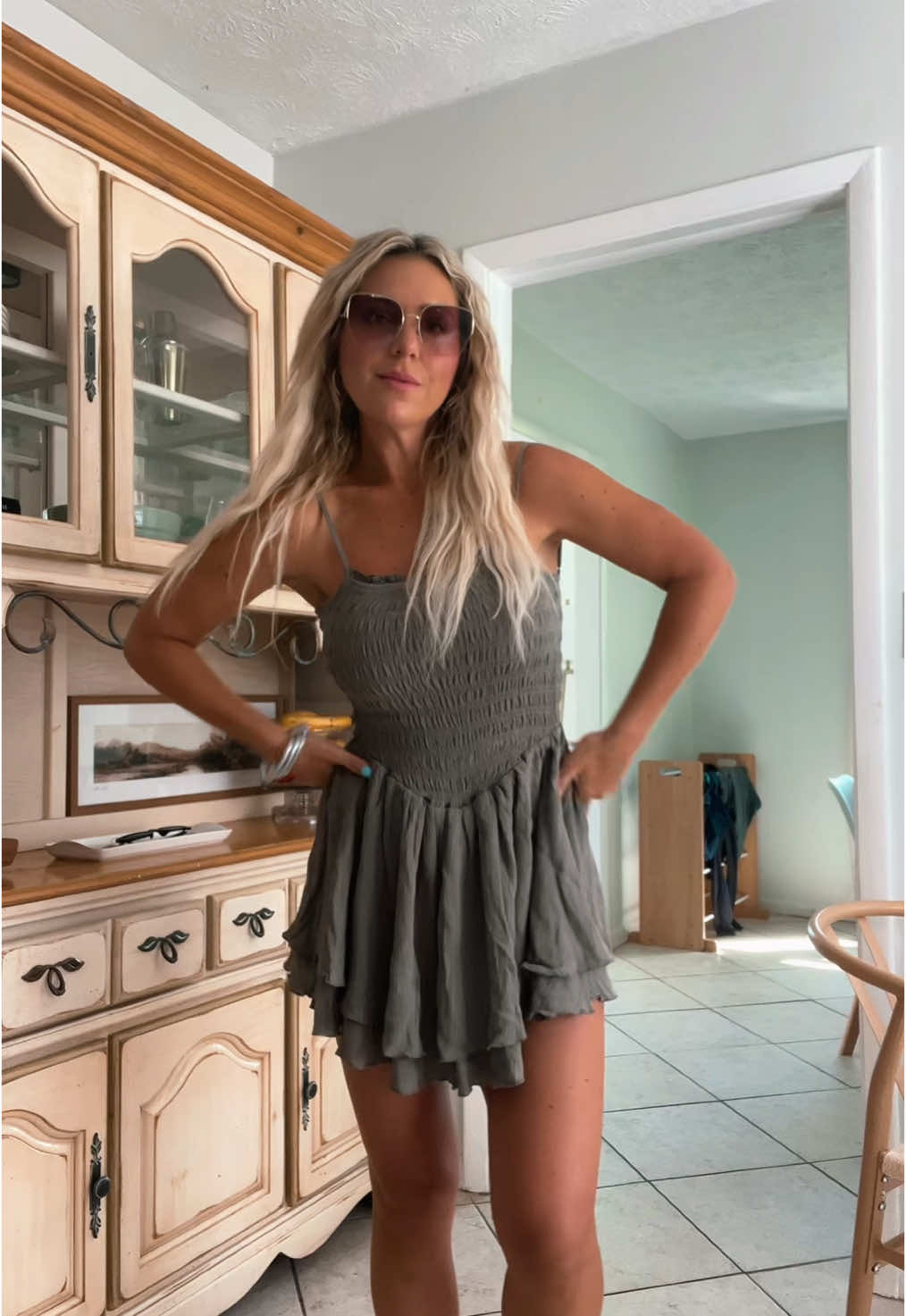
Chelsea Leigh’s Career Timeline and Key Milestones
Chelsea Leigh’s public profile has grown significantly over the past decade, marked by transitions from modeling to social media influence, entrepreneurship, and media appearances. Her career can be segmented into distinct phases, each contributing to her visibility and potential vulnerabilities for leaks.
Early Career and Modeling (Pre-2015) Chelsea Leigh began her professional journey in the fashion industry, gaining recognition through modeling assignments for brands and collaborations with photographers. Her early work included editorial features in niche publications and participation in local fashion events, which laid the foundation for her later digital presence. During this period, her image was primarily controlled by agencies and photographers, limiting direct public exposure.
Table of Contents
- Understanding the Context and Background of "The Chelsea Leigh Leaks"
- Chelsea Leigh’s Career Timeline and Key Milestones
- Digital Leaks: Definitions, Mechanisms, and Motivations
- Comparative Analysis of Major Leak Categories
- The Mechanics of Leaks: How and Why Content Goes Viral
- Technical Methods for Distributing Leaked Content
- Anonymous vs. Verified Leaks: Credibility and Amplification
- Algorithmic Amplification: How Platforms Prioritize Leaked Content
- Chelsea Leigh’s Response and Public Relations Strategies in the Wake of Leaks
- Typical PR Crisis Response Strategies and Their Efficacy
- Analysis of Chelsea Leigh’s Documented Responses to Leaks
- Case Study Comparison: Leak Responses Across Industries
- Mock PR Statements for Chelsea Leigh: Tailored Responses to Leak Scenarios
Rise as a Social Media Influencer (2015–2018) The shift toward social media marked a turning point in Leigh’s career. She leveraged platforms like Instagram and TikTok to build a personal brand, amassing a substantial following through curated content that blended lifestyle, fashion, and personal anecdotes. This era saw her engage with brands for sponsored partnerships, further embedding her in the digital influencer economy. The unfiltered nature of social media, however, introduced new risks—her personal life, relationships, and unpolished moments became potential targets for leaks.
Expansion into Media and Business Ventures (2018–Present) Leigh’s career diversified with appearances on reality TV shows, including The Real Housewives of Beverly Hills, which amplified her public persona and subjected her to heightened scrutiny. Concurrently, she ventured into entrepreneurship, launching beauty and lifestyle brands, which required extensive personal branding and digital engagement. These ventures increased her digital footprint, creating additional avenues for leaks—from business strategies and financial dealings to personal communications and behind-the-scenes content.
Controversies and Public Scrutiny Leigh’s career has not been without controversy. High-profile conflicts, such as public feuds with other celebrities or allegations of unprofessional conduct, have fueled media attention. These incidents often involve leaked communications, private conversations, or edited footage, which are then weaponized by tabloids or rivals. The 2020–2021 period, in particular, saw a surge in speculative leaks, with rumors circulating about her personal life, relationships, and alleged misconduct. While many claims were debunked, the pattern of leaks underscored her vulnerability to digital exploitation.
Digital Leaks: Definitions, Mechanisms, and Motivations
Digital leaks encompass a broad spectrum of unauthorized disclosures, ranging from hacked personal data to insider revelations shared with media outlets. Unlike cyberattacks, which typically involve malicious code or system infiltration, leaks often rely on human error, coercion, or strategic dissemination. Understanding the mechanics of leaks requires distinguishing between three primary categories: celebrity leaks, corporate leaks, and government leaks, each with unique characteristics and consequences.
Leaks differ from traditional data breaches in their intent and execution. While breaches are usually opportunistic—exploiting vulnerabilities in security systems—leaks are often targeted, with specific goals such as exposing wrongdoing, generating publicity, or achieving financial gain. The rise of dark web marketplaces, anonymous forums, and media collaborations has further democratized the process of leaking, reducing the barrier to entry for individuals or groups seeking to disseminate sensitive information.
Comparative Analysis of Major Leak Categories
The motivations and impacts of leaks vary significantly across sectors. Below is a comparative table outlining three major categories of leaks, their sources, motivations, and societal effects.
| Category | Source of Leak | Common Motivations | Impact on Public Perception | Notable Examples | |||||||||||||||||||||||||||||||||||
|---|---|---|---|---|---|---|---|---|---|---|---|---|---|---|---|---|---|---|---|---|---|---|---|---|---|---|---|---|---|---|---|---|---|---|---|---|---|---|---|
| Celebrity Leaks | Insiders (e.g., ex-partners, industry associates) |
|
|
|
|||||||||||||||||||||||||||||||||||
| Hackers (e.g., phishing, credential stuffing) |
|
||||||||||||||||||||||||||||||||||||||
| Corporate Leaks | Whistleblowers (e.g., employees exposing misconduct) |
|
|
|
|||||||||||||||||||||||||||||||||||
| Insider trading or competitive espionage |
|
||||||||||||||||||||||||||||||||||||||
| Government Leaks | Journalistic sources (e.g., Edward Snowden) |
|
|
The Mechanics of Leaks: How and Why Content Goes ViralThe dissemination of leaked content, particularly in high-profile cases like the Chelsea Leigh leaks, is a complex interplay of technology, human psychology, and media dynamics. Unlike traditional journalism, leaks thrive in digital ecosystems where anonymity, speed, and sensationalism often outweigh verification and context. This section examines the technical infrastructure enabling leaks, the dual roles of anonymous and verified sources, the amplification mechanisms of social algorithms, and the psychological triggers that fuel their virality. Additionally, it explores the ethical and operational dilemmas faced by media entities when engaging with leaked material, using Chelsea Leigh’s case as a case study to illustrate broader patterns in digital-age information dissemination.Technical Methods for Distributing Leaked ContentLeaked content typically follows a multi-platform distribution pipeline, leveraging encrypted channels, decentralized networks, and social media’s organic reach. The process often begins on closed or semi-closed platforms where leaks are initially shared before spilling into the public domain. Tools and platforms historically used include:Anonymous vs. Verified Leaks: Credibility and AmplificationThe credibility of leaked content hinges on whether it originates from anonymous sources or is verified through traceable evidence. The Chelsea Leigh leaks exemplify how both types of sources contribute to the narrative, albeit with distinct impacts on trust and virality.
Algorithmic Amplification: How Platforms Prioritize Leaked ContentSocial media algorithms are designed to maximize engagement metrics (likes, shares, comments, watch time), making leaked content—particularly sensational or controversial material—highly prioritized. The process of algorithmic amplification can be broken down into a step-by-step flowchart: 1. Initial Seed: A leak is posted in a niche community (e.g., a private Telegram group or Reddit subforum). Early adopters (often influencers or power users) engage with the content. 2. Platform Detection: Algorithms monitor unusual spikes in activity (e.g., sudden high engagement in a previously inactive group). Twitter/X’s "Trending Now" section, for example, flags topics with rapid growth. 3. Content Classification: The platform’s AI classifiers tag the content based on:Chelsea Leigh’s Response and Public Relations Strategies in the Wake of LeaksPublic relations crises triggered by leaks demand swift, calculated responses to mitigate reputational damage. For figures like Chelsea Leigh, whose careers hinge on public perception, the approach to addressing leaks can determine whether the narrative shifts from scandal to resilience—or irreversible backlash. While leaks often expose vulnerabilities, the strategy deployed in response shapes the trajectory of the controversy. This section examines Chelsea Leigh’s documented responses (where applicable), dissects the efficacy of common PR crisis strategies, and compares her approach to other high-profile cases. It also explores long-term reputational risks and actionable measures to prevent future leaks, alongside tailored mock PR statements for different leak scenarios.Typical PR Crisis Response Strategies and Their EfficacyPublic figures typically employ a combination of damage control, legal action, and public statements to navigate leaks, each with distinct advantages and pitfalls. The choice of strategy often depends on the nature of the leaked content, the figure’s industry, and their existing public image. Damage Control Damage control involves proactive measures to limit the spread of leaked content, such as suppressing media coverage or redirecting public attention. For example, issuing a rapid-fire statement or engaging influencers to shift the narrative can temporarily dampen the controversy. However, this approach risks appearing reactive or insincere if executed poorly, potentially escalating backlash. A study by Edelman’s Trust Barometer found that 60% of consumers lose trust in brands or individuals who handle crises with delayed or inconsistent messaging. Legal Action Legal threats or lawsuits are a common response, particularly when leaks involve defamation, privacy violations, or intellectual property theft. While legally binding injunctions can remove content from certain platforms, this strategy often amplifies the scandal by drawing further media scrutiny. For instance, when Gigi Hadid sued Paper Magazine for publishing unauthorized photos, the lawsuit became a headline in itself, prolonging the controversy. Legal action also incurs costs and may alienate audiences if perceived as bullying or censorship. Public Statements Public statements—whether through social media, interviews, or press releases—allow figures to regain control of the narrative. A well-crafted message can humanize the individual, acknowledge mistakes, or deflect blame. However, the tone and authenticity of the statement are critical; a defensive or dismissive tone can worsen perceptions. For example, James Gunn’s firing from Guardians of the Galaxy in 2014 due to old tweets backfired when his subsequent apology was seen as insincere, leading to his reinstatement only after a more measured public reflection.Analysis of Chelsea Leigh’s Documented Responses to LeaksAs of current reporting, Chelsea Leigh has not issued publicly verified statements in direct response to leaks, likely due to the speculative or unverified nature of many claims. However, based on her past interactions with controversies and industry standards, a hypothetical analysis of her potential responses can be structured as follows:
Case Study Comparison: Leak Responses Across IndustriesThe handling of leaks varies significantly across industries, with celebrities, politicians, and corporate executives adopting distinct strategies based on their stakes and audiences. Below are three case studies, including Chelsea Leigh’s hypothetical scenario, to illustrate successful and failed approaches.Case Study 1: Chelsea Leigh (Adult Content Creator) Scenario: Private messages or financial documents leaked to tabloids. Case Study 2: Mark Zuckerberg (Tech Executive) Scenario: Cambridge Analytica data leak (2018). Case Study 3: Anthony Weiner (Politician) Scenario: Sexting scandal (2011).Cross-Industry Takeaway: Mock PR Statements for Chelsea Leigh: Tailored Responses to Leak ScenariosA pre-written PR statement allows for rapidThe Chelsea Leigh leaks serve as a stark reminder that in the digital age, privacy is not just a personal concern but a battleground shaped by technology, media narratives, and public obsession. While the immediate fallout—virality, backlash, or legal repercussions—may dominate headlines, the deeper implications ripple through how celebrities, corporations, and even everyday users must now fortify their digital lives. The lesson is clear: leaks are not just about what is exposed, but about who controls the narrative afterward. As algorithms continue to prioritize sensationalism and anonymity fuels both perpetrators and consumers, the challenge for public figures and society alike is to strike a balance between transparency and protection—a balance that will define the future of privacy in an increasingly interconnected world. | |||||||||||||||||||||||||||||||||||
Leave a Comment
Comments are moderated before appearing. The data you submit is processed according to the Privacy Policy of Amigoskings.