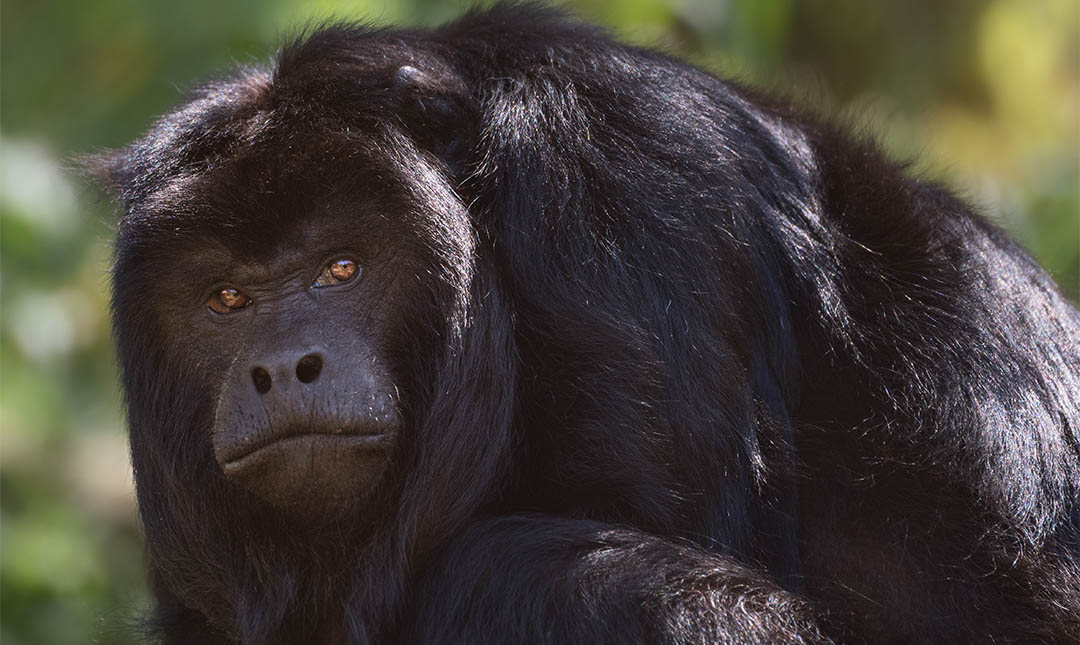
Indigenous communities residing between the Tshuapa, Lomami, and Lualaba rivers have known about the primate for generations. Locals refer to it alternately as the "Likweli" or the "branch shaker," named for the alpha males' habit of leaping onto flexible boughs and thrashing them to intimidate rival bands and ground predators. For decades, outsiders dismissed these descriptions as casual sightings of standard black colobus monkeys or known guenons common to Central Africa.
The dense geography of the central Congo Basin provided natural camouflage. The region's intricate maze of blackwater tributaries and flooded swamps creates geographic islands known as interfluvial zones. These aquatic barriers isolate mammalian gene pools over hundreds of thousands of years. Early field notes recorded by local conservation rangers hinted that the heavy black primates perched along the upper Lomami basin showed behavioral patterns and vocal calls starkly different from those of standard Colobus satanas or western varieties.

