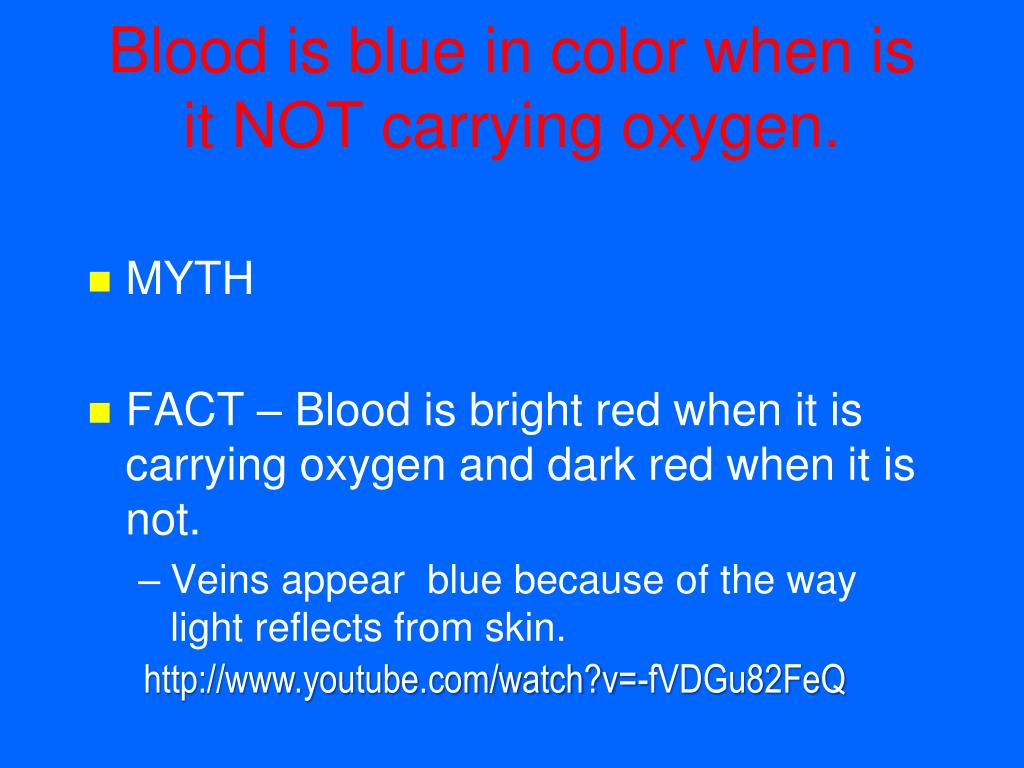
Q1: Why do medical charts continue to print veins in blue if it is inaccurate?
A1: Medical charts use blue strictly for functional clarity. Labeling veins in blue and arteries in red allows students and clinicians to trace counter-current vascular pathways instantly without confusing vessels that run millimeters apart.
Q2: Does blood turn red the millisecond it hits oxygen in the room?
A2: No. Venous blood is already dark crimson inside the vessel before any exposure occurs. While room oxygen will slowly brighten drawn blood over several minutes, the fluid emerges from the body red, not blue.
Q3: Why do veins on very pale skin look greener or darker than veins on darker skin?
A3: Melanin absorbs light broadly across all wavelengths. In darker skin tones, higher epidermal melanin absorbs blue scatter, muting the illusion. In lighter or olive skin, subcutaneous fat adds yellow undertones; when yellow light mixes with scattered blue light, veins often look green.

