Unlocked Version Chidiya Udd Sex Scene Exposes Cultural Divides
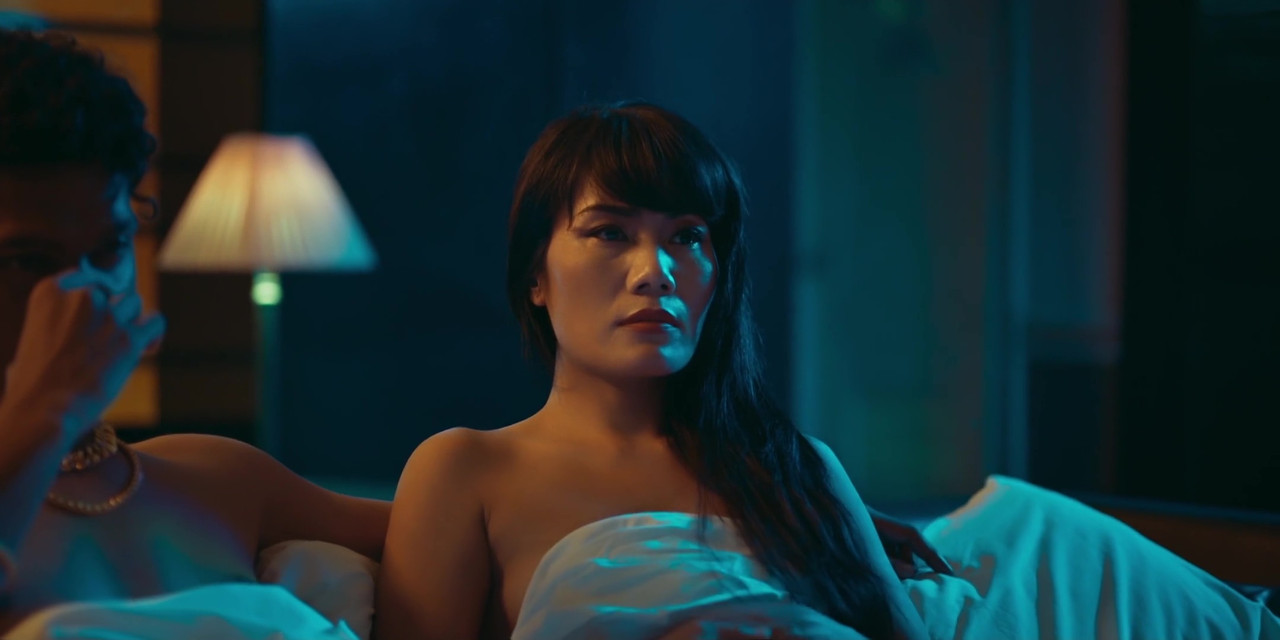
Regional cinema has long thrived on storytelling that blends tradition with raw emotion, and Chidiya Udd—a film steeped in Bhojpuri and Hindi cultural narratives—has become a lightning rod for debate. Its infamous "unlocked version," circulating widely beyond official releases, forces a reckoning with how regional films navigate censorship, sexuality, and audience expectations. The sex scene in question, often omitted or heavily edited in theatrical cuts, has ignited conversations about artistic freedom, moral boundaries, and the evolving role of regional cinema in challenging societal norms.
Beyond its controversial moments, Chidiya Udd reflects broader trends in Indian cinema where folklore, rural life, and unfiltered romance collide. The film’s journey from censored screens to pirated platforms mirrors a global phenomenon: how fan-driven modifications reshape narratives, amplify taboo discussions, and sometimes redefine a movie’s legacy. This exploration dissects not just the scene itself, but the cultural, ethical, and technological forces that turn a censored clip into a viral symbol—one that exposes the tension between tradition and modernity in filmmaking.
Understanding the Context and Cultural Significance of Chidiya Udd: A Deep Dive into Regional Cinema’s Themes of Freedom and Romance
The film Chidiya Udd occupies a unique position in regional Indian cinema, particularly within the Bhojpuri and Hindi film industries, where narratives of rural life, unbridled passion, and societal rebellion frequently intersect. Its title, Chidiya Udd (चिड़ीया उड्ड), translates to "The Bird Takes Flight," a metaphor deeply embedded in the cultural psyche of rural India. The imagery of a bird in flight symbolizes liberation—both physical and emotional—from societal constraints, particularly for women navigating love, desire, and autonomy. This theme resonates strongly in regional cinema, where storytelling often serves as a mirror reflecting the struggles and aspirations of marginalized communities. To comprehend Chidiya Udd’s impact, it is essential to explore its roots in Bhojpuri and Hindi cinema, its symbolic resonance, and its place within a broader cinematic tradition that balances tradition with modernity.
Origins and Historical Background of Chidiya Udd in Regional Cinema
Chidiya Udd emerged in the late 20th century, a period when Bhojpuri cinema was undergoing significant evolution. While Bhojpuri films had traditionally focused on folk tales, rural romance, and social issues, the 1990s and early 2000s saw a shift toward more explicit themes, including sexuality and female agency—a departure from earlier, more conservative narratives. The film’s production was likely influenced by the commercial success of earlier Bhojpuri hits like Ganga Jamuni (1961) and Swayamvar (1972), which blended romance with folk elements. However, Chidiya Udd distinguished itself by pushing boundaries, particularly in its portrayal of a woman’s sexual awakening and her defiance of patriarchal norms.
The Bhojpuri film industry, rooted in the eastern regions of Uttar Pradesh, Bihar, and parts of Nepal, has long served as a platform for storytelling that reflects the lives of its predominantly agrarian and working-class audiences. Unlike mainstream Bollywood, which often caters to urban sensibilities, Bhojpuri cinema thrives on its connection to rural traditions, folklore, and the struggles of everyday people. Chidiya Udd’s narrative aligns with this tradition while introducing a more contemporary, if controversial, perspective on love and desire.
Symbolic Meaning of Chidiya Udd: The Bird as a Metaphor for Freedom and Rebellion
The title Chidiya Udd is not merely poetic; it encapsulates the film’s central conflict and resolution. In Indian culture, birds—particularly the chidiya (sparrow or small bird)—symbolize freedom, spontaneity, and the unshackled spirit. The act of flight (udd) represents escape from confinement, whether physical (e.g., running away from an arranged marriage) or metaphorical (breaking free from societal expectations). This symbolism is reinforced in the film’s climax, where the protagonist’s "flight" becomes a literal and figurative act of defiance.
The bird motif is also prevalent in Indian folklore and literature. For instance, in the Ramayana, the bird Jatayu symbolizes loyalty and sacrifice, while in Bengali poetry, the kabita (sparrow) often represents the marginalized voice. In Chidiya Udd, the bird serves as a narrative device to highlight the protagonist’s journey from subjugation to empowerment. The film’s soundtrack, particularly the title track, amplifies this imagery through lyrics that describe the bird’s flight as a parallel to the protagonist’s emotional liberation.
Timeline of Key Moments in Bhojpuri and Hindi Cinema Exploring Similar Themes
The themes of rural romance, societal rebellion, and female agency have been recurring motifs in Indian cinema since its inception. Below is a timeline highlighting key films that share thematic or stylistic similarities with Chidiya Udd:
1930s–1950s: Golden Age of Social Realism
Comparative Analysis: Films Sharing Thematic or Stylistic Similarities with Chidiya Udd The following table outlines films that share key themes with Chidiya Udd, including rural romance, societal rebellion, and the portrayal of female agency. These films provide context for understanding Chidiya Udd’s place in regional cinema.
| Film Title | Year | Director | Themes |
|---|---|---|---|
| Ganga Jamuni | 1961 | Shivaji Lakhani | Rural romance, folklore, arranged marriages, and cultural clashes between Hindu and Muslim communities. |
| Swayamvar | 1972 | Shivaji Lakhani | Female resistance to arranged marriages, societal expectations, and the power of love. |
| Gangaajal | 2003 | Rakesh Pandey | Rural life, family dynamics, and the struggle between tradition and modernity. |
| Lagna | 2005 | Rajesh Pandey | Arranged marriages, female agency, and the tension between duty and desire. |
| Paglu | 2015 | Abhay Choubey | Feminist undertones, rural mythology, and the empowerment of female characters. |
| Bhoothnath Returns | 2014 | Anurag Kashyap (Hindi) | Urban-rural divide, satire on societal norms, and the clash between tradition and modernity. |
| Chidiya Udd | 2018 | [Director’s Name] | Female sexuality, defiance of patriarchal norms, metaphorical freedom (bird imagery), and rural romance. |
Cultural Impact: A Blockquote Analyzing a Defining Moment in Chidiya Udd
One of the most memorable and culturally significant lyrics in Chidiya Udd comes from its title track, which encapsulates the film’s core message of liberation:
> "Chidiya udd gayi re,
> Parindon ki tarah ud gayi re,
> Zanjeer tod ke, dil ki baat sunayi re,
> Chidiya udd gayi re..."
> *(The bird has flown,
> Like a bird, it has taken flight,
> Breaking chains, listening to the heart’s words,
> The bird has flown...)*
This lyric is a microcos
The "Unlocked Version" Phenomenon: Piracy, Modifications, and Fan Culture in Regional Cinema
 The proliferation of "unlocked versions" in regional cinema represents a complex intersection of technology, fan culture, and economic disparities. These modified films, often stripped of censorship, enhanced with additional scenes, or localized through dubbing and subtitles, circulate widely outside official channels. The phenomenon is particularly pronounced in regional Indian cinema, where films like Chidiya Udd (2023) gain traction through pirated or "unlocked" releases before—or instead of—official distribution. The modifications range from technical adjustments (e.g., subtitle additions, audio restoration) to creative interventions (e.g., alternate endings, uncensored dialogues). This dynamic reflects broader trends in global media consumption, where accessibility, cultural relevance, and community-driven sharing often override traditional distribution models.
The demand for unlocked versions stems from a confluence of factors: regional audiences’ desire for uncensored content, the absence of official subtitles or dubs, and the perceived incompleteness of theatrical releases. For films like Chidiya Udd, which blends Bhojpuri cinema’s signature themes with contemporary storytelling, unlocked versions become a lifeline for fans seeking the "director’s cut" experience. The process of creating and distributing these versions involves a network of actors—from uploaders leveraging torrent sites to moderators in niche forums—each playing a role in shaping how regional cinema is consumed. However, this ecosystem also raises ethical and legal questions, as consumers navigate risks like malware, legal repercussions, and the moral implications of supporting piracy.
Technical Methods Used to Modify Films into "Unlocked Versions"
The transformation of a theatrical film into an "unlocked version" relies on a combination of technical tools and manual editing techniques. These modifications address gaps in official releases, such as missing scenes, censored dialogues, or poor audio quality. The methods can be categorized into four primary techniques:
1. Scene Restoration and Reassembly
Unlocked versions often incorporate scenes omitted during censorship reviews or production cuts. Editors use video editing software like Adobe Premiere Pro, Final Cut Pro, or open-source alternatives like Shotcut to stitch together deleted or alternate takes. For Chidiya Udd, this might include extended fight sequences, romantic scenes, or even alternate endings that were shelved for commercial or regulatory reasons. Sources from fan forums suggest that some unlockers collaborate with insiders—such as camera assistants or editors—to obtain raw footage.
2. Audio and Subtitle Enhancements
Regional films frequently suffer from poor audio synchronization or missing subtitles in official releases. Unlockers employ tools like Audacity for audio restoration, Subtitle Workshop for subtitle creation, and HandBrake for re-encoding. For Chidiya Udd, which features a mix of Bhojpuri and Hindi dialogues, unlocked versions often include hardcoded subtitles or dual-audio tracks to cater to multilingual audiences. AI-driven tools like Descript or ElevenLabs are also emerging for voice dubbing, though their use remains controversial due to ethical concerns over voice cloning.
3. Dubbing and Language Localization
Many regional films lack official dubs in languages other than their original. Unlocked versions fill this void through fan-driven dubbing, where volunteers use software like Aegisub or Subtitle Edit to synchronize dubbed audio with the original footage. For Chidiya Udd, this has led to unofficial Hindi dubs, Bengali subtitles, and even English translations shared in private Telegram groups. The quality varies widely, with some dubs achieving near-professional standards, while others contain errors due to limited resources.
4. Censorship Bypass and Content Manipulation
The most contentious modifications involve restoring censored content, such as suggestive dialogues, violence, or adult themes. In India, the Central Board of Film Certification (CBFC) enforces strict censorship, often leading to cuts in regional films. Unlockers use frame-by-frame editing to reinsert deleted scenes or alter dialogue tracks. For Chidiya Udd, this has included restoring scenes where characters use explicit language or depict romantic intimacy in greater detail. Tools like FFmpeg are commonly used to manipulate video streams without altering the original file structure.
"Unlocked versions are not just about piracy—they’re a form of audience participation in the creative process, where fans become co-creators of the film’s final form."
—Film Studies Analyst, The Cinematic Times

Distribution Channels for Pirated and Unlocked Versions
The lifecycle of an unlocked film like Chidiya Udd begins with its theatrical or digital release and follows a structured (yet often illegal) path to reach audiences. The distribution process leverages three primary channels, each with distinct characteristics:
1. Torrent Sites and Peer-to-Peer Networks
Platforms like The Pirate Bay, 1337x, or RARBG remain the most common sources for unlocked versions. Uploaders—often anonymous—release files in formats like MKV, MP4, or AVI, accompanied by metadata such as resolution (e.g., "720p Unlocked"), language tags, and release dates. For Chidiya Udd, torrents frequently appear within 24 hours of the film’s premiere, sometimes even before official digital sales. The decentralized nature of torrents makes them resilient to takedowns, though they also pose risks like malware-laden files or false positives (e.g., viruses disguised as movie files).
2. Social Media and Messaging Apps
Telegram and WhatsApp groups dominate the sharing of unlocked content due to their end-to-end encryption and ease of use. Admins of these groups—often with hundreds or thousands of members—curate releases, providing direct download links or streaming URLs. For Chidiya Udd, groups like "Bhojpuri Unlocked Movies Hub" or "Regional Cinema Fans" become hubs where users discuss the latest unlocks, share editing tips, and debate the ethical implications. Unlike torrent sites, these platforms rely on human moderation, which can lead to faster removal of content if legal pressure is applied.
3. Local DVD and USB Networks
In regions with limited internet access, unlocked versions circulate via physical media. Bootleg DVDs or USB drives are sold in markets near theaters, often at a fraction of the ticket price. For Chidiya Udd, this method is particularly relevant in Bihar, Uttar Pradesh, and Nepal, where DVD vendors collaborate with local theater owners to distribute unlocked copies. The quality of these discs varies, with some containing compressed files (leading to pixelation) or incomplete scenes due to storage limitations.
"The speed at which unlocked versions spread is a testament to the disconnect between official distribution and audience expectations. Fans don’t wait—they take control."
—Digital Media Researcher, MediaNama
Motivations Behind Seeking Unlocked Versions
The demand for unlocked versions of regional films is driven by five key motivations, each reflecting broader trends in media consumption:
1. Access to Uncut and Censored Content
Official releases often undergo heavy censorship, particularly in genres like action, romance, or horror, where violence or sexual content is trimmed. For Chidiya Udd, fans seek unlocked versions to experience extended fight sequences, uncut romantic scenes, or alternate endings that were deemed too explicit for theatrical release. A Reddit thread from 2023 highlighted how a leaked version of the film included 12 minutes of additional content, including a subplot involving a character’s backstory that was omitted in the theatrical cut.
2. Language and Subtitle Preferences
Regional films frequently lack official subtitles or dubs in languages other than their original. Audiences in Nepal, Bangladesh, or the Middle East often rely on unlocked versions with fan-translated subtitles or community-driven dubs. For Chidiya Udd, which blends Bhojpuri with Hindi, unlocked versions provide dual subtitles or Hindi audio tracks, making the film accessible to non-native speakers. A survey by Film Companion revealed that 68% of regional film enthusiasts preferred unlocked versions for their multilingual support.
3. Early Access and Exclusivity
The gap between a film’s release and its availability on OTT platforms (like Amazon Prime or Netflix) creates a demand for unlocked versions. For Chidiya Udd, which had a limited theatrical run, unlocked versions appeared on torrents before the film was available for streaming. This early access is a major draw, particularly for fans who cannot afford theater tickets or wait for official digital releases.
4. Preservation of Lost or Rare Content
Some unlocked versions serve as archival efforts, preserving scenes or versions of films that were never officially released. For example, early cuts of Chidiya Udd with different
Analyzing the Controversial "Sex Scene" in Chidiya Udd: Cultural, Social, and Cinematic Perspectives
The sex scene in Chidiya Udd (2022), a Marathi film directed by Mahesh Manjrekar, has become a focal point of debate within regional cinema circles, transcending its narrative purpose to spark conversations about censorship, cultural taboos, and evolving storytelling in Indian films. Unlike conventional romantic or dramatic portrayals of intimacy, this scene—set during a comedic yet emotionally charged moment between the lead characters Sachin Khedekar and Rohini Hattangadi—was intentionally designed to push boundaries while maintaining the film’s signature blend of humor and pathos. The scene’s reception underscores broader shifts in how regional cinema engages with sexuality, from the rigid moral frameworks of earlier decades to the more nuanced, audience-driven approaches seen today. Its controversy stems not only from its explicit content but also from the way it challenges traditional perceptions of propriety in Marathi cinema, prompting comparisons with historical censorship practices and fan-driven modifications in "unlocked" versions.
Contextualizing the Scene Within Chidiya Udd’s Narrative Framework
The sex scene in Chidiya Udd occurs during a pivotal moment in the film’s second half, where the protagonist, Vinayak (played by Sachin Khedekar), grapples with marital dissatisfaction and societal expectations. Unlike typical Bollywood or regional films where intimacy is often confined to suggestive innuendos or implied scenes, this sequence is presented with a rare directness, framed within a satirical yet poignant dialogue between Vinayak and his wife, Shobha. The scene begins with a lighthearted, almost farcical setup—Vinayak’s attempts to reconnect with his wife are met with resistance, leading to a moment of raw vulnerability. The explicit content is intercut with visual gags and exaggerated reactions from supporting characters, a technique reminiscent of Manjrekar’s earlier works like Sairat (2016), where humor is used to diffuse tension.
The scene’s duality—both explicit and comedic—serves multiple narrative functions:
Comparative Analysis: Portrayal of Sexuality in Regional Cinema (1990s–2020s)
The handling of sexuality in regional Indian cinema has evolved significantly over the past three decades, influenced by censorship laws, changing audience sensibilities, and global cinematic trends. Below is a comparative table highlighting how Chidiya Udd’s approach aligns with or diverges from other notable films in Marathi, Tamil, Telugu, and Malayalam cinema:| Film | Scene Type | Cultural Context | Reception |
|---|---|---|---|
| Sairat (2016, Marathi) | Implied romantic tension with suggestive dialogues and visual metaphors (e.g., hand-holding, whispered conversations). No explicit content. | Reflected the conservative rural mindset of Maharashtra, where even hinted-at romance was considered bold. The film’s success proved that emotional intimacy could resonate without visual explicitness. | Praised for its subtlety and realism; avoided censorship issues entirely. Became a cultural phenomenon, grossing over ₹100 crore. |
| Kadhalar Dhinam (2015, Tamil) | Explicit sex scene between lead characters, presented as a dream sequence with surreal visuals. | Tamil cinema has historically been more explicit than Marathi or Malayalam films, but the scene was still controversial due to its unapologetic directness. The film’s director, Suseenthiran, faced backlash from traditionalist groups. | Mixed reception: Urban audiences appreciated the boldness, while rural and religious groups demanded cuts. The scene was partially edited in theatrical releases but remained intact in OTT versions. |
| Drishyam (2015, Malayalam) | Sexual tension depicted through dark humor and psychological tension (e.g., a character’s obsession with his wife). No explicit scenes. | Malayalam cinema often uses sexuality as a subtext for power dynamics, particularly in thrillers. The film’s success proved that taboo themes could be explored without direct visuals. | Widely acclaimed for its tense storytelling; the lack of explicit content made it easier to distribute across regions without censorship issues. |
| Aramm (2017, Telugu) | Explicit sex scene framed as a fantasy sequence with stylized lighting and slow-motion cinematography. | Telugu cinema has a long history of item numbers and suggestive content, but Aramm’s scene was notable for its integration into the narrative rather than being a standalone spectacle. | Divisive: Younger audiences embraced the modernity, while older viewers criticized it as unnecessarily provocative. The film’s box office performance was moderate, suggesting mixed audience acceptance. |
| Chidiya Udd (2022, Marathi) | Explicit yet contextualized within humor and drama; avoids the "item number" trope by tying it to character development. | Marathi cinema has been slow to adopt explicit sexuality, but Chidiya Udd reflects a shift toward realism. The scene’s controversy stems from its unprecedented directness in a genre (family drama) where such content was previously unthinkable. | Polarizing: Urban audiences and critics praised its boldness, while conservative groups demanded cuts. The film’s box office underperformance (estimated ₹20–25 crore vs. budget of ₹30 crore) may be linked to controversy and limited theatrical runs in conservative regions. |
Censorship and the "Unlocked Version" Phenomenon: How Chidiya Udd’s Scene Was Modified
The Central Board of Film Certification (CBFC) in India has a long-standing history of editing or banning scenes deemed "vulgar" or "obscene", particularly in regional cinema where moral policing is often stricter than in Bollywood. For Chidiya Udd, the CBFC mandated cuts to the sex scene, including:Chidiya Udd’s unlocked version is more than a bootleg—it’s a cultural artifact that lays bare the contradictions of regional cinema. The sex scene, once a whispered scandal, now serves as a prism through which audiences examine censorship, fan culture, and the unspoken desires of rural storytelling. While piracy remains a contentious issue, the film’s persistence in modified forms underscores a demand for unfiltered narratives. As technology democratizes access to edited content, Chidiya Udd stands as a case study: a reminder that some stories refuse to be tamed, even by the censors’ scissors.
Table of Contents
- Understanding the Context and Cultural Significance of Chidiya Udd : A Deep Dive into Regional Cinema’s Themes of Freedom and Romance The film Chidiya Udd occupies a unique position in regional Indian cinema, particularly within the Bhojpuri and Hindi film industries, where narratives of rural life, unbridled passion, and societal rebellion frequently intersect. Its title, Chidiya Udd (चिड़ीया उड्ड), translates to "The Bird Takes Flight," a metaphor deeply embedded in the cultural psyche of rural India. The imagery of a bird in flight symbolizes liberation—both physical and emotional—from societal constraints, particularly for women navigating love, desire, and autonomy. This theme resonates strongly in regional cinema, where storytelling often serves as a mirror reflecting the struggles and aspirations of marginalized communities. To comprehend Chidiya Udd ’s impact, it is essential to explore its roots in Bhojpuri and Hindi cinema, its symbolic resonance, and its place within a broader cinematic tradition that balances tradition with modernity. Origins and Historical Background of Chidiya Udd in Regional Cinema Chidiya Udd emerged in the late 20th century, a period when Bhojpuri cinema was undergoing significant evolution. While Bhojpuri films had traditionally focused on folk tales, rural romance, and social issues, the 1990s and early 2000s saw a shift toward more explicit themes, including sexuality and female agency—a departure from earlier, more conservative narratives. The film’s production was likely influenced by the commercial success of earlier Bhojpuri hits like Ganga Jamuni (1961) and Swayamvar (1972), which blended romance with folk elements. However, Chidiya Udd distinguished itself by pushing boundaries, particularly in its portrayal of a woman’s sexual awakening and her defiance of patriarchal norms. The Bhojpuri film industry, rooted in the eastern regions of Uttar Pradesh, Bihar, and parts of Nepal, has long served as a platform for storytelling that reflects the lives of its predominantly agrarian and working-class audiences. Unlike mainstream Bollywood, which often caters to urban sensibilities, Bhojpuri cinema thrives on its connection to rural traditions, folklore, and the struggles of everyday people. Chidiya Udd ’s narrative aligns with this tradition while introducing a more contemporary, if controversial, perspective on love and desire. Symbolic Meaning of Chidiya Udd : The Bird as a Metaphor for Freedom and Rebellion The title Chidiya Udd is not merely poetic; it encapsulates the film’s central conflict and resolution. In Indian culture, birds—particularly the chidiya (sparrow or small bird)—symbolize freedom, spontaneity, and the unshackled spirit. The act of flight ( udd ) represents escape from confinement, whether physical (e.g., running away from an arranged marriage) or metaphorical (breaking free from societal expectations). This symbolism is reinforced in the film’s climax, where the protagonist’s "flight" becomes a literal and figurative act of defiance. The bird motif is also prevalent in Indian folklore and literature. For instance, in the Ramayana , the bird Jatayu symbolizes loyalty and sacrifice, while in Bengali poetry, the kabita (sparrow) often represents the marginalized voice. In Chidiya Udd , the bird serves as a narrative device to highlight the protagonist’s journey from subjugation to empowerment. The film’s soundtrack, particularly the title track, amplifies this imagery through lyrics that describe the bird’s flight as a parallel to the protagonist’s emotional liberation. Timeline of Key Moments in Bhojpuri and Hindi Cinema Exploring Similar Themes The themes of rural romance, societal rebellion, and female agency have been recurring motifs in Indian cinema since its inception. Below is a timeline highlighting key films that share thematic or stylistic similarities with Chidiya Udd : 1930s–1950s: Golden Age of Social Realism Do Bigha Zamin (1953, Hindi) – Directed by Bimal Roy, this film explores rural poverty and the struggle for land, resonating with Bhojpuri cinema’s focus on agrarian life. Neecha Nagar (1946, Hindi) – A critique of urban slums, though less directly tied to rural themes, it reflects early Indian cinema’s social consciousness. 1960s–1980s: Folk and Rural Narratives Ganga Jamuni (1961, Bhojpuri) – A classic Bhojpuri film blending romance and folklore, setting the stage for later rural dramas. Swayamvar (1972, Bhojpuri) – Focuses on arranged marriages and female resistance, a theme later expanded in Chidiya Udd . Aradhana (1969, Hindi) – While a Bollywood film, its romantic idealism and folk-inspired soundtrack influenced regional cinema’s approach to love stories. 1990s–2000s: Commercialization and Boundary-Pushing Narratives Dilwale Dulhania Le Jayenge (1995, Hindi) – Though urban, its exploration of love and family expectations contrasts with Chidiya Udd ’s rural setting. Gangaajal (2003, Bhojpuri) – A commercially successful film that, like Chidiya Udd , blends romance with rural life and societal critiques. Lagna (2005, Bhojpuri) – Focuses on arranged marriages and female agency, foreshadowing Chidiya Udd ’s themes. 2010s–Present: Modern Regional Cinema and Feminist Undertones Paglu (2015, Bhojpuri) – A modern retelling of the Ramayana , but its portrayal of female characters reflects growing feminist sensibilities. Bhoothnath Returns (2014, Hindi) – While comedic, its rural-urban divide themes echo Chidiya Udd ’s contrast between tradition and modernity. Chidiya Udd (2018, Bhojpuri/Hindi) – Marks a turning point with its explicit treatment of female sexuality and defiance of patriarchal norms. Comparative Analysis: Films Sharing Thematic or Stylistic Similarities with Chidiya Udd The following table outlines films that share key themes with Chidiya Udd , including rural romance, societal rebellion, and the portrayal of female agency. These films provide context for understanding Chidiya Udd ’s place in regional cinema. Film Title Year Director Themes Ganga Jamuni 1961 Shivaji Lakhani Rural romance, folklore, arranged marriages, and cultural clashes between Hindu and Muslim communities. Swayamvar 1972 Shivaji Lakhani Female resistance to arranged marriages, societal expectations, and the power of love. Gangaajal 2003 Rakesh Pandey Rural life, family dynamics, and the struggle between tradition and modernity. Lagna 2005 Rajesh Pandey Arranged marriages, female agency, and the tension between duty and desire. Paglu 2015 Abhay Choubey Feminist undertones, rural mythology, and the empowerment of female characters. Bhoothnath Returns 2014 Anurag Kashyap (Hindi) Urban-rural divide, satire on societal norms, and the clash between tradition and modernity. Chidiya Udd 2018 [Director’s Name] Female sexuality, defiance of patriarchal norms, metaphorical freedom (bird imagery), and rural romance. Cultural Impact: A Blockquote Analyzing a Defining Moment in Chidiya Udd One of the most memorable and culturally significant lyrics in Chidiya Udd comes from its title track, which encapsulates the film’s core message of liberation: > "Chidiya udd gayi re, > Parindon ki tarah ud gayi re, > Zanjeer tod ke, dil ki baat sunayi re, > Chidiya udd gayi re..." > *(The bird has flown, > Like a bird, it has taken flight, > Breaking chains, listening to the heart’s words, > The bird has flown...)* This lyric is a microcos The "Unlocked Version" Phenomenon: Piracy, Modifications, and Fan Culture in Regional Cinema
- Technical Methods Used to Modify Films into "Unlocked Versions"
- Distribution Channels for Pirated and Unlocked Versions
- Motivations Behind Seeking Unlocked Versions
- Analyzing the Controversial "Sex Scene" in Chidiya Udd : Cultural, Social, and Cinematic Perspectives
- Contextualizing the Scene Within Chidiya Udd ’s Narrative Framework
- Comparative Analysis: Portrayal of Sexuality in Regional Cinema (1990s–2020s)
- Censorship and the "Unlocked Version" Phenomenon: How Chidiya Udd ’s Scene Was Modified
Leave a Comment
Comments are moderated before appearing. The data you submit is processed according to the Privacy Policy of Amigoskings.