nude snorkel VIP Telegram Access unlocks exclusive underwater freedom

Beneath the sun-drenched waves of tropical paradises, a niche yet rapidly growing movement is reshaping how adventurers connect with nature—and each other. Nude snorkeling, once confined to whispered conversations in beachside cafés, has evolved into a global phenomenon blending liberation, environmental consciousness, and digital community. Unlike traditional snorkeling, where gear and social norms often dictate the experience, this unclothed practice strips away barriers, fostering unparalleled sensory immersion and a raw, unfiltered bond with marine ecosystems. From the secluded coves of Thailand to the legalized beaches of the Caribbean, participants report transformative moments where freedom from clothing enhances their connection to the ocean’s rhythm.
The rise of digital platforms has accelerated this trend, with encrypted spaces like Telegram becoming the backbone of exclusive networks where enthusiasts share tips, organize trips, and access VIP experiences otherwise hidden from public view. These groups transcend mere travel planning—they serve as sanctuaries for like-minded individuals to navigate legal complexities, debunk myths, and discover hidden gems where nudity meets the sea without fear of judgment. Yet, as the community grows, so do the risks: scams, misinformation, and unsafe practices lurk beneath the surface, demanding discerning travelers to weigh privacy against legitimacy. What began as a grassroots rebellion against conventional tourism has now become a high-stakes interplay of adventure, technology, and trust.
Understanding Nude Snorkeling: An Overview of the Experience

Nude snorkeling represents a unique intersection of adventure, freedom, and environmental consciousness, challenging conventional norms while fostering deeper connections with marine ecosystems. Unlike traditional snorkeling, which often adheres to cultural or societal expectations of swimwear, nude snorkeling embraces minimalism, emphasizing the raw interaction between humans and nature. This practice transcends mere recreational diving, offering participants a heightened sensory experience, psychological liberation, and a more sustainable approach to coastal tourism. Its origins trace back to countercultural movements and eco-conscious travel trends, evolving into a global phenomenon with distinct legal, cultural, and environmental dimensions.
The appeal of nude snorkeling lies in its ability to dissolve artificial boundaries between humans and their natural surroundings. By removing swimwear, participants report an intensified awareness of touch, temperature, and movement, creating an almost meditative connection with the underwater world. This experience is further amplified by the psychological benefits of shedding societal constraints, which can reduce anxiety and promote a sense of equality among participants. However, the practice also navigates complex legal landscapes, cultural sensitivities, and misconceptions that often overshadow its potential advantages.
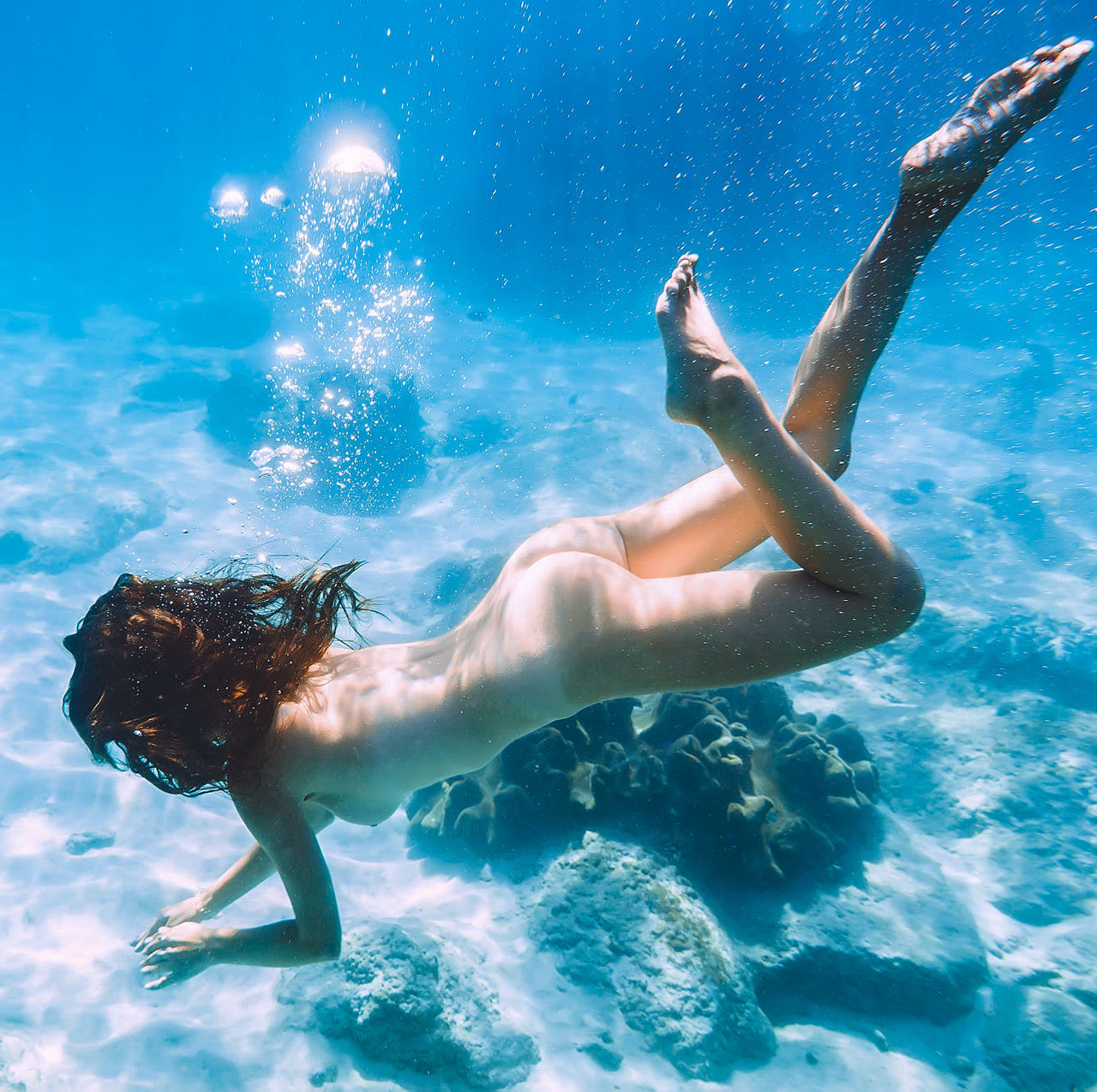
Concept and Appeal of Nude Snorkeling
Nude snorkeling, or "free snorkeling," is a form of underwater exploration where participants engage with marine environments without swimwear, relying solely on a snorkel, mask, and fins. The concept is rooted in the belief that clothing—particularly synthetic fabrics—can disrupt the natural sensory experience, hinder mobility, and even contribute to environmental degradation through microplastic pollution. Advocates argue that nudity in water-based activities fosters authenticity, reduces social hierarchies, and encourages a more respectful interaction with ecosystems.
The appeal extends beyond environmentalism. Many participants describe the experience as liberating, comparing it to a form of "water-based nudism" that aligns with the principles of body positivity and freedom. For some, it represents a rejection of consumerist tendencies in tourism, where excessive gear or branded swimwear can detract from the essence of exploration. The practice also resonates with those seeking spiritual or mindfulness-based activities, as the absence of clothing can heighten sensory perception, making the experience more immersive.
Table of Contents
- Understanding Nude Snorkeling: An Overview of the Experience
- Concept and Appeal of Nude Snorkeling
- Comparison with Traditional Snorkeling
- Historical Context and Origins
- Key Milestones in Nude Snorkeling’s Evolution
- Telegram as a Platform for Exclusive Nude Snorkeling Communities
- Telegram’s Core Features Supporting Nude Snorkeling Communities
- Types of Telegram Communities Dedicated to Nude Snorkeling
- Examples of Successful Telegram Groups and Their Growth Strategies
- Comparison: Telegram vs. Other Platforms for Nude Snorkeling Communities
- VIP Access in Nude Snorkeling Telegram Communities: Exclusive Benefits and Membership Dynamics
- Conceptual Framework of VIP Access in Nude Snorkeling Communities
- Tangible Benefits of VIP Membership in Nude Snorkeling
- Real-World Examples of VIP Nude Snorkeling Experiences
- Comparison Table: Free vs. VIP Nude Snorkeling Experiences
Culturally, nude snorkeling reflects broader shifts in attitudes toward nudity, particularly in regions where naturism is more accepted. In areas like parts of Europe, Australia, and certain Caribbean islands, the practice has gained traction as a counterculture movement, often associated with eco-tourism and wellness retreats. However, its acceptance varies widely, with some destinations embracing it as a sustainable travel trend, while others impose strict regulations or outright bans.
Comparison with Traditional Snorkeling
While traditional snorkeling focuses on accessibility, convenience, and adherence to local norms, nude snorkeling prioritizes sensory immersion, environmental consciousness, and personal freedom. Below is a comparative analysis highlighting key differences:
| Aspect | Traditional Snorkeling | Nude Snorkeling |
|---|---|---|
| Primary Focus | Exploration, convenience, and adherence to cultural/social expectations | Sensory immersion, environmental mindfulness, and personal liberation |
| Gear Requirements | Swimwear, rash guards, wetsuits, and sometimes additional accessories (e.g., dive watches, waterproof cameras) | Minimalist gear—snorkel, mask, fins, and occasionally a waterproof pouch for personal items |
| Sensory Experience | Moderate sensory engagement; clothing can restrict movement and temperature sensitivity | Enhanced sensory awareness; direct contact with water increases tactile and thermal perception |
| Environmental Impact | Potential for microplastic pollution from synthetic fabrics; higher carbon footprint due to gear transportation | Reduced environmental impact; no synthetic materials introduced into marine ecosystems |
| Social Dynamics | Hierarchies may persist based on attire (e.g., branded swimwear, wetsuits); group dynamics influenced by clothing choices | Equality among participants; attire-free environment fosters a sense of community and shared experience |
| Cultural Acceptance | Widely accepted globally; aligns with mainstream tourism practices | Varies by region; accepted in naturist-friendly destinations but restricted or banned elsewhere |
| Safety Considerations | Swimwear can pose risks (e.g., tangled fins, restricted mobility in emergencies) | Reduced risk of gear entanglement; improved mobility in water may enhance safety in certain scenarios |
| Psychological Benefits | Relaxation and enjoyment of marine life, but limited by social or personal comfort with attire | Heightened psychological freedom; reduced social inhibition and increased mindfulness |
Despite these differences, both forms of snorkeling share a common goal: fostering appreciation for marine ecosystems. However, nude snorkeling’s emphasis on minimalism and direct interaction with nature sets it apart as a niche but growing trend within sustainable tourism.
Historical Context and Origins
The roots of nude snorkeling can be traced to the broader naturist movement, which gained momentum in the early 20th century as a reaction against restrictive social norms and industrialization’s impact on human health and well-being. Naturism, or "nudism," advocates for the acceptance of the human body in its natural state, often emphasizing physical and mental health benefits. By the 1960s and 1970s, naturist resorts and beaches began emerging in Europe, particularly in countries like France, Germany, and Spain, where legal protections for naturism were established.
Nude snorkeling specifically began to gain visibility in the 1990s and early 2000s, coinciding with the rise of eco-tourism and a growing disillusionment with mass tourism’s environmental footprint. Early adopters were often part of countercultural circles or environmentalist groups who sought alternative ways to engage with nature. The Caribbean and Mediterranean regions became early hotspots, with destinations like the Bahamas and Greece attracting pioneers of the movement. These areas offered warm climates, clear waters, and, in some cases, a more permissive attitude toward naturism.
The legal and cultural landscape began to shift in the 2010s, as nude snorkeling tours started being offered by eco-conscious operators. For example, in 2012, a German travel company launched one of the first commercial nude snorkeling excursions in the Maldives, capitalizing on the archipelago’s existing naturist-friendly policies. Similarly, in 2015, a nudist beach in Australia’s Byron Bay began hosting guided nude snorkeling sessions, further normalizing the practice in regions where naturism was already accepted.
Key Milestones in Nude Snorkeling’s Evolution
The growth of nude snorkeling has been shaped by legal reforms, cultural shifts, and environmental advocacy. Below is a timeline of significant milestones:
- 1960s–1970s: The naturist movement gains traction in Europe, with countries like France and Germany legalizing nudism on designated beaches. This sets a precedent for future acceptance of nude activities in natural settings.
- 1990s: Early experiments with nude snorkeling occur in countercultural circles, particularly in the Caribbean and Mediterranean. These were informal gatherings rather than organized tours.
- 2005: The first documented nude snorkeling tour is offered in the Bahamas, targeting a niche audience of eco-conscious travelers. The tour emphasizes sustainability and minimal environmental impact.
- 2010: A naturist resort in Greece begins hosting guided nude snorkeling excursions, attracting international participants. This marks the first instance where a commercial entity explicitly markets nude snorkeling as a recreational activity.
- 2012: The Maldives legalizes naturism on private islands, leading to the launch of the first commercial nude snorkeling tour in the region. The Maldives’ eco-friendly approach to tourism aligns with the principles of nude snorkeling.
-
2015: Australia’s Byron Bay becomes a hub for nude snorkeling, with local guides offering sessions from designated natur
Telegram as a Platform for Exclusive Nude Snorkeling Communities
Telegram has emerged as a dominant digital ecosystem for niche communities, including those centered around unconventional activities like nude snorkeling. Its blend of end-to-end encryption, customizable privacy settings, and flexible group management tools makes it uniquely suited for enthusiasts seeking discreet, organized, and engaging spaces. Unlike traditional social media platforms, Telegram’s architecture prioritizes user control, allowing administrators to curate content, enforce participation rules, and foster trust—critical factors for groups discussing sensitive or location-specific activities. This section explores how Telegram’s features facilitate the growth of exclusive nude snorkeling communities, the types of groups that thrive within its framework, and the practical, legal, and ethical considerations for participants and organizers.Telegram’s Core Features Supporting Nude Snorkeling Communities
Telegram’s design aligns with the needs of private, activity-based communities by offering anonymity, accessibility, and robust moderation tools. The platform’s secret chats and self-destructing messages ensure conversations remain confidential, while customizable group settings allow administrators to restrict access, screen members, and enforce participation guidelines. Unlike open forums, Telegram groups can operate with invite-only policies, reducing exposure to outsiders and maintaining a curated environment. Additionally, cloud-based storage enables members to share media (e.g., photos, videos, or location guides) without relying on third-party services, further enhancing privacy. The platform’s cross-device synchronization ensures seamless access across mobile and desktop, catering to global participants who may join from different regions. For nude snorkeling communities, this is particularly valuable, as members often coordinate across time zones for group excursions, legal consultations, or shared resources. Telegram’s bots and automation also streamline administrative tasks, such as scheduling meetups, distributing event invitations, or managing payments for VIP access tiers. These features collectively create a secure, efficient, and scalable infrastructure for niche communities with specific needs.Types of Telegram Communities Dedicated to Nude Snorkeling
Telegram hosts a diverse range of nude snorkeling communities, each serving distinct purposes within the broader ecosystem. These groups can be categorized based on their primary function, membership composition, and level of exclusivity:- Travel Planning and Logistics Groups Focus on organizing group trips, destination scouting, and shared transportation (e.g., private boat charters or secluded beaches). Members often collaborate on budgeting, itinerary planning, and safety protocols, with some groups specializing in legal jurisdictions (e.g., regions where nude snorkeling is tolerated or decriminalized). Example: A group may coordinate a monthly trip to Goa, India, where nude beach culture is more accepted, or Ambon, Indonesia, known for its liberal attitudes toward naturism in specific zones.
- Legal and Compliance Channels Provide jurisdiction-specific advice on local laws, police presence, and potential risks. These groups often include lawyers, ex-enforcement officers, or expatriates who share insights on how to minimize legal exposure (e.g., avoiding public nudity in restricted areas, understanding police discretion in certain countries). Some groups maintain up-to-date databases of fines, arrests, or tourist advisories for popular nude snorkeling destinations.
- Experience-Sharing and Testimonial Forums Serve as peer-review platforms where members discuss personal anecdotes, gear recommendations, and best practices. Topics may include how to blend in with local naturist communities, choosing the right wetsuit for discretion, or handling unexpected encounters with authorities. These groups often feature photo albums of past trips, allowing newcomers to visualize potential destinations.
- VIP and Paid Access Communities Offer exclusive content, direct organizer access, or premium services (e.g., private guides, discounted gear, or insider tips). Membership may require application processes, background checks, or financial contributions, ensuring a higher standard of trust and professionalism. Example: A group charging $50/month might provide weekly video updates from organizers, priority invitations to events, or legal consultations.
- Safety and Emergency Support Networks Act as rapid-response teams for members facing legal or medical emergencies abroad. These groups may include contacts for local lawyers, translators, or embassy representatives, as well as protocols for handling police interactions (e.g., knowing when to cooperate versus assert rights). Some even maintain shared funds for legal defense in extreme cases.
- Equipment and Gear Exchange Hubs Facilitate the buying, selling, or renting of snorkeling gear (e.g., wetsuits, masks, or underwater cameras) with a focus on discreet designs (e.g., full-body wetsuits for modesty). Members often share reviews of brands that cater to naturists, such as semi-transparent or unisex wetsuits.
Examples of Successful Telegram Groups and Their Growth Strategies
Organic growth in Telegram communities often hinges on trust, exclusivity, and value delivery. Below are three case studies of groups that have expanded through distinct strategies:-
"Nude Dive Club" (12,000+ Members)
Growth Strategy: Public-facing marketing via Instagram and Reddit, combined with referral incentives (e.g., free membership for inviting 5 friends). The group operates as a hybrid forum, offering free basic access (general discussions) and paid VIP tiers ($20/month for private event invites). Engagement metrics show 30% of members actively participating in discussions, with weekly live Q&A sessions hosted by experienced divers.
Key Features:
- Moderated photo albums of past trips (with member consent).
- Destination-specific sub-channels (e.g., "Caribbean Nude Dives," "Southeast Asia Legal Guide").
- Partnered with local tour operators for discounted group rates.
-
"Silent Depths" (800 Members, Invite-Only)
Growth Strategy: Word-of-mouth and targeted invitations from existing members, with a strict vetting process (including background checks for organizers). The group focuses on high-end, discreet experiences (e.g., private yacht charters in the Maldives) and charges $500/year for membership. Engagement is highly interactive, with 90% of members participating in at least one event per year.
Key Features:
- Endorsement-based invitations (new members must be sponsored by existing ones).
- Custom bot for event RSVP and payment processing.
- Confidentiality agreements for all participants.
- "Legal Snorkel Network" (3,500 Members) Growth Strategy: Collaboration with expat lawyers and travel bloggers who promote the group as a resource for "risk-aware" travelers. The group provides free legal consultations (via bot-scheduled calls) and has zero tolerance for misinformation, leading to high trust among members. Growth has been organic but steady, with 20% annual increase in membership. Key Features:
- Jurisdiction-specific legal threads (e.g., "Thailand: Police Behavior in Phuket vs. Koh Samui").
- Shared document repository of police reports and tourist advisories.
- Anonymous reporting system for members facing legal issues.
Comparison: Telegram vs. Other Platforms for Nude Snorkeling Communities
While Telegram dominates the space, other platforms offer alternative features that may appeal to specific user demographics. Below is a comparative analysis of Telegram against Reddit, WhatsAppVIP Access in Nude Snorkeling Telegram Communities: Exclusive Benefits and Membership Dynamics
VIP access in niche communities like nude snorkeling Telegram groups represents a tiered membership system designed to elevate participant experiences through exclusivity, safety, and personalized services. Unlike standard group access, which often relies on public invites or first-come-first-served policies, VIP tiers introduce structured privileges such as priority booking, curated locations, and professional support. This model mirrors high-end travel and recreational industries, where premium offerings justify additional costs through enhanced value. The appeal lies in transforming a casual activity into a curated, almost luxury experience—one that prioritizes discretion, comfort, and access to hidden gems in snorkeling destinations. Below, the mechanics of VIP access are dissected, from its tangible perks to the operational frameworks that sustain these elite communities.Conceptual Framework of VIP Access in Nude Snorkeling Communities
VIP access in nude snorkeling Telegram groups functions as a gated community model, where organizers segment participants based on engagement levels, financial contributions, or demonstrated trustworthiness. The core premise revolves around reciprocity: VIP members receive preferential treatment in exchange for sustaining the community through fees, referrals, or active participation in organizing events. This system is not merely about exclusivity but also about fostering a sense of belonging and shared values among participants. For instance, a VIP member might gain access to private discussions, early notifications about rare snorkeling spots, or even co-hosting privileges for group excursions. The psychology behind VIP tiers leverages FOMO (fear of missing out) and social proof—participants are drawn to the idea of accessing experiences that others cannot, while the community benefits from a stable revenue stream and a core group of committed members. Organizers often frame VIP access as an investment in safety, quality, and unique opportunities, distinguishing it from free or open-access alternatives. The result is a symbiotic relationship where both the community and its members thrive through structured exclusivity.Tangible Benefits of VIP Membership in Nude Snorkeling
VIP access in nude snorkeling communities translates into a suite of practical advantages that justify the additional cost. These benefits are categorized into logistical, safety-related, experiential, and social perks, each designed to enhance the overall participant experience. Below is a detailed breakdown of the most commonly offered privileges:- Priority Booking and Guaranteed Spots VIP members often secure first dibs on snorkeling excursions, reducing the risk of cancellations due to overbooking. This is particularly valuable in popular destinations where spots fill up quickly. For example, a VIP member in a Bali-based group might book a private morning snorkel at Nusa Penida’s Kelingking Beach weeks in advance, while regular members wait for last-minute openings.
- Exclusive Locations and Hidden Gems Organizers of VIP tiers frequently disclose off-the-beaten-path snorkeling sites that are either restricted to the public or not widely advertised. These locations may include secluded coves, marine reserves with rare biodiversity, or even private islands leased for group use. A case study from the Caribbean reveals a VIP-exclusive tour to a protected coral reef in St. Lucia, accessible only through a local guide affiliated with the Telegram group.
- Personalized Guides and Local Experts VIP access often includes dedicated guides who specialize in nude snorkeling etiquette, marine biology, or local regulations. These guides undergo background checks and are trained to handle sensitive topics such as body positivity, safety protocols, and cultural nuances. For instance, a VIP group in Thailand might be paired with a former marine biologist who leads discussions on sustainable snorkeling practices while ensuring the group adheres to dress codes in conservative areas.
- Discounted Rates and Package Deals Organizers frequently offer VIP members reduced rates on gear rentals, accommodation partnerships, or transport services. These discounts can accumulate significantly over multiple trips. A VIP package in the Maldives, for instance, might include a 20% discount on luxury resort stays, a complimentary underwater camera rental, and a group transfer from the airport—savings that offset the VIP membership fee.
- Private or Semi-Private Tours The most sought-after VIP perk is the option for private or semi-private tours, where groups are capped at 4–12 participants. This ensures minimal interaction with non-members and a more intimate experience. Private yacht charters, such as those offered in the Greek Islands or French Polynesia, are a hallmark of VIP access, often including gourmet meals, open-bar policies, and onboard showers for post-snorkel refreshment.
- Insider Tips and Community Perks VIP members gain access to a private channel or encrypted group where organizers share real-time updates, such as weather advisories, marine life sightings, or last-minute changes to itineraries. They may also receive invitations to members-only events, such as sunset dinners on a snorkeling boat or educational workshops on marine conservation.
- Extended Support and Emergency Protocols VIP tiers often include 24/7 emergency support, including medical evacuation coverage, first-aid training for guides, and pre-screened local contacts (e.g., dive doctors, translators). In regions with limited healthcare access, such as remote Indonesian islands, this support can be lifesaving. Organizers may also provide a dedicated contact person for VIP members to address concerns before or during trips.
- Access to VIP-Only Events Annual or seasonal events, such as bioluminescent plankton snorkeling in Puerto Rico or whale-shark encounters in Mexico, are frequently reserved for VIP members. These events are marketed as once-in-a-lifetime experiences and often require significant logistical planning, making them exclusive by design.
Real-World Examples of VIP Nude Snorkeling Experiences
The allure of VIP access is best illustrated through real-world case studies where organizers have successfully monetized exclusivity. These examples highlight the diversity of offerings, from budget-friendly upgrades to ultra-luxury experiences.- Private Yacht Charters in the Mediterranean A Telegram group based in Croatia offers VIP access to private yacht tours along the Dalmatian Coast, catering to groups of 6–8 members. The package includes a captain, chef, and marine guide, with stops at secluded bays like Mljet National Park. VIP members pay €800–€1,200 per person for a 3-day charter, while regular members share a larger boat for €400–€600 per person. The VIP tier ensures privacy, as the yacht is not open to non-members.
- All-Inclusive Resorts in the Maldives In partnership with boutique resorts, some VIP programs offer "snorkel-and-stay" packages where participants receive discounted rates at eco-friendly resorts in exchange for promoting the group. For example, a VIP member might stay at a resort in Baa Atoll for $250/night (vs. $400 for non-members) and gain access to a private reef snorkeling circuit, including night dives to spot manta rays.
- Volunteer-Led Expeditions in Costa Rica A non-profit Telegram group in Central America provides VIP access to conservation-focused snorkeling trips, where members contribute to coral restoration projects. VIPs receive training from marine biologists, priority placement during clean-up dives, and a certificate of participation. The cost ($500–$700) covers equipment, meals, and a portion of the conservation program’s budget.
- Luxury Overwater Bungalows in Bora Bora A high-end VIP program collaborates with overwater villa resorts to offer snorkeling excursions to the nearby Motu Tapu, a protected lagoon. VIP members stay in private villas (rented at a 30% discount) and receive a personalized itinerary, including a private boat transfer to a hidden sandbar. The total cost for a 4-day package exceeds $5,000 per person but includes gourmet dining and a photographer for underwater shots.
- Cultural Immersion Trips in Bali A VIP tier in a Bali-based group focuses on ethical nude snorkeling, partnering with local temples and villages to ensure respectful interactions. Members pay $300–$500 for a 5-day trip that includes temple visits, traditional dance performances, and snorkeling at Nusa Lembongan’s crystal-clear waters. The fee supports a community fund for local schools.
Comparison Table: Free vs. VIP Nude Snorkeling Experiences
The differences between free and VIP access are quantifiable, spanning cost, exclusivity, and participant experience. Below is a comparative table outliningThe allure of nude snorkeling lies not just in the act of diving into crystal waters unencumbered by fabric, but in the communities that make it possible. Telegram has emerged as the silent architect of this revolution, offering a blend of anonymity, accessibility, and exclusivity that traditional platforms cannot match. For those willing to navigate its complexities—from vetting VIP organizers to understanding regional laws—the rewards are profound: uncharted reefs, private yacht excursions, and a sense of belonging in a movement that champions both personal freedom and ecological stewardship. As the line between digital connection and real-world adventure blurs, one question remains: Will the ocean’s embrace remain a radical act of liberation, or will it become the next mainstream travel trend, stripped of its rebellious soul?
Leave a Comment
Comments are moderated before appearing. The data you submit is processed according to the Privacy Policy of Amigoskings.