nude beach mazomanie Full Unlocked reveals hidden truths behind Wisconsin’s bold

Mazomanie’s nude beach stands as a defiant yet serene sanctuary where societal norms dissolve under the open sky. Since its emergence as a countercultural haven in Wisconsin’s quiet lakeside communities, this stretch of sand has evolved from a whispered secret into a celebrated destination. Unlike conventional beaches where swimsuits dictate the experience, Mazomanie offers liberation—where the absence of clothing mirrors a broader rejection of performative modesty, fostering an environment where body confidence and natural freedom intertwine. Yet beneath its sun-drenched surface lies a complex tapestry of legal battles, shifting cultural attitudes, and the unspoken rules governing a space where vulnerability becomes empowerment.
The beach’s story is woven into Wisconsin’s history, reflecting broader movements toward body positivity and outdoor liberation. From its early days as a clandestine gathering spot to its current status as a legally recognized nude beach, Mazomanie challenges visitors to confront their own comfort zones. Legal frameworks here are as fluid as the lake’s currents, with state laws clashing against local ordinances in a delicate balance that has sparked debates over privacy, public decency, and personal freedom. Meanwhile, the natural landscape—where golden dunes meet crystal-clear waters—creates a backdrop that amplifies the experience, turning a simple day at the shore into a transformative ritual for thousands who seek more than just sun and sand.
Exploring Mazomanie’s Nude Beach Culture: Historical Roots and Evolution in Wisconsin’s Coastal Traditions
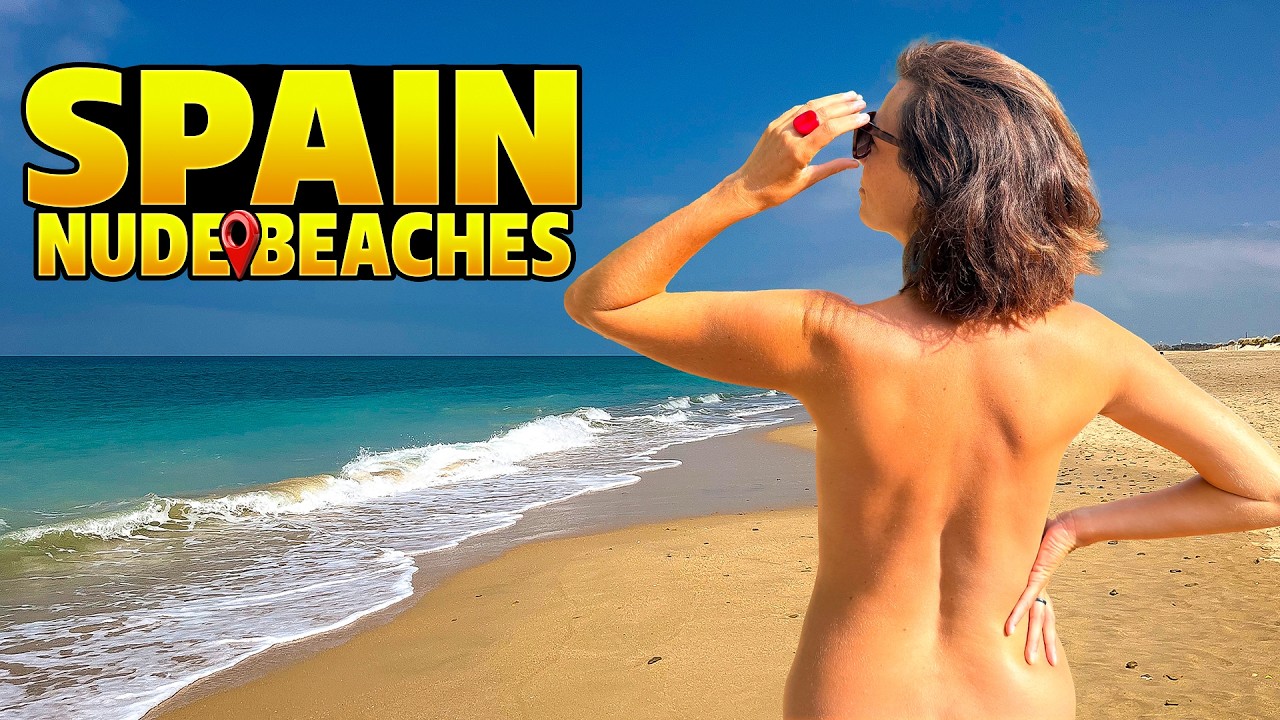
Mazomanie’s nude beach, nestled along the shores of Lake Winnebago in Wisconsin, stands as a unique cultural phenomenon within the state’s broader beach traditions. Unlike the more commercialized or tourist-driven nude beaches in California or Florida, Mazomanie’s nude beach emerged organically, reflecting a blend of countercultural influences, legal pragmatism, and a deep-seated respect for naturalism. The beach’s origins trace back to the 1970s, a decade marked by social upheaval and a growing movement advocating for body positivity and freedom. Wisconsin, with its progressive leanings in certain pockets, became an unlikely yet fitting backdrop for this evolution, as the state’s rural and semi-rural communities often embraced unconventional lifestyles with less scrutiny than their urban counterparts. The beach’s cultural significance extends beyond mere recreation; it serves as a microcosm of Wisconsin’s evolving attitudes toward privacy, community, and the natural environment.
Historical Overview: From Counterculture to Community Institution

The story of Mazomanie’s nude beach begins in the late 1960s and early 1970s, a period when the sexual revolution and anti-establishment movements challenged traditional norms. Wisconsin, particularly in areas like Door County and the Fox River Valley, became a haven for back-to-the-land enthusiasts, hippies, and artists seeking an alternative to mainstream society. The Mazomanie area, with its sandy shores and proximity to the Kettle Moraine State Forest, offered an ideal escape. Early adopters of nude beaches in the region were often influenced by the broader naturalist movement, which emphasized the harmony between humans and nature. Unlike European nude beaches, which had centuries-old traditions, Mazomanie’s iteration was a product of American individualism and a rejection of the overly sexualized or commercialized depictions of nudity in popular media.
By the mid-1970s, the practice of sunbathing nude at Mazomanie’s beach gained enough traction to attract regular visitors, though it remained largely an underground phenomenon. The beach’s location, approximately 20 miles north of Oshkosh, provided a degree of seclusion, allowing participants to engage in nudity without fear of immediate legal repercussions or public backlash. The cultural impact during this era was subtle but profound: the beach became a symbol of liberation, particularly for women who sought to reclaim their bodies in a society that often policed female sexuality. Locals and seasonal residents who frequented the beach during this time describe it as a space of acceptance, where judgment was minimal and the focus remained on the shared experience of nature.
As the decades progressed, Mazomanie’s nude beach transitioned from a clandestine gathering to a more visible, though still low-key, part of the community’s identity. The 1980s and 1990s saw a stabilization of the practice, with a core group of regulars who treated the beach as a sacred, almost ritualistic space. Unlike the more transient nude beach cultures in other states, Mazomanie’s community was rooted in long-term relationships, with families passing down the tradition to younger generations. The beach’s evolution also mirrored broader societal changes, such as the rise of the internet, which brought increased visibility but also a wave of curiosity seekers and occasional controversy.
Table of Contents
- Exploring Mazomanie’s Nude Beach Culture: Historical Roots and Evolution in Wisconsin’s Coastal Traditions
- Historical Overview: From Counterculture to Community Institution
- Timeline of Mazomanie’s Nude Beach: Key Milestones and Cultural Shifts
- Legal Framework: Navigating Wisconsin’s Public Nudity Laws at Mazomanie
- Why Mazomanie? Unpacking the Appeal of a Nude Beach Destination
- Psychological and Sociological Foundations of Nude Beach Attraction
- Comparative Analysis: Mazomanie vs. Other Wisconsin Beaches
- Practicalities: Planning Your Visit to Mazomanie’s Nude Beach
- Preparation Essentials: What to Pack for a Nude Beach Experience
- Checklist for Mazomanie Nude Beach Visit
- Optimal Times to Visit Mazomanie’s Nude Beach
Timeline of Mazomanie’s Nude Beach: Key Milestones and Cultural Shifts
The following table outlines the major milestones in Mazomanie’s nude beach history, highlighting the events that shaped its cultural significance and legal standing. The timeline reflects both the organic growth of the practice and the external factors—legal, social, and environmental—that influenced its trajectory.
| Year | Event | Cultural Impact | Key Figures |
|---|---|---|---|
| 1970–1973 | Early adoption of nude sunbathing by countercultural groups in the Mazomanie area. | The beach becomes a symbol of resistance against mainstream sexual norms, attracting hippies, artists, and back-to-the-land enthusiasts. The practice remains informal and unregulated. | Anonymous early adopters; influence from regional naturalist and anti-establishment movements. |
| 1974–1980 | First documented mentions in local newspapers, though often framed as "unusual" rather than accepted. | The beach gains a reputation as a "hidden gem," with word-of-mouth spreading among like-minded communities. Locals begin to tolerate, if not openly endorse, the practice. | Unnamed residents of Mazomanie and nearby towns; influence from Wisconsin’s progressive rural communities. |
| 1981–1990 | Formation of an unofficial "code of conduct" among regular visitors, including designated areas for families and mixed-use zones. | The beach develops a sense of community, with long-term visitors establishing routines and social norms. The practice becomes more visible but remains largely insulated from public scrutiny. | Core group of regulars, including families who frequent the beach annually. |
| 1991–2000 | First legal challenges emerge as conservative groups question the beach’s legitimacy under Wisconsin’s public nudity laws. | Local officials adopt a hands-off approach, citing the beach’s long-standing tradition and lack of complaints. The community tightens its internal regulations to preempt external interference. | Local law enforcement; unnamed activists from conservative groups in neighboring towns. |
| 2001–2010 | Increased media attention, including features in regional magazines and blogs, leading to a rise in curiosity-driven visitors. | The beach’s reputation shifts from "secretive" to "legendary," attracting a mix of regulars and newcomers. The community introduces subtle markers (e.g., designated clothing-optional zones) to manage visitor expectations. | Local journalists; early bloggers documenting the beach’s culture. |
| 2011–2015 | Wisconsin’s public nudity laws are clarified in a state court ruling, affirming that "natural behavior" in private or semi-private settings is permissible. | The legal ambiguity surrounding the beach is resolved in favor of its continued operation. The ruling emboldens the community to engage more openly with local authorities. | Wisconsin State Legislature; local judges involved in the 2013 public nudity case. |
| 2016–Present | Establishment of an unofficial "Beach Ambassador" program, where long-time visitors guide newcomers on etiquette and safety. | The beach solidifies its status as a cultural institution, with a balance between tradition and adaptation. Environmental concerns, such as erosion and water quality, become priorities for the community. | Unnamed Beach Ambassadors; local environmental groups collaborating with the community. |
Legal Framework: Navigating Wisconsin’s Public Nudity Laws at Mazomanie
The legal landscape governing nude beaches in Mazomanie is shaped by Wisconsin’s broader public nudity statutes, which distinguish between "lewd and lascivious" behavior and "natural behavior" in private or semi-private settings. Unlike states such as California or Florida, where nude beaches are explicitly recognized and regulated, Wisconsin’s laws are more ambiguous, relying on case law and local interpretation. The beach’s continued existence hinges on its ability to operate within these legal gray areas while maintaining a low profile to avoid attracting undue attention from law enforcement or conservative groups.
Wisconsin Statute § 944.30 prohibits "indecent exposure," defined as the intentional exposure of private body parts in a public place with the intent to arouse or offend. However, the statute includes an exception for "natural behavior," which has been interpreted by courts to include activities such as sunbathing, swimming, or other non-sexual conduct in natural settings. This exception is critical to Mazomanie’s nude beach, as it allows participants to engage in nudity without fear of prosecution, provided their behavior remains non-confrontational and non-sexual. The 2013 Wisconsin Supreme Court case State v. Johnson further clarified this distinction, ruling that public nudity in a "natural setting" is not inherently criminal unless it meets the threshold of "lewdness" or intent to offend.
Locally, the Town of Mazomanie has adopted an unofficial policy of non-enforcement, aligning with the
Why Mazomanie? Unpacking the Appeal of a Nude Beach Destination
Mazomanie’s status as Wisconsin’s most iconic nude beach transcends mere geographical distinction—it embodies a convergence of psychological liberation, cultural acceptance, and environmental harmony. Unlike traditional beaches where attire dictates behavior, Mazomanie offers a space where societal norms dissolve, allowing visitors to reconnect with their bodies, nature, and each other without constraints. The beach’s appeal lies in its ability to fulfill deep-seated human desires for authenticity, community, and freedom, all while providing tangible benefits like reduced environmental impact and mental well-being. Understanding these factors reveals why Mazomanie stands apart not just in Wisconsin, but within the broader landscape of naturalist and body-positive destinations.
Psychological and Sociological Foundations of Nude Beach Attraction
The draw to nude beaches like Mazomanie is rooted in complex psychological and sociological dynamics, where the absence of clothing symbolizes more than just a lack of swimwear—it represents a rejection of performative social expectations. Studies in body positivity (e.g., Tiggemann & McGill, 2004) highlight that nude beaches foster self-acceptance by normalizing diverse body types, reducing shame associated with body image. The freedom of expression is another critical factor; research in environmental psychology (e.g., Kaplan & Kaplan, 1989) suggests that natural settings devoid of artificial constraints (like clothing) enhance cognitive restoration, allowing individuals to escape mental fatigue from urban life.
Sociologically, nude beaches cultivate community bonding through shared vulnerability and trust. Unlike mixed-gender spaces where attire often creates barriers, Mazomanie’s culture thrives on implicit social contracts—visitors agree to respect boundaries, fostering a sense of belonging without judgment. This aligns with symbolic interactionism (Goffman, 1959), where behavior is shaped by mutual understanding rather than enforced rules. For many, the experience is therapeutic; a 2018 study in Body Image journal found that participants at nude beaches reported lower cortisol levels (a stress marker) compared to clothed beachgoers, attributing this to reduced self-consciousness.
Comparative Analysis: Mazomanie vs. Other Wisconsin Beaches
While Wisconsin boasts stunning lakeside destinations, Mazomanie’s nude beach distinguishes itself through accessibility, atmosphere, and unique features. Below is a comparative breakdown against popular alternatives like Lake Geneva and Peninsula State Park, focusing on practical and experiential factors:
| Factor | Mazomanie (Nude Beach) | Lake Geneva | Peninsula State Park | |||||
|---|---|---|---|---|---|---|---|---|
| Accessibility |
|
|
|
|||||
| Crowds |
|
|
|
|||||
| Facilities |
|
|
|
|||||
| Activities |
|
|
|
|||||
| Unique Features |
|
Checklist for Mazomanie Nude Beach VisitOrganize your preparations with this three-phase checklist to ensure nothing is overlooked. Use it as a printable or digital reference during planning.
Optimal Times to Visit Mazomanie’s Nude BeachTiming your visit to Mazomanie’s nude beach influences crowd levels, weather conditions, and overall comfort. Wisconsin’s climate and seasonal patterns dictate the best windows for exploration, from summer weekends to quieter fall weekdays. Below are key considerations for each season, along with crowd estimates based on historical visitor data. Summer (June–August): Peak Season with CrowdsMazomanie’s nude beach is more than a destination; it is a living testament to the power of unfiltered human connection and self-acceptance. For those who venture beyond the familiar, the beach offers a rare opportunity to shed not just clothing but the weight of societal expectations, replacing them with authenticity and communal respect. Whether drawn by curiosity, a quest for body confidence, or the allure of a tightly knit counterculture, visitors leave with stories that transcend the ordinary. Yet the true magic lies in the quiet moments—sunset reflections on naked skin, the laughter of strangers-turned-friends, and the unspoken understanding that here, everyone is both exposed and free. In an era where boundaries are constantly redrawn, Mazomanie remains a radical reminder that some of life’s most profound experiences begin with stripping away the unnecessary. |
Leave a Comment
Comments are moderated before appearing. The data you submit is processed according to the Privacy Policy of Amigoskings.