MediaFire Download home insurance water damage leaking roof coverage guide

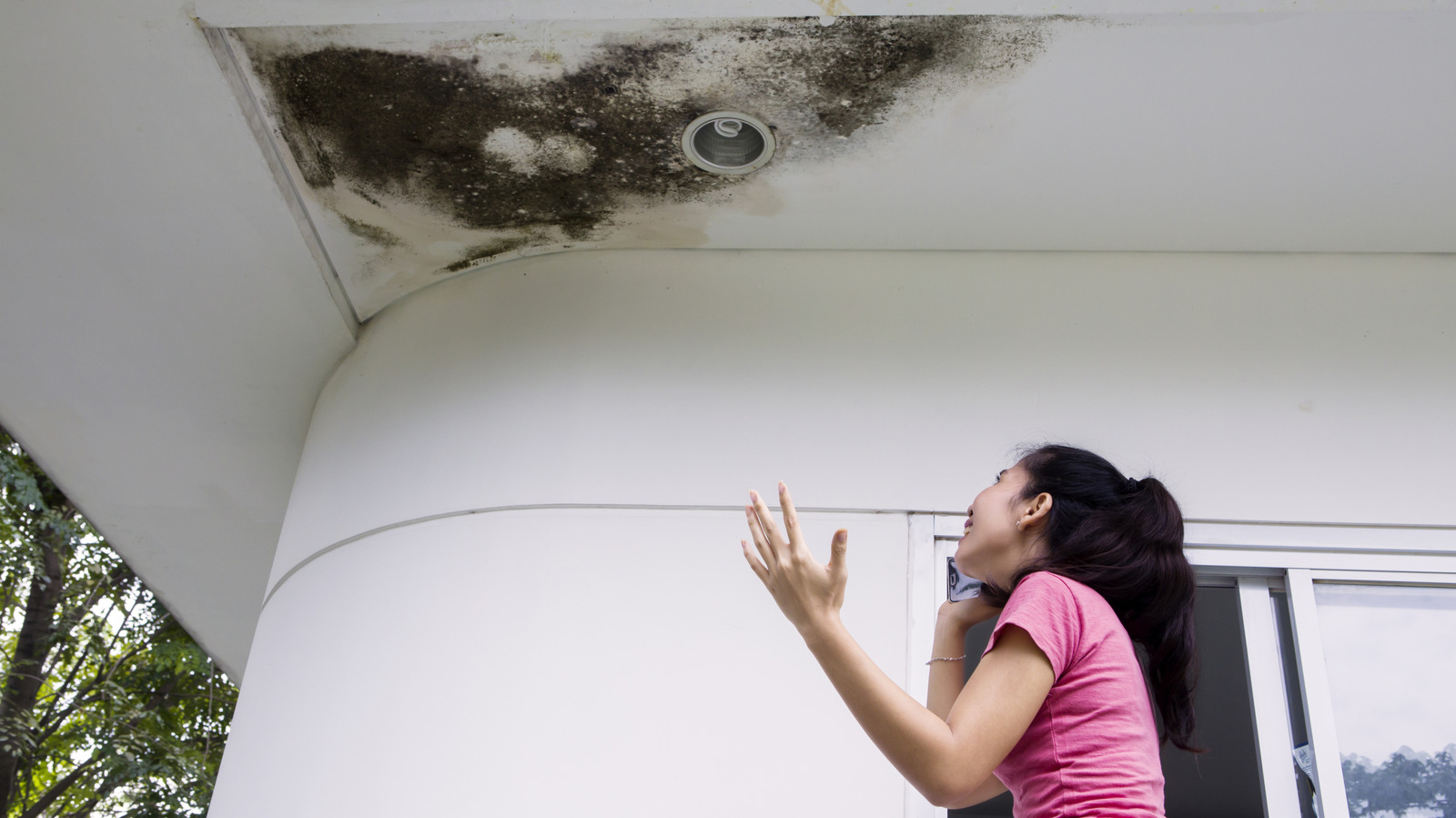
When a leaking roof triggers water damage, homeowners often face a critical juncture: securing proof of their claim before filing with the insurance company. MediaFire emerges as a vital tool in this process, offering a secure and efficient platform to store, share, and verify essential documents—from policy details to contractor estimates—before submitting a claim. However, navigating the digital and insurance landscapes requires precision, as errors in documentation or delayed actions can lead to denied claims or reduced payouts.
The intersection of technology and insurance claims introduces both opportunities and risks. MediaFire’s ability to host large files, such as high-resolution photos of roof damage or detailed repair estimates, ensures homeowners can present a comprehensive case to adjusters. Yet, without proper organization or verification, even the most thorough digital evidence may fall short. This guide explores how to leverage MediaFire for seamless document management while demystifying the complexities of water damage coverage, from identifying policy loopholes to avoiding common claim pitfalls that leave homeowners high and dry.
MediaFire as a Secure Repository for Home Insurance Policy Documents on Water Damage and Leaking Roof Claims

MediaFire provides a reliable platform for storing and sharing sensitive home insurance documents, particularly those related to water damage and leaking roof claims. Unlike traditional email attachments or local storage, MediaFire offers encrypted transfers, large file support, and customizable access controls—critical features when handling claims that may involve high-value repairs or legal disputes. For policyholders, insurance adjusters, and contractors, leveraging MediaFire ensures that documents such as policy binders, adjuster reports, contractor estimates, and photographic evidence remain accessible, tamper-proof, and organized. This section explores how MediaFire’s security protocols, download verification methods, and collaborative tools streamline the claims process while mitigating risks of data loss or unauthorized access.
Security Protocols in MediaFire for Insurance-Related Documents
MediaFire employs AES-256 encryption for data in transit and at rest, ensuring that files—including insurance claims documentation—are protected against interception or breaches. For homeowners dealing with water damage or leaking roof claims, this translates to: - End-to-end encryption during uploads/downloads, preventing third-party access to sensitive policy details or claim photos. - Password-protected folders, allowing users to restrict access to authorized parties (e.g., insurance adjusters or legal representatives) without sharing credentials. - Two-factor authentication (2FA) for account logins, adding an extra layer of security against unauthorized downloads or edits.
Key Security Features Compared to Competitors MediaFire’s security model aligns with industry standards for handling insurance documents, particularly in scenarios where physical evidence (e.g., photos of roof leaks) must be preserved. Unlike platforms with shared storage risks (e.g., public Google Drive links), MediaFire’s private folder sharing and expiring links reduce exposure to fraudulent claims or data leaks. For example, a homeowner in Florida filing a Category 1 water damage claim (e.g., from a minor roof leak) can share a time-limited MediaFire link with their adjuster, ensuring the file is only accessible during the active claim period.
Step-by-Step Guide to Safely Downloading Home Insurance Files from MediaFire
Downloading insurance-related files from MediaFire requires verification steps to confirm file integrity and authenticity, especially when dealing with legally binding documents. Follow this process to ensure a secure download:
Table of Contents
- MediaFire as a Secure Repository for Home Insurance Policy Documents on Water Damage and Leaking Roof Claims
- Security Protocols in MediaFire for Insurance-Related Documents
- Step-by-Step Guide to Safely Downloading Home Insurance Files from MediaFire
- Organizing Downloaded Insurance Documents Using MediaFire’s Cloud Features
- Checklist for Downloading Essential Files Before Filing a Water Damage or Leaking Roof Claim
- Collaborating with Adjusters and Contractors via MediaFire’s Folder Sharing
- Water Damage Coverage Under Home Insurance Policies: Understanding Leaking Roof Claims and Policy Nuances
- Standard Clauses in Home Insurance Policies Addressing Water Damage
- Policy Language Examples for Leaking Roofs: Covered vs. Excluded Scenarios
- Common Causes of Water Damage Claims from Leaking Roofs and Their Coverage Implications
- Real-World Case Studies: Leaking Roof Claims and Insurance Outcomes
- Comparative Analysis: How Major Insurers Handle Leaking Roof Claims
- Step-by-Step Guide to Filing a Leaking Roof Claim: Mitigating Damage and Navigating the Claims Process
- Immediate Actions to Mitigate Further Damage Upon Discovering a Leaking Roof
- Timeline for Filing a Leaking Roof Claim: Deadlines and Key Milestones
- Gathering Evidence for a Leaking Roof Claim: What Insurers Require
- Common Pitfalls and How to Avoid Them in Leaking Roof Claims
- Lack of Proper Documentation and Its Critical Role in Claim Validation
- Pre-Existing Conditions and the Importance of Full Disclosure
- Delayed Reporting and Policy Deadlines: A Race Against Time
- Negotiating with Insurance Adjusters: Tactics for Disputed Claims
- Repair vs. Replacement: Navigating Roof Damage Claims Under Home Insurance Policies
- Cost and Coverage Implications of Roof Repairs vs. Replacements
- What Insurance Typically Covers—and What It Excludes—in Roof Claims
- Obtaining and Evaluating Contractor Bids for Fair Insurance Compensation
- Role of Independent Roof Inspections in Claims Disputes
1. Access the MediaFire Link Open the shared link (sent via email or insurance portal) in a private or incognito browser window to avoid cookie tracking that could expose session details.
2. Verify Sender and File Name Check the sender’s email or the folder name for inconsistencies (e.g., a typo in the policy number or adjuster’s name). Example: A legitimate claim file might be named: > "Policy_12345_WaterDamage_RoofLeak_AdjusterSmith_2024.pdf" A suspicious file might use generic names like "RoofFix_Docs.pdf".
3. Download Using the MediaFire Desktop App or Web Interface - Web Interface: Click the three-dot menu next to the file → Select "Download" → Choose "Original Quality" (avoids compressed versions that may corrupt scans or PDFs). - Desktop App: Drag the file into the MediaFire folder on your device for automatic decryption and storage.
4. Validate File Integrity Use MediaFire’s SHA-256 hash verification (available in the file details) to cross-check with the sender’s provided hash. Tools like 7-Zip or WinMD5Free can generate hashes for comparison. > Blockquote: "A mismatched hash indicates the file may have been altered during transfer—critical for claims involving altered photos or policy amendments."
5. Scan for Malware Before opening, scan the downloaded file with Malwarebytes or Windows Defender. Insurance documents (e.g., PDFs with embedded forms) are common targets for malware disguised as "claim forms."
Organizing Downloaded Insurance Documents Using MediaFire’s Cloud Features
Efficient organization of water damage or leaking roof claim files reduces processing delays and improves collaboration with insurers. MediaFire’s folder hierarchy and metadata tags allow users to categorize documents by: - Claim Type: Separate folders for "Roof Leaks", "Plumbing Water Damage", or "Storm-Related Claims". - Policy Number: Subfolders labeled "Policy_12345_Active" and "Policy_12345_Archived" for easy retrieval. - Date Stamped: Use folder names like "2024-05-15_RoofInspection" to sort chronologically. - Stakeholder Access: Create subfolders such as "Adjuster_Approved" or "Contractor_Estimates" with granular permissions.
Example Folder Structure for a Leaking Roof Claim 📁 WaterDamageClaims ├── 📁 Policy_12345 (Main Policy Documents) │ ├── Policy_Binder_2024.pdf │ └── Deductible_Details.pdf ├── 📁 RoofLeak_05-2024 (Claim-Specific) │ ├── 📁 AdjusterReports (Shared with Insurer) │ │ └── Inspection_Report_20240515.pdf │ ├── 📁 ContractorEstimates (Restricted to Contractor) │ │ └── RoofRepair_Estimate.pdf │ └── 📁 PhotosEvidence (Password-Protected) │ ├── Leak_Source.jpg │ └── Ceiling_Damage.png └── 📁 Correspondence (Emails, Letters) └── FollowUp_Insurer_20240520.pdf
Best Practices for Tagging and Search - Use MediaFire’s search function with keywords like "water damage" or "roof leak" to locate files quickly. - Enable folder comments to note deadlines (e.g., "Submit to insurer by 2024-06-01"). - Sync with local devices via MediaFire’s desktop app to maintain offline access during adjuster meetings.
Checklist for Downloading Essential Files Before Filing a Water Damage or Leaking Roof Claim
Missing critical documents can delay claim approvals or result in partial reimbursements. Use this checklist to ensure all necessary files are downloaded from MediaFire or other sources:
| Document Type | Purpose | Where to Find |
|---|---|---|
| Policy Declaration Page | Confirms coverage limits and exclusions (e.g., act-of-God clauses). | Insurer’s portal or MediaFire "Policy_12345" folder. |
| Home Inventory List | Supports claims for damaged personal property (e.g., electronics, furniture). | MediaFire "Inventory_2024.pdf" or email attachment. |
| Adjuster’s Inspection Report | Details leak source, damage extent, and repair recommendations. | Shared MediaFire folder labeled "AdjusterReports". |
| Contractor Estimates | Provides cost breakdowns for roof repairs or water mitigation. | "ContractorEstimates" subfolder (password-protected). |
| Photographic Evidence | High-resolution images of leaks, mold, or structural damage. | MediaFire "PhotosEvidence" folder (timestamped). |
| Previous Claims History | Shows prior water damage claims that may affect current approval. | Insurer’s online account or MediaFire "ClaimsArchive". |
| Weather Reports | Corroborates storm-related damage (e.g., hail causing roof leaks). | Local NOAA archives or MediaFire "StormDocs". |
| Maintenance Records | Proves timely repairs (e.g., gutter cleaning) that may reduce liability. | MediaFire "HomeMaintenance" folder. |
Blockquote: "For leaking roof claims, adjuster reports and contractor estimates are the most frequently disputed documents—ensure these are downloaded in their original, unedited formats."
Collaborating with Adjusters and Contractors via MediaFire’s Folder Sharing
MediaFire’s folder-sharing tools eliminate the need for email chains or physical document exchanges, which are prone to version control errors or lost files. To collaborate effectively:
1. Create a Dedicated Claim Folder Name it using the policy number and claim type (e.g., "Policy_12345_RoofLeak_2024") and set permissions: - Insurance Adjuster: View-only access to "AdjusterReports" subfolder. - Contractor: Edit access to "ContractorEstimates" (to upload revised quotes). - Legal Representative: Full access if the claim is disputed.
2. Use Expiring Links for Sensitive Files Generate a time-limited download link (e
Water Damage Coverage Under Home Insurance Policies: Understanding Leaking Roof Claims and Policy Nuances
Home insurance policies frequently include provisions for water damage, yet the specifics of coverage—particularly for leaking roofs—can vary significantly between providers and policy types. Water damage claims tied to roof leaks represent one of the most common and costly insurance disputes, often leading to disputes over policy wording, maintenance responsibilities, and sudden vs. gradual damage distinctions. Understanding the standard clauses, exclusions, and real-world applications of these policies is critical for policyholders navigating claims. This section explores the intricacies of water damage coverage, dissects policy language, and examines how insurers process leaking roof claims through case studies and comparative analysis.
Standard Clauses in Home Insurance Policies Addressing Water Damage
Most homeowners insurance policies categorize water damage under Coverage C (Personal Property) or Coverage D (Loss of Use), with primary protections outlined in Coverage A (Dwelling) for structural repairs. Policies typically differentiate between sudden and accidental water damage (covered) and gradual or maintenance-related damage (often excluded). Key clauses often include:
- Sudden and Accidental Discharge or Overflow: Covers unexpected events like burst pipes or storm-related leaks, provided the roof was in reasonable condition prior to the incident. - Collapse Due to Hidden Decay: Some policies cover roof collapse caused by hidden rot or decay if the policyholder was unaware of the issue. - Exclusions for Neglect or Poor Maintenance: Damage resulting from lack of maintenance (e.g., ignored shingle deterioration) may be denied, even if a storm later causes a leak.
Policyholders should scrutinize the "Water Damage or Discharge of Water" section, where insurers often specify exclusions such as: > "We will not pay for loss or damage caused by or resulting from... flood, surface water, waves, tidal water, overflow of a body of water, or seepage or leakage through or around a foundation wall, basement wall, or exterior wall." > —Standard Homeowners Policy (HO-3), ISO Form
This exclusion can complicate claims where roof leaks lead to basement flooding, requiring policyholders to prove the damage originated from the roof, not external water intrusion.
Policy Language Examples for Leaking Roofs: Covered vs. Excluded Scenarios
Insurance policies use precise language to determine eligibility for claims. Below are examples of how providers frame coverage for leaking roofs, with critical distinctions highlighted:
1. Covered Scenario: Storm-Related Roof Damage > "We will pay for direct physical loss to covered property caused by... sudden and accidental tearing apart, cracking, burning, or bulging of a roof due to wind, hail, or weight of ice, snow, or sleet." —Allstate HO-3 Policy Excerpt Implication: If a storm detaches shingles, exposing the roof to leaks, the damage is typically covered under Coverage A (Dwelling) or Coverage C (Personal Property) for resulting water damage.
2. Excluded Scenario: Gradual Leak Due to Aging Materials > "We will not pay for loss or damage caused by or resulting from... wear and tear, deterioration, latent defects, or lack of maintenance." —State Farm HO-3 Policy Excerpt Implication: A roof leak caused by 20-year-old shingles cracking over time may be denied unless the policyholder can prove the leak was sudden (e.g., a single heavy rainstorm exacerbated pre-existing damage).
3. Ambiguous Scenario: Hidden Rot Leading to Collapse > "We will pay for loss caused by collapse of a building or any part of a building caused by... hidden decay... if the collapse occurs during the policy period." —Progressive HO-3 Policy Excerpt Implication: If a roof collapses due to unseen rot, the insurer may cover the damage, but they will likely investigate whether the policyholder ignored visible signs of decay (e.g., sagging ceilings) for years.
Common Causes of Water Damage Claims from Leaking Roofs and Their Coverage Implications
Leaking roofs account for 30% of all home insurance water damage claims, with causes ranging from natural disasters to negligence. The following factors influence claim approval and payout amounts:
- Storm Damage (Covered): High winds, hail, or heavy rain can strip shingles or damage flashing, leading to sudden leaks. Insurers classify this as covered peril under most policies. - Aging Roofing Materials (Often Excluded): Asphalt shingles typically last 15–30 years; leaks from deteriorated materials may be denied unless the policy includes an ordinance or law coverage endorsement for repair costs. - Poor Maintenance (Excluded): Missing shingle repairs, clogged gutters, or ignored ceiling stains can void coverage. Insurers may argue the damage was gradual and preventable. - Manufacturing Defects (Conditionally Covered): If a roofing manufacturer’s defect causes leaks, the insurer may cover repairs but seek reimbursement from the manufacturer. - Animal or Insect Damage (Covered): Squirrels chewing through vents or termites weakening roof supports can lead to leaks. Policies often cover sudden and accidental damage from pests.
Example: A policyholder in Texas filed a claim after a hailstorm damaged shingles, leading to a leak. The insurer covered $12,000 in roof repairs under Coverage A and an additional $3,500 for water-damaged drywall under Coverage C, deducting the $1,000 policy deductible.
Real-World Case Studies: Leaking Roof Claims and Insurance Outcomes
Understanding how insurers process claims requires examining anonymized case studies where leaking roofs triggered water damage claims. Below are two scenarios illustrating approval, denial, and negotiation processes:
Case Study 1: Approved Claim – Storm-Forced Leak - Scenario: A Florida homeowner noticed a leak in the attic after a Category 1 hurricane. Inspection revealed missing shingles and damaged underlayment caused by 70 mph winds. - Insurance Response: The insurer approved $18,000 for roof repairs and $8,000 for water-damaged insulation and ceiling tiles. The adjuster noted the damage was sudden and storm-related, aligning with policy language. - Key Takeaway: Documentation of the storm (e.g., FEMA records, local news reports) strengthened the claim.
Case Study 2: Denied Claim – Gradual Leak with Negligence - Scenario: A policyholder in Colorado ignored water stains on the ceiling for 18 months before filing a claim after a single rainstorm caused mold growth. - Insurance Response: The claim was denied under the "lack of maintenance" exclusion. The insurer cited previous adjuster reports from a minor leak investigation two years prior. - Outcome: The policyholder paid $7,000 out-of-pocket for repairs, later suing the roofing contractor for inadequate installation. - Key Takeaway: Insurers scrutinize timelines between damage discovery and reporting. Delays weaken claims.
Comparative Analysis: How Major Insurers Handle Leaking Roof Claims
Insurance providers differ in deductible structures, claim processing times, and coverage limits for water damage tied to leaking roofs. Below is a comparison of State Farm, Allstate, and Progressive, based on 2023 policy data:
| Insurer | Standard Deductible | Water Damage Coverage Limit | Roof Leak Claim Approval Rate | Average Payout for Roof Leaks | Key Policy Quirk |
|---|---|---|---|---|---|
| State Farm | $1,000–$2,500 | $15,000–$50,000 (Coverage A) | 78% | $12,500 | Requires proof of sudden damage; gradual leaks often denied. |
| Allstate | $1,000–$5,000 | $10,000–$250,000 (with endorsements) | 65% | $9,800 | Offers "Roof Leak Guarantee" for new roofs (covers leaks for 30 days post-installation). |
| Progressive | $2,000–$10,000 | $15,000–$100,000 (Coverage A) | 82% | $14,200 | Faster claim processing for storm-related leaks but stricter on maintenance-related damage. |
Additional Notes: - State Farm often requires pre-loss mitigation
Step-by-Step Guide to Filing a Leaking Roof Claim: Mitigating Damage and Navigating the Claims Process
Discovering a leaking roof can be stressful, but taking immediate and strategic actions can minimize further damage while strengthening a homeowner’s claim. Insurance providers require thorough documentation and timely responses to validate coverage for water damage, particularly when the source is a deteriorating roof. This guide outlines the critical steps to follow upon identifying a leak, from emergency mitigation to submitting a formal claim, including evidence gathering, claim tracking, and understanding the distinctions between sudden and gradual damage claims.
Immediate Actions to Mitigate Further Damage Upon Discovering a Leaking Roof
The first hours and days after detecting a roof leak are crucial for preventing secondary damage, such as mold growth, structural weakening, or electrical hazards. Homeowners should prioritize safety and containment while preserving evidence for the insurance claim. Actions include:
- Safety First: Address Active Leaks and Hazards
- Turn off electricity in affected areas to prevent short circuits or electrocution risks.
- Place buckets or containers under active leaks to catch dripping water and reduce staining or warping of ceilings/floors.
- Avoid climbing onto the roof unless trained; instead, use binoculars or a ladder with caution to inspect visible damage from the ground.
- Temporary Repairs to Prevent Additional Damage
- Tarping the Roof: Use a heavy-duty tarp secured with roofing nails or straps to cover exposed areas. Ensure the tarp is waterproof and extends beyond the damaged section to direct water away from the structure. Avoid plastic sheets, as they trap moisture and accelerate deterioration.
- Sealing Small Gaps: For minor leaks (e.g., around vents or chimneys), apply roofing cement or sealant as a temporary fix. Document the condition before and after applying these measures.
- Documenting the Damage
- Capture photographs and videos from multiple angles, including wide shots to show the scope of damage and close-ups of affected areas (e.g., water stains, mold, sagging ceilings, or rotting wood). Use natural lighting or a flash to avoid shadows, and include timestamps or dates in the metadata.
- Note the weather conditions at the time of discovery (e.g., recent rain, wind) and any signs of pre-existing issues (e.g., missing shingles, rusted flashing).
- Contacting a Licensed Roofing Contractor
- Schedule an inspection within 24–48 hours to assess the root cause and extent of damage. A professional estimate serves as critical evidence for the claim and may include recommendations for repairs or replacements.
- Request a written estimate detailing the scope of work, materials needed, and cost breakdown. Verify the contractor’s license, insurance, and references before hiring.
Key Consideration:
Insurance policies often require homeowners to mitigate damage to prevent further loss. Failure to act promptly may result in partial coverage or claim denial. Always check your policy for specific mitigation clauses and obtain written approval from the insurer before making permanent repairs.
Timeline for Filing a Leaking Roof Claim: Deadlines and Key Milestones
Insurance providers impose strict deadlines for reporting claims, and delays can jeopardize coverage. Below is a structured timeline outlining critical actions and their respective deadlines, which may vary by policy but generally follow this framework:
| Step | Action Required | Recommended Deadline | Notes |
|---|---|---|---|
| Discovery and Initial Response | Identify and document the leak; take temporary mitigation steps. | Immediately (within hours of discovery) | Preserve evidence and prioritize safety. |
| Contact a licensed roofing contractor for inspection. | Within 24–48 hours | Contractor’s report strengthens the claim. | |
| Claim Initiation | Notify the insurance provider of the claim. | Within 14–30 days of discovery (varies by policy) | Some policies require notification within 24–72 hours for storm-related damage. |
| Submit a formal claim letter (if not done via phone/online portal). | Within 7–14 days after initial notification | Include policy number, date of damage, and detailed description. | |
| Adjuster Inspection | Schedule an inspection with the insurance adjuster. | Within 14–30 days of claim submission | Adjuster may request additional documentation or photos. |
| Provide any requested evidence (e.g., contractor estimates, maintenance records). | Within 7–14 days of adjuster’s request | Delays may prolong claim processing. | |
| Claim Decision | Receive approval, partial approval, or denial from the insurer. | 30–90 days after adjuster inspection (varies by complexity) | Appeal if the decision is unsatisfactory. |
| Repairs and Settlement | Begin repairs once approved; submit final invoices for reimbursement. | Varies (typically within 6 months of approval) | Some insurers may pay contractors directly. |
Critical Deadlines to Avoid: - Reporting the Claim: Most policies require notification within 14–30 days of discovering the damage. Storm-related claims may have shorter windows (e.g., 72 hours). - Adjuster Inspection: Failure to cooperate with the adjuster’s visit can lead to claim delays or denials. - Submitting Evidence: Provide all requested documentation promptly to avoid unnecessary holdups.
Gathering Evidence for a Leaking Roof Claim: What Insurers Require
Insurance adjusters rely on evidence to assess the validity and extent of a claim. For leaking roof claims, the following documentation is essential to support coverage:
- Photographs and Videos of the Damage Evidence should clearly depict the source of the leak and resulting damage. Ideal practices include:
- Angles and Framing: Capture wide shots of affected rooms (e.g., ceilings, walls, floors) and close-ups of specific issues (e.g., water stains, mold, structural damage).
- Lighting: Use natural light or a flash to avoid shadows. Nighttime photos may highlight active leaks if lighting is adequate.
- Details to Include:
- Date and time stamps on images.
- Measurements of damaged areas (e.g., "5’ x 3’ water-stained ceiling").
- Comparisons of "before" and "after" mitigation (e.g., tarping the roof).
- Example: A photo of a sagging ceiling with a ruler for scale demonstrates the severity of structural compromise.
- Maintenance Records and Roof History Insurers scrutinize whether the leak resulted from neglect or covered perils (e.g., storm damage, aging materials). Provide:
- Receipts or Invoices: For past roof repairs, inspections, or maintenance (e.g., gutter cleaning, shingle replacements).
- Lack of Records: If no maintenance was performed, document this as well—some policies exclude claims if the homeowner failed to address known issues.
- Inspection Reports: If a professional roof inspection was conducted within the past 1–2 years, include it to show pre-existing conditions.
- Professional Estimates from Licensed Contractors A detailed estimate from a roofing contractor is often the most persuasive evidence. Key elements to include in the estimate:
- Scope of Work: Description of repairs or replacements needed (e.g., "Replace 20% of asphalt shingles due to granule loss and curling").
- Materials Specifications: Brand, type, and quantity of materials required (e.g., "Architectural shingles, 25-year warranty").
- Labor Costs: Break
-
Pre-loss and post-loss photographs
- Capture close-ups of leaks, water stains, mold growth, and structural damage from multiple angles.
- Include wide shots to contextualize the damage (e.g., ceiling sagging, wall discoloration).
- Document outdoor roof conditions (e.g., missing shingles, cracked flashing) to link internal damage to roof failure.
-
Contractor estimates and repair invoices
- Obtain at least three written estimates from licensed, insured contractors specializing in roofing and water damage.
- Ensure estimates include material costs, labor rates, and a detailed scope of work (e.g., "replacement of 15 squares of asphalt shingles").
- Retain receipts for emergency repairs (e.g., tarps, temporary patches) to demonstrate mitigation efforts.
-
Inspection reports and expert assessments
- Hire a professional inspector or engineer to assess the roof’s condition and provide a report linking leaks to structural deficiencies.
- If mold is present, include a certified mold inspection report, as some policies exclude mold damage without proof of sudden and accidental occurrence.
-
Weather and maintenance records
- Collect local weather reports (e.g., heavy rainfall, hail) coinciding with the leak’s onset to establish a causal link.
- Provide maintenance logs showing regular roof inspections or repairs, which can refute claims of negligence.
-
Conduct a pre-loss roof inspection
- Schedule a professional roof inspection before filing a claim to document existing conditions. This creates a baseline for comparison.
- If minor issues are found, address them promptly and keep records of repairs to show proactive maintenance.
-
Disclose all known issues in the claim
- When filing a claim, include a section labeled "Pre-existing Conditions" and describe any known roof weaknesses, even if they seem unrelated. Transparency can prevent accusations of concealment.
- Use a sworn affidavit if necessary, stating that you had no knowledge of the condition’s severity or that it was not a contributing factor to the current damage.
-
Distinguish between "pre-existing" and "sudden and accidental" damage
Insurance policies typically cover damage that is sudden and accidental, not gradual deterioration. For example, a leak caused by a fallen tree is covered, but a leak from a roof nearing the end of its lifespan may not be.
- If the adjuster argues the damage was pre-existing, provide evidence that the leak was not present before the insured event (e.g., photos from a home inspection report dated before the storm).
- For gradual damage (e.g., wear and tear), check if your policy includes an "ordinance or law" endorsement, which may cover upgrades required by local building codes.
-
Initial claim reporting deadline
- Most policies require claims to be filed within 30 days of discovering damage. Some states (e.g., Florida) mandate 14 days for hurricane-related claims.
- If you’re unable to file on time due to circumstances (e.g., hospitalization), send a written notice of intent to the insurer immediately, explaining the delay.
-
Mitigation deadlines
- Policies often require homeowners to mitigate further damage (e.g., covering leaks with tarps) within a set timeframe (e.g., 72 hours). Failure to act can void coverage for preventable losses.
- Document all mitigation efforts with dated photos, receipts, and contractor invoices to prove compliance.
-
Adjuster inspection deadlines
- Some states (e.g., California) require insurers to inspect the property within 15 days of the claim. If the adjuster delays, send a formal complaint to the state insurance department.
- If the adjuster fails to respond, escalate the claim by contacting the insurer’s customer service or filing a complaint with the National Association of Insurance Commissioners (NAIC).
- Submit a written appeal explaining the reason for the delay (e.g., "I was unaware of the leak until after the 30-day window due to a family emergency").
- Provide evidence that the damage was caused by a covered peril (e.g., storm damage reports, contractor timelines).
- If the insurer denies the claim, consider mediation or arbitration, as some policies include dispute resolution clauses.
- Actual Cash Value (ACV) vs. Replacement Cost Value (RCV): ACV accounts for depreciation, while RCV covers full replacement cost (often requiring separate endorsements).
- Wind/Hail vs. Wear-and-Tear Exclusions: Sudden damage is more likely covered than gradual deterioration.
- Mitigation Clauses: Policies may reduce payouts if delays in reporting or repairs worsen damage.
- Case Study 1 (Repair): A 10-year-old asphalt roof with three localized leaks after a hailstorm. The insurer approved $8,500 for patching, excluding a $3,000 upgrade to impact-resistant shingles.
- Case Study 2 (Replacement): A 25-year-old roof with widespread granule loss and multiple leaks received $22,000 for full replacement, as the adjuster deemed partial repairs ineffective due to underlying degradation.
- Structural Repairs: Fixing leaks, replacing damaged shingles, or patching holes in underlayment.
- Debris Removal: Cleanup of fallen branches, broken tiles, or storm debris.
- Temporary Measures: Tarps or board-ups to prevent further damage (usually covered for 30–90 days).
- Labor Costs: Contractor fees for permitted work, aligned with local prevailing rates.
- Permits and Inspections: Fees for required building permits or municipal inspections.
- Cosmetic Upgrades: Replacing shingles with a higher-grade material unless necessitated by damage.
- Extended Warranties: Post-repair warranties beyond the standard 1-year contractor warranty.
- Pre-Existing Damage: Leaks or wear from lack of maintenance (e.g., missing shingles, clogged gutters).
- Gradual Deterioration: Roof aging without a sudden, accidental event (e.g., storm, fire).
- Non-Standard Materials: Upgrading to solar tiles or metal roofing unless the original roof is deemed unsalvageable.
- Mold or Water Damage Remediation: Often requires a separate claim or is limited to direct structural repairs only.
- Itemized breakdowns of labor, materials, and disposal fees.
- Warranty details (e.g., manufacturer shingle warranties, workmanship guarantees).
- Project timelines and contingency plans for delays.
- References or portfolios of past roofing projects. Red Flags in Estimates:
- Unusually low bids (may indicate subpar materials or labor).
- Vague descriptions (e.g., “labor” without hourly rates).
- Pressure to sign quickly (legitimate contractors provide written estimates).
- Missing permits or insurance documentation (verify contractor licenses and liability coverage). How to Spot Inflated Estimates:
- Compare bids for consistency in material costs (e.g., a 30% variance in shingle pricing may signal overcharging).
- Cross-reference with local market rates (check platforms like Angi or HomeAdvisor for benchmarking).
- Request detailed receipts for materials to ensure transparency.
- The adjuster’s estimate differs significantly from contractor bids.
- The roof’s age or material suggests systemic failure (e.g., curled shingles, sagging decking).
- Hidden damage (e.g., mold, rot) is suspected but not documented by the adjuster. How to Request an Independent Inspection: 1. Document all damage with photos/videos before the adjuster’s visit. 2. Request a second inspection in writing, citing discrepancies in the adjuster’s report. 3. Hire a certified roof inspector (look for CRRI or RCI-certified professionals). 4. Provide the inspection report to your insurer and demand a re-evaluation. Key Elements in an Inspector’s Report:
- Extent of damage (percentage of affected area).
- Root cause analysis (e.g., storm damage vs. poor installation).
- Material condition (age, wear, moisture intrusion).
- Repair vs. replacement recommendation with cost estimates.
- Photos and annotations highlighting critical issues. Example Scenario: A homeowner’s adjuster estimated $5,000 for repairs on a 15-year-old roof with granule loss and multiple leaks. An independent inspector found underlying deck rot and recommended $18,0
Common Pitfalls and How to Avoid Them in Leaking Roof Claims
Navigating a leaking roof claim can be complex, with homeowners frequently encountering delays or outright denials due to avoidable mistakes. Insurance providers scrutinize claims for inconsistencies, incomplete documentation, or procedural oversights, often exploiting gaps in homeowner awareness. Understanding these pitfalls—ranging from undocumented damage to missed deadlines—and implementing proactive strategies can significantly improve the likelihood of a fair claim resolution. Below are the most frequent reasons for claim denials or delays, along with actionable solutions to mitigate risks and negotiate effectively when disputes arise.Lack of Proper Documentation and Its Critical Role in Claim Validation
Insurance claims for water damage from leaking roofs rely heavily on evidence to establish causality, extent of damage, and necessary repairs. Without comprehensive documentation, adjusters may dismiss claims as unfounded or inflate repair costs. Photos, videos, and written records serve as the backbone of a claim, providing objective proof of the damage’s origin, progression, and severity. For instance, a series of dated photos showing water stains spreading over time can disprove claims of pre-existing conditions, while contractor estimates with itemized costs prevent disputes over repair valuations. Key documentation requirements include:Pre-Existing Conditions and the Importance of Full Disclosure
One of the most common reasons for claim denials is the discovery of pre-existing conditions—roof issues that existed before the insured event (e.g., a storm) triggered the claim. Insurers argue that homeowners must disclose known problems to avoid fraudulent claims, and failure to do so can result in partial or full denial. For example, a roof with granule loss or cracked flashing before a hailstorm may be deemed ineligible for full coverage if the adjuster determines the hail only exacerbated pre-existing damage. How to avoid this pitfall:Delayed Reporting and Policy Deadlines: A Race Against Time
Insurance policies impose strict deadlines for reporting claims, often requiring notification within 14 to 30 days of discovering damage. Failing to meet these deadlines can result in denials under "late notice" clauses, even if the damage was caused by a covered peril. For instance, a homeowner who discovers a leak after a storm but waits 6 months to report it may be denied coverage for secondary damage (e.g., mold), as the insurer argues the delay prevented timely mitigation. Critical deadlines to track:Negotiating with Insurance Adjusters: Tactics for Disputed Claims
Insurance adjusters often undervalue claims or deny coverage based on subjective assessments. Homeowners who push back with evidence and persistence can secure fair settlements. Below are red flags in adjuster reports and strategies to counter them. Common Red Flags in Adjuster Reports:Red Flag
Repair vs. Replacement: Navigating Roof Damage Claims Under Home Insurance PoliciesWhen a leaking roof disrupts your home’s integrity, homeowners face a critical decision: whether to repair the damage or opt for a full replacement. This choice significantly impacts financial outlay, long-term durability, and insurance claim outcomes. Insurance policies often frame these decisions within cost-benefit analyses, incentivizing repairs for minor damage while advocating replacements for extensive wear. Understanding the nuances—such as what insurance covers, how to negotiate contractor quotes, and the role of independent inspections—empowers policyholders to make informed choices that align with both their budget and the structural needs of their property. Insurance providers typically prioritize solutions that mitigate immediate risks while minimizing payouts, creating a complex interplay between policy terms, contractor recommendations, and homeowner preferences. Below is a detailed breakdown of the cost, coverage, and negotiation strategies essential to navigating this decision.Cost and Coverage Implications of Roof Repairs vs. ReplacementsInsurance policies distinguish between repairs (addressing localized damage) and replacements (addressing systemic failure) based on factors like roof age, extent of damage, and material condition. Coverage for repairs usually includes labor, materials (e.g., shingles, underlayment), debris removal, and temporary protective measures such as tarps. However, policies often exclude cosmetic upgrades, extended warranties, or premium materials unless specified in the policy. For example, a policy may cover asphalt shingle repairs but exclude upgrading to metal roofing unless the damage renders the existing roof structurally unsound. Replacements, conversely, are justified when more than 20–30% of the roof is damaged, when the roof exceeds its lifespan (typically 15–30 years depending on material), or when leaks indicate underlying structural issues like rot or mold. Insurance may cover 100% of the replacement cost if the damage is deemed sudden and accidental (e.g., storm-related), but partial coverage (e.g., 50–80%) is common for wear-and-tear claims. Deductibles apply uniformly, meaning a $2,000 deductible reduces payouts by that amount, regardless of repair or replacement scope.Key Policy Provisions to Review:Real-world examples highlight these distinctions: What Insurance Typically Covers—and What It Excludes—in Roof ClaimsInsurance coverage for roof damage hinges on policy language, cause of damage, and adjuster assessments. Below is a comparative table outlining standard inclusions and exclusions:
Obtaining and Evaluating Contractor Bids for Fair Insurance CompensationInsurance adjusters often provide lowball estimates to minimize payouts, leaving homeowners vulnerable to underpayment or poor-quality work. To ensure fair compensation, obtain at least three detailed bids from licensed, insured contractors. These bids should include:Negotiation Strategy: If a contractor’s bid exceeds the adjuster’s estimate by 10–20%, provide the adjuster with multiple bids and request a reassessment. If the adjuster’s estimate is unreasonably low, hire an independent roof inspector (cost: $300–$600) to provide a third-party report. Role of Independent Roof Inspections in Claims DisputesInsurance adjusters may underestimate damage to limit payouts, creating disputes over repair vs. replacement needs. An independent roof inspection serves as an unbiased third-party assessment, particularly useful when:Filing a water damage claim due to a leaking roof is not just about proving the damage—it’s about strategically presenting evidence, understanding policy nuances, and avoiding missteps that insurers exploit. By mastering MediaFire’s tools for secure document sharing, homeowners can streamline their claims process, while a clear grasp of coverage details and negotiation tactics ensures fair compensation. Whether repairing a section of the roof or replacing it entirely, the key lies in preparation: documenting every step, verifying every claim, and knowing when to escalate. In the end, the difference between a denied claim and a successful payout often hinges on how well homeowners bridge the gap between digital proof and insurance policies—starting with a single, well-organized download. |
|---|
Leave a Comment
Comments are moderated before appearing. The data you submit is processed according to the Privacy Policy of Amigoskings.