marilyn monroe images nude Exclusive Access Unveiled Legacy

Marilyn Monroe’s nude images remain one of the most scrutinized and mythologized aspects of her career, transcending mere celebrity tabloid fodder to become cultural artifacts of mid-20th-century America. Beyond the glamour and controversy, these photographs offer a rare glimpse into the intersection of art, commerce, and personal vulnerability, capturing a moment when Monroe’s willingness to push boundaries reshaped public perceptions of female iconography forever. What began as calculated marketing evolved into an enduring legacy, where every pose, every shadow, and every cropped frame tells a story of ambition, exploitation, and the relentless pursuit of control over one’s own image.
The allure of Monroe’s nude imagery lies not only in its aesthetic power but in the complex web of intentions, censorship, and financial negotiations that surrounded its creation. From the smoky studios of Playboy to the highly edited spreads of Life magazine, each photograph was a product of its time—shaped by technological limitations, societal taboos, and Monroe’s own internal struggles. Yet, as these images resurfaced in auctions, digital archives, and pop culture parodies, they also became battlegrounds for ethical debates: Were they empowering relics of Monroe’s autonomy, or exploitative remnants of an industry that profited from her tragedy? Decades later, the question persists, demanding a closer examination of how these photographs were made, marketed, and mythologized.
Marilyn Monroe’s Nude Imagery: The Evolution of an Iconic Legacy and Its Cultural Reinvention
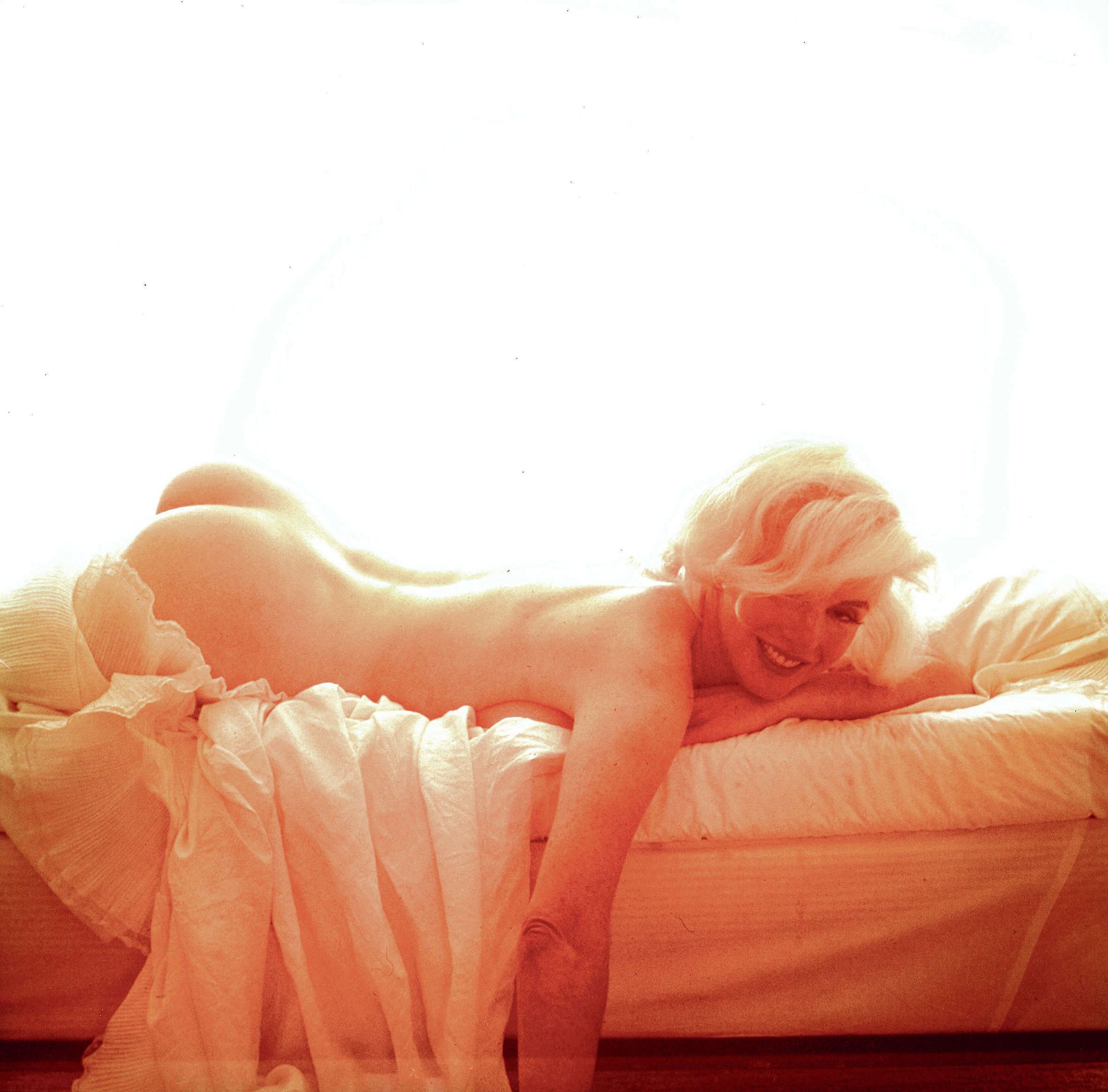
Marilyn Monroe’s nude imagery transcends mere taboo; it represents a pivotal intersection of art, commerce, and personal vulnerability in mid-20th-century America. Her willingness to participate in photographic sessions—ranging from high-fashion editorials to Playboy’s iconic 1962 cover—reshaped public perceptions of female sexuality, celebrity, and artistic expression. These images were not just products of their time but active participants in Monroe’s mythos, often exploited, censored, or romanticized to reinforce her status as a cultural icon. Understanding their historical context reveals how Monroe’s nude photography became a tool for both personal empowerment and industry manipulation, while also cementing her as a symbol of both liberation and objectification.
The cultural impact of Monroe’s nude imagery cannot be isolated from the broader societal shifts of the 1950s and 1960s, including the rise of consumerism, the sexual revolution, and the commodification of female beauty. Her photographs were strategically positioned to challenge and exploit prevailing norms, often blurring the lines between artistic integrity and commercial exploitation. This section explores the chronological development of Monroe’s nude imagery, its reception, and the enduring legacy of these images in pop culture, advertising, and historical discourse.

Chronological Breakdown of Monroe’s Most Infamous Nude Photoshoots and Their Cultural Significance
Monroe’s nude photography spans nearly a decade, from her early pin-up sessions in the late 1940s to her posthumous Playboy cover in 1962. Each photoshoot reflected the evolving dynamics between Monroe, the media, and the public, often serving as barometers for shifting attitudes toward female sexuality and celebrity. Below is a chronological overview of the most significant sessions, their intended purposes, and their lasting cultural resonance.
Monroe’s first known nude photographs were taken in 1949 by photographer Tom Kelley for Esquire magazine. These images, intended for a centerfold, were never published due to their perceived "vulgarity" by the magazine’s editors. Instead, they were leaked to Hustler in the 1970s, sparking controversy and reinforcing Monroe’s image as a forbidden figure. The rejection of these photos underscored the conservative censorship of the era, where even glamorous celebrities like Monroe were constrained by moral and editorial standards.
Table of Contents
- Marilyn Monroe’s Nude Imagery: The Evolution of an Iconic Legacy and Its Cultural Reinvention
- Chronological Breakdown of Monroe’s Most Infamous Nude Photoshoots and Their Cultural Significance
- Censorship, Alteration, and the Exploitation of Monroe’s Nude Imagery
- Monroe’s Personal Struggles and the Intent Behind Her Nude Photography
- Comparative Analysis: Original Intent vs. Public Perception of Monroe’s Nude Photography
- The Business of Marilyn Monroe’s Nude Imagery: Behind-the-Scenes Exclusivity and Financial Negotiations
- Financial Terms and Contractual Negotiations of Monroe’s Nude Shoots
- Exclusivity Enforcement and Legal Battles Over Image Rights
- Photographers’ Roles: Artistic Vision, Techniques, and Personal Relationships
- Posthumous Licensing and Monetization by Monroe’s Estate
- The Technology and Artistry of Monroe’s Nude Photographs: A Technical Deep Dive
- Cameras and Film Stocks: The Tools of an Era
- Lighting Setups: Sculpting Light and Shadow
- Post-Processing Techniques: Refining the Vision
In 1954, Monroe posed for Life magazine in a series of photographs that included nude studies. Photographer Milton Greene captured these images as part of a high-fashion editorial, but the magazine chose to publish only heavily cropped or partially obscured versions. The full, uncensored images remained hidden until decades later, when they surfaced in books and documentaries, revealing Monroe’s deliberate engagement with vulnerability and sensuality. Greene’s sessions were not just about commerce; they were artistic explorations of Monroe’s relationship with her own body, a theme she revisited throughout her career.
The most infamous of Monroe’s nude sessions occurred in 1962, just months before her death. Photographer Bert Stern conducted a series of intimate and provocative shoots for Vogue and Playboy. The Playboy cover, featuring Monroe in a sheer robe, became one of the most recognizable images of the 20th century. Stern’s photographs were marketed as a tribute to Monroe’s "natural beauty" and "uninhibited spirit," but they also capitalized on her tragic fame. The Playboy spread, in particular, was a calculated move by Hugh Hefner to leverage Monroe’s posthumous mystique, blending artistry with exploitation.
Censorship, Alteration, and the Exploitation of Monroe’s Nude Imagery
Monroe’s nude photographs were rarely published in their original form, often subjected to censorship, cropping, or outright refusal by media outlets. These alterations were not merely editorial decisions but reflections of the era’s moral and social constraints. The manipulation of her images reveals a broader pattern of how female celebrities—especially those with Monroe’s level of fame—were controlled by the industries that profited from their personas.
During Monroe’s lifetime, magazines like Life and Esquire frequently altered her nude photographs to comply with censorship laws and societal norms. For example, the 1954 Life session included images where Monroe’s face was obscured or her body partially covered. In some cases, entire negatives were destroyed if they did not meet the magazine’s standards. Monroe herself was aware of these practices; in a letter to Greene, she expressed frustration over the lack of control she had over how her images were presented, writing, "They always want to make me look like something I’m not."
The exploitation of Monroe’s nude imagery extended beyond her death. In 1962, Playboy published Stern’s photographs under the guise of a "tribute," but the timing—just weeks after her death—raised ethical questions. Hefner later admitted that the spread was partly a commercial strategy to boost sales, capitalizing on Monroe’s tragic legacy. Similarly, in the 1970s and 1980s, unauthorized publications and tabloids repackaged Monroe’s nude images for shock value, often without her family’s consent. The 1985 auction of her nude photographs by her estate further commodified her legacy, with some images selling for millions, reinforcing her status as a cultural artifact rather than a person.
Monroe’s Personal Struggles and the Intent Behind Her Nude Photography
Monroe’s participation in nude photography was not solely driven by financial gain or fame; it was also a response to her personal and professional challenges. Her letters, diaries, and interviews reveal a complex relationship with her own image, marked by both empowerment and exploitation. Monroe’s mental health struggles, industry pressures, and desire for creative control often collided with the expectations placed upon her as a star.
Monroe’s early career was defined by her struggles with self-worth and industry demands. She later reflected in her diary that she felt "like a piece of meat" in Hollywood, a sentiment that intensified as she became more involved in nude photography. Despite this, she saw these sessions as a way to reclaim agency over her body and career. In a 1954 letter to Greene, she wrote, "I want to do something that’s just for me, not for the studio or the fans." This duality—between vulnerability and defiance—is evident in her photographs, where she often posed with a mix of sensuality and introspection.
Financial necessity also played a role. Monroe was frequently underpaid and undervalued in her early years, and nude photography offered a lucrative alternative. The 1949 Esquire session, for instance, reportedly earned her $5,000—an enormous sum at the time—though the images were never published. Similarly, her Playboy shoot was negotiated as a way to secure her financial future, with Stern and Hefner promising her a share of the profits. However, her untimely death disrupted these plans, leaving her estate to monetize the images posthumously.
Monroe’s relationship with her nude photographs was further complicated by her fear of being reduced to a sexual object. In a 1962 interview with Look magazine, she stated, "I don’t want to be known just as a sex symbol. I want to be known as an actress." This tension between her artistic ambitions and the commercial realities of her career is a recurring theme in her correspondence. Her nude images, therefore, were both a means of self-expression and a concession to the industry’s demands—a balance she struggled to maintain.
Comparative Analysis: Original Intent vs. Public Perception of Monroe’s Nude Photography
The discrepancy between Monroe’s original intentions for her nude photography and its long-term public perception highlights the broader dynamics of celebrity commodification. Below is a comparative table outlining key sessions, their intended purposes, and how they were ultimately received by the public and media.
| Photoshoot | Year | Original Intent | Public Perception & Legacy | Cultural Impact |
|---|---|---|---|---|
| Tom Kelley for Esquire | 1949 | Financial gain; Monroe sought to establish herself as a serious actress and secure better roles. | Unpublished until leaked in the 1970s; later marketed as "forbidden" or "taboo" imagery. | Symbolized the censorship of female sexuality in mid-century America; became a trope in discussions of Monroe’s "hidden" side. |
| Milton Greene for Life | 1954 | Artistic exploration; Monroe wanted to push boundaries in fashion photography and assert creative control. | Heavily censored in publication; full images emerged posthumously, framed
The Business of Marilyn Monroe’s Nude Imagery: Behind-the-Scenes Exclusivity and Financial NegotiationsMarilyn Monroe’s nude imagery represents one of the most lucrative and legally contested aspects of her legacy, blending artistic collaboration, corporate exploitation, and familial financial survival. Behind the glamour of Hollywood’s golden age lay a complex web of contracts, legal battles, and monetization strategies that transformed Monroe’s private moments into commercial assets. From the clandestine negotiations of her early nude shoots to the high-stakes auctions of her estate’s archives, the financial and ethical dimensions of these images reveal how Monroe’s body became both a symbol of female empowerment and a commodity in perpetual demand. This exploration dissects the contractual frameworks, financial stakes, and power dynamics that defined the business of Monroe’s nude imagery, while examining the roles of photographers, her estate, and the cultural industries that capitalized on her iconic status.Financial Terms and Contractual Negotiations of Monroe’s Nude ShootsMonroe’s decision to pose nude was not merely artistic but a calculated financial move, reflecting both her ambition and the economic realities of Hollywood in the 1950s and 1960s. Her first nude sessions, conducted in 1949 with photographer Tom Kelley for Playboy (then an upstart publication), reportedly earned her $50,000—an extraordinary sum at the time, equivalent to roughly $600,000 today. The deal included strict exclusivity clauses, ensuring Playboy would be the sole publisher of the images for a specified period. However, Monroe’s team—particularly her business manager Milton Greene and husband Arthur Miller—negotiated additional protections, such as control over retouching and the right to approve any commercial use. These clauses were groundbreaking for the era, granting Monroe unprecedented agency over her own image, though they also set the stage for future disputes over ownership. Later shoots, including those with Milton Greene and Phil Stern, followed a similar pattern but with escalating financial stakes. Greene’s 1962 sessions, which resulted in the infamous "Last Sitting" photographs, reportedly paid Monroe $10,000 per print sold by Playboy, with Greene himself receiving a percentage of the profits. The contract also included a royalty structure, ensuring Monroe earned ongoing revenue from reprints—a rarity in the industry. Greene’s role extended beyond photography; he acted as Monroe’s confidant and business advisor, leveraging his connections in publishing to secure favorable terms. These negotiations were not without tension, as Monroe’s financial dependence on the deals clashed with her desire for creative control and personal privacy."Marilyn didn’t just sell photographs; she sold a myth. The contracts reflected that—she wasn’t just a model, she was a brand, and the terms had to protect that brand." — Anna Strasberg, Monroe’s stepdaughter and estate representative (quoted in Marilyn Monroe: The Last Sitting documentary, 2017).The financial agreements often included kill fees—payments to Monroe if the images were not published—and morality clauses, allowing her to reject prints she deemed unflattering. Yet, the contracts were not foolproof. Monroe’s estate later discovered loopholes, such as Playboy’s ability to publish derivative works (e.g., cropped or altered versions) without additional compensation. This oversight became a recurring issue in post-mortem licensing disputes. Exclusivity Enforcement and Legal Battles Over Image RightsThe enforcement of exclusivity in Monroe’s nude imagery was a cat-and-mouse game between her estate, photographers, and media outlets, culminating in several high-profile legal battles. The most infamous dispute involved Playboy’s 1973 publication of the "Last Sitting" photographs, 15 years after Monroe’s death. Her estate, represented by Lee Strasberg and later Anna Strasberg, argued that the publication violated the original contract’s exclusivity period. While the contract had expired, the estate claimed Playboy had breached an implied moral right to Monroe’s privacy and legacy. The lawsuit, filed in 1974, was settled out of court, with Playboy reportedly paying $750,000 (approximately $5 million today) for the rights to republish the images. The settlement was a landmark in celebrity image rights, establishing that estates could negotiate for posthumous compensation. However, the case also exposed the limitations of Monroe’s contracts: the original agreements had not anticipated digital reproduction or global distribution, leaving her estate vulnerable to exploitation. Another critical battle involved Life magazine’s unauthorized use of Monroe’s nude photographs in a 1962 spread titled "The Private World of Marilyn Monroe." The estate sued Life for $1.5 million, citing unauthorized reproduction. The case was dismissed on technical grounds, but it highlighted the lack of federal right-of-publicity laws at the time, forcing estates to rely on state-level copyright and privacy statutes. This legal ambiguity allowed other publications, such as Vogue and Vanity Fair, to publish Monroe’s images with minimal consequences, often under the guise of "artistic" or "historical" context."The law was not built for icons. Marilyn’s estate had to fight for every dollar, every print, every digital pixel. The system was designed to protect corporations, not the dead." — Lawrence Teicher, entertainment lawyer and author of The Law of Celebrity (2019).The 1976 Copyright Act amendments later strengthened posthumous rights, but by then, much of Monroe’s imagery had already entered the public domain through unauthorized reproductions. The estate’s struggles underscore a broader industry trend: the commodification of celebrity imagery often outpaces legal protections, leaving heirs to navigate a landscape where financial necessity can conflict with ethical preservation. Photographers’ Roles: Artistic Vision, Techniques, and Personal RelationshipsThe photographers who captured Monroe’s nude imagery were not merely technicians but collaborators who shaped her mythos through their artistic choices and personal relationships with her. Tom Kelley, the first to photograph her nude, approached the sessions with a documentary realism, aiming to portray Monroe as a vulnerable, relatable woman rather than a sex symbol. His images, published in Playboy’s 1953 issue, were soft-focused and intimate, emphasizing Monroe’s curves and expressions over explicitness. Kelley’s technique—using natural light and minimal retouching—reflected Monroe’s desire to be seen as human, not just an object of desire. In contrast, Milton Greene’s 1962 sessions for Playboy adopted a high-fashion aesthetic, blending glamour with eroticism. Greene, Monroe’s business partner and lover, directed her to strike poses that balanced sensuality with elegance, often using gold leaf, silk draperies, and dramatic lighting to evoke a dreamlike quality. His photographs, including the iconic "Last Sitting" images, became synonymous with Monroe’s later persona—a tragic, ethereal figure. Greene’s influence extended beyond the shoot; he advised Monroe on how to leverage the images for personal branding, suggesting she use them to negotiate better film roles and endorsements. Phil Stern, another key photographer, worked with Monroe in the early 1950s, producing images that were more explicit than Kelley’s but still aligned with Monroe’s vision of controlled sensuality. Stern’s photographs, later published in Hustler without Monroe’s consent, became a flashpoint in the estate’s legal battles. The disparity in Stern’s and Greene’s approaches highlights how Monroe’s image was curated differently for various audiences, from the mainstream Playboy market to underground publications."Marilyn didn’t want to be just another nude pin-up. She wanted the photos to tell a story—about her, about her struggles, about her dreams. That’s why she chose photographers who understood her soul, not just her body." — Milton Greene, in a 1980 interview with The New York Times.The personal dynamics between Monroe and her photographers were as significant as the technical execution. Greene’s dual role as lover and business partner gave him unprecedented access to Monroe’s psyche, while Kelley’s professional detachment allowed for a more clinical approach. These relationships often blurred the lines between art and exploitation, with Monroe sometimes feeling trapped by the financial dependencies these deals created. Posthumous Licensing and Monetization by Monroe’s EstateAfter Monroe’s death in 1962, her estate became the primary gatekeeper of her nude imagery, transforming grief into a multi-million-dollar industry. Lee Strasberg, Monroe’s mentor and posthumous guardian, initially resisted commercial exploitation, but financial pressures—including Monroe’s unpaid debts and legal fees—forced the estate to reconsider. By the 1970s, the Strasbergs had established Marilyn Monroe Productions, licensing Monroe’s images for calendars, posters, and even a 1973 Playboy centennialThe Technology and Artistry of Monroe’s Nude Photographs: A Technical Deep DiveMarilyn Monroe’s nude imagery transcends mere eroticism, embodying a fusion of mid-20th-century photographic innovation, artistic vision, and technical mastery. The photographs that immortalized her were not merely captured but crafted—a result of deliberate choices in equipment, lighting, post-processing, and even Monroe’s physical and psychological preparation. Behind the iconic frames lay a meticulous interplay of technology and artistry, where photographers like Tom Kelley and Andre de Dienes pushed the boundaries of photographic techniques available at the time. This exploration dissects the technical intricacies of Monroe’s nude shoots, from the cameras and film stocks that defined their era to the post-processing methods that refined their legacy, and the directing techniques that transformed Monroe into an enduring symbol of sensuality and vulnerability.Cameras and Film Stocks: The Tools of an EraThe equipment used in Monroe’s nude photographs reflects the technological limitations and artistic possibilities of the 1940s and 1950s. Photographers relied on large-format cameras to achieve the level of detail and depth required for such intimate imagery. Tom Kelley, Monroe’s husband and frequent collaborator, primarily used a 35mm Leica III and a 4x5 inch Graflex Speed Graphic, the latter favored for its ability to capture high-resolution images with a shallow depth of field. The Graflex, in particular, became synonymous with Monroe’s nude sessions due to its robust build and the flexibility it offered in studio and outdoor settings. For Andre de Dienes, another key photographer, the 35mm Contax II was the camera of choice, celebrated for its sharpness and the ability to produce fine-grained negatives. Both cameras utilized Leitz Summar lenses, known for their exceptional optical quality and wide aperture (f/1.4 or f/2), which allowed for soft, dreamy bokeh and controlled lighting effects. The selection of film stock was equally critical. Monroe’s sessions often employed Kodak Tri-X for its high sensitivity to light (ISO 200), enabling faster shutter speeds and reducing the need for excessive lighting—a practical consideration given the constraints of studio time and Monroe’s comfort. Film grain and resolution played a pivotal role in the final output. Tri-X, while versatile, introduced noticeable grain, which photographers mitigated through careful exposure and development. In contrast, Kodak Plus-X (ISO 125) was occasionally used for its finer grain, though it required more light. The choice between these stocks depended on the desired aesthetic: Tri-X lent a grittier, more textured look, while Plus-X yielded smoother, more polished results. Monroe’s iconic "subway grate" shot, for instance, was captured on Kodachrome, a color film that offered vibrant saturation and was less prone to fading—a testament to the evolving role of color photography in the mid-century.Lighting Setups: Sculpting Light and ShadowLighting in Monroe’s nude photographs was not merely functional but performative, designed to accentuate her curves, soften imperfections, and evoke a specific mood. Photographers employed three-point lighting—key light, fill light, and backlight—though the execution varied based on the desired effect. For Monroe’s images, soft, diffused lighting was paramount to avoid harsh shadows that might detract from her delicate features. Key Lighting: The primary light source, often positioned at a 45-degree angle to Monroe’s face or body, was typically a 1,000-watt photoflood bulb or a carbon arc lamp (a precursor to modern studio lights). These lights were diffused using silk or parchment umbrellas to create a gentle, even spread. In Kelley’s work, the key light was sometimes slightly feathered (partially blocked by a flag or scrim) to create subtle gradations of light across Monroe’s skin, enhancing the illusion of depth. For instance, in the "Afternoon in the Garden" series, the lighting was designed to mimic natural sunlight, with the key light positioned to cast a warm, golden glow over Monroe’s body while maintaining a soft shadow under her chin—a technique known as Rembrandt lighting. Fill Lighting: To soften shadows, photographers used a secondary light source placed opposite the key light, often at a lower intensity. This could be a smaller photoflood bulb or a reflector board positioned to bounce light onto Monroe’s face or torso. In some sessions, Monroe’s own skin tone was leveraged as a natural fill, with the lighting adjusted to ensure that her complexion remained even without overpowering the shadows. Backlighting and Rim Lighting: The third element introduced separation—a technique where a light placed behind Monroe created a luminous outline around her body or hair. This was achieved using a bare bulb or a small spotlight with a barndoor attachment to control the spill. The "subway grate" shot, for example, utilized backlighting to silhouette Monroe’s legs against the grate, while a fill light ensured her face remained visible. The result was a dynamic interplay of light and shadow that emphasized her form without relying on overt sensuality. Color Temperature and Gel Filters: In color sessions, photographers experimented with gel filters to manipulate the color temperature. For instance, a CTO (color temperature orange) gel might be used to warm up the light, complementing Monroe’s natural blonde tones. Conversely, CTB (color temperature blue) gels were occasionally employed to create cooler, more dramatic contrasts. The choice of film stock also influenced color rendition; Kodachrome, used in some of Monroe’s later work, was renowned for its accurate color reproduction and stability over time.Post-Processing Techniques: Refining the VisionThe final polish of Monroe’s nude photographs was as much an art as the shooting itself. Post-processing in the mid-20th century involved a combination of darkroom techniques, retouching, and airbrushing, all executed with meticulous precision. The goal was to enhance Monroe’s features while maintaining a sense of realism—no easy feat given the limitations of the era. Darkroom Development: Negatives were developed using D-76 or Rodinal developer, with exposure times carefully calibrated to achieve the desired contrast. Prints were made on Kodak Velox or Glossy Paper, which offered a lustrous finish ideal for fashion and nude photography. Dodging and burning—a technique where the photographer partially blocks light (dodging) or increases exposure (burning) in specific areas—was extensively used to sculpt Monroe’s form. For example, dodging might lighten the shadows under her breasts to avoid a "heavy" appearance, while burning could darken the edges of her hair for a more dramatic silhouette. Retouching and Airbrushing: Before digital tools, retouching was done by hand using India ink, gouache, or airbrushes. Photographers like Kelley employed tracing paper to map out adjustments, such as softening blemishes or refining Monroe’s eyebrows. Airbrushing was reserved for more subtle corrections, such as smoothing skin texture or enhancing the luminosity of her skin. Notably, Monroe’s freckles and minor imperfections were often left untouched to maintain her authenticity, though some images saw selective retouching to align with the era’s beauty standards. Color Correction: In color prints, color correction was a painstaking process. Photographers used color heads (specialized filters) to adjust imbalances in the negative, such as magenta or cyan casts. For instance, if Monroe’s skin appeared too cool, a warming filter might be applied during printing. The "Afternoon in the Garden" series required careful color balancing to ensure the greenery and Monroe’s skin tones harmonized naturally. Archival records suggest that Kodak’s own color correction guides were consulted to achieve consistency across multiple prints. Modern Digital Restoration: Preservation vs. Interpretation The advent of digital technology has transformed how Monroe’s nude images are viewed and preserved. High-resolution scanning and AI upscaling (e.g., using tools like Topaz Gigapixel or Adobe Super Resolution) have allowed for the recovery of fine details lost in original prints. However, these processes introduce interpretive challenges. For example, digital restoration can amplify grain or artifacts, leading to a "noisy" appearance if not carefully managed. Conversely, over-smoothing can strip away the organic texture of the original film. A side-by-side comparison of an original print and a digitally restored version reveals stark differences:Marilyn Monroe’s nude images are more than just photographs—they are a testament to the power of visual storytelling, the economics of fame, and the enduring fascination with the woman behind the blonde bombshell persona. From the carefully negotiated contracts that defined their creation to the modern-day auctions that turn them into million-dollar commodities, these images continue to spark conversations about consent, legacy, and the commercialization of personal history. What began as a strategic move in Monroe’s career has now cemented her status as a cultural icon, proving that even in vulnerability, there lies an unmatched form of immortality. As technology and society evolve, so too does our relationship with these images, ensuring Monroe’s nude legacy remains as relevant—and as debated—as ever. |
Leave a Comment
Comments are moderated before appearing. The data you submit is processed according to the Privacy Policy of Amigoskings.