Free Premium Link nude woman pencil drawing sources tools techniques guide

Artists and enthusiasts constantly seek high-quality references to refine their skills, and free premium nude woman pencil drawings remain a cornerstone of classical and contemporary artistic practice. These sketches serve as more than just visual aids—they embody centuries of anatomical study, cultural evolution, and technical mastery, bridging the gap between tradition and innovation.
The demand for accessible yet professional-grade sketches stems from their dual role as both educational tools and aesthetic inspirations. From Renaissance masters like Leonardo da Vinci to modern digital artists, the nude figure has been pivotal in training the eye to capture proportions, shading, and expressive gestures. Yet, as digital platforms expand, navigating the ethical and legal landscape of sourcing these drawings—without compromising artistic integrity or violating copyright—has become increasingly complex.
The Artistic and Cultural Significance of Nude Woman Pencil Drawings in Art History

The depiction of the nude female form has been a cornerstone of artistic expression since antiquity, evolving through centuries as both a technical challenge and a cultural statement. Pencil drawings of nude women, in particular, occupy a unique space in the art world, bridging the gap between spontaneous sketching and meticulous studio work. These drawings serve as foundational studies for painters, standalone artworks, and even commercial illustrations, reflecting broader shifts in artistic philosophy, anatomy understanding, and societal norms. From the Renaissance’s emphasis on anatomical precision to contemporary digital reinterpretations, pencil sketches of nude figures remain a dynamic medium that challenges artists to master light, form, and emotion through minimalistic yet expressive lines.
Classical Foundations and the Evolution of Nude Figure Studies
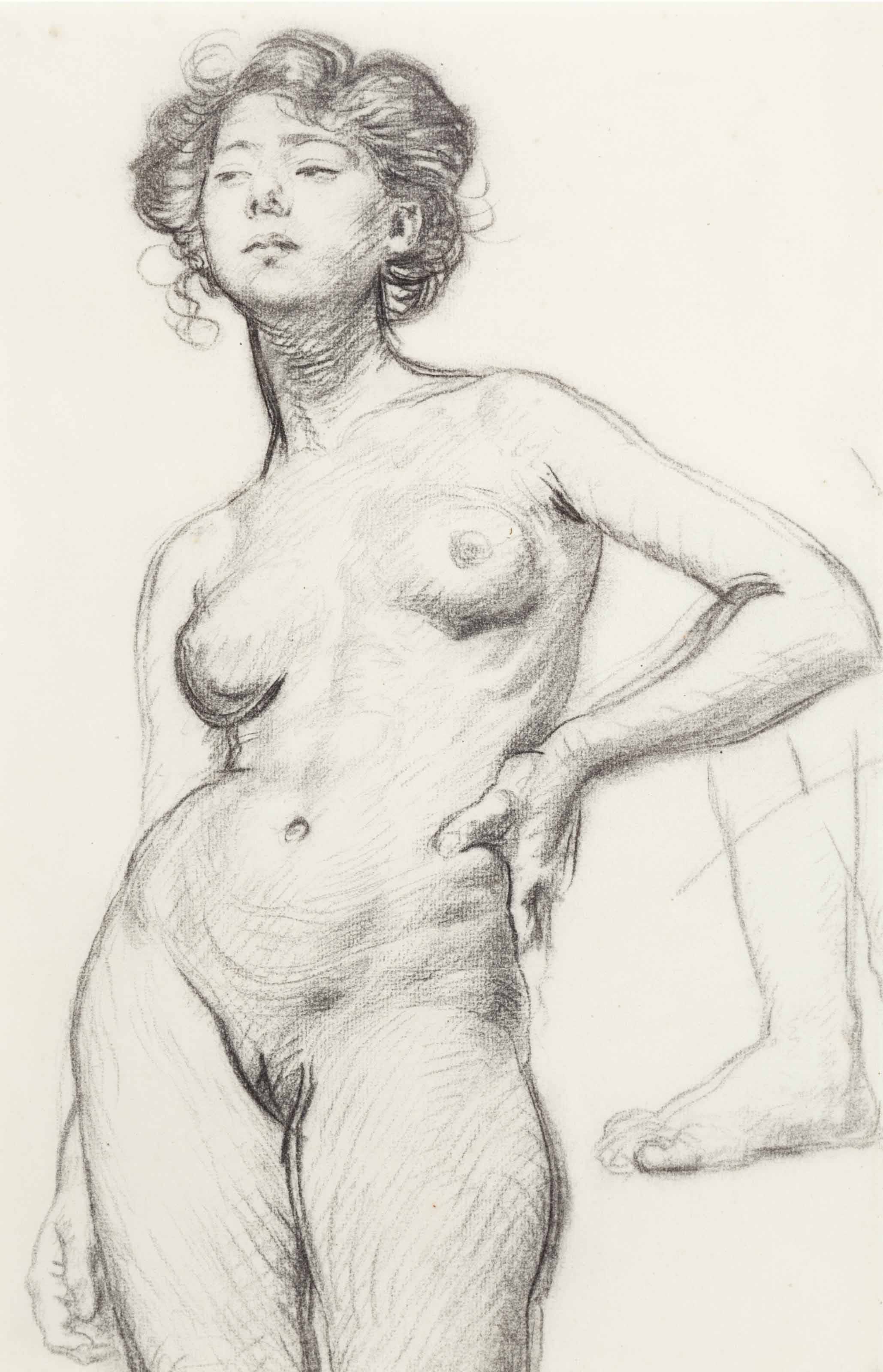
The tradition of depicting the nude female form in art traces back to ancient civilizations, where figures like the Venus of Willendorf (c. 28,000–25,000 BCE) symbolized fertility and divine beauty. However, it was during the Renaissance (14th–17th centuries) that the study of the human body—particularly the nude—became systematized. Artists such as Leonardo da Vinci and Michelangelo treated nude sketches as essential tools for understanding anatomy, often creating sfumato (smoky) pencil studies to capture subtle transitions in flesh tones. These works were not merely preparatory but also standalone explorations of form, with Michelangelo’s Studies for the Sistine Chapel (1508–1512) demonstrating how pencil shading could convey muscle tension and drapery with remarkable realism.
The 18th and 19th centuries saw the rise of academic drawing, where nude studies became a staple in art schools. Institutions like the Parisian Académie des Beaux-Arts required students to master the female form through plaster casts and live models, producing thousands of pencil sketches that emphasized contrapposto (weight-shifted poses) and chiaroscuro (light-dark contrast). Meanwhile, Romanticism introduced a more emotional and less rigid approach, with artists like Eugène Delacroix using loose, gestural pencil lines to convey movement and passion. By the late 19th century, Impressionism and Post-Impressionism further liberated the medium, as Edgar Degas and Pierre-Auguste Renoir employed rapid, sketch-like pencil works to capture fleeting moments of intimacy and vulnerability in their compositions.
Technical Mastery: Light, Shading, and Line Work in Pencil Sketches
The appeal of pencil drawings lies in their ability to simulate the complexity of human skin through gradation and texture. Unlike paint, which blends optically, graphite relies on physical layering—from light hatching to dense cross-hatching—to create depth. Artists employ several techniques to achieve realism: - Sfumato: A Renaissance technique where tones are blended softly to simulate the translucency of skin (e.g., Leonardo’s Study of a Woman’s Head, c. 1500). - Stippling: Using dots to build up form, favored by Albrecht Dürer for its precision in rendering textures like hair and fabric. - Chiaroscuro: Dramatic lighting effects, as seen in Caravaggio’s influenced sketches, where shadows define volume. - Expressive Line Work: Modern artists like Egon Schiele used jagged, emotional lines to convey psychological intensity rather than anatomical accuracy.
Table of Contents
- The Artistic and Cultural Significance of Nude Woman Pencil Drawings in Art History
- Classical Foundations and the Evolution of Nude Figure Studies
- Technical Mastery: Light, Shading, and Line Work in Pencil Sketches
- Famous Female Figures in Pencil Sketches and Their Legacy
- Traditional vs. Digital Pencil Drawings: Textures and Techniques
- Why Artists Seek High-Quality Nude Figure Pencil Drawings
- Legal, Ethical, and Artistic Considerations: Free vs. Paid Resources
- Where to Find Free Premium-Quality Nude Woman Pencil Drawings
- Reputable Platforms for Free High-Quality Nude Pencil Drawings
- Step-by-Step Guide to Searching and Downloading Legally
- Characteristics of Premium-Quality Pencil Drawings
- Organizing Downloaded Drawings by Category
- Using Reverse Image Search to Verify Authenticity
- Evaluating an Artist’s Portfolio for Consistency
- Ethical and Legal Checklist for Downloading Nude Art
- Mastering Techniques and Tools for Nude Pencil Drawings: From Traditional to Digital
- Foundational Pencil Drawing Techniques for Nude Figures
- Selecting Pencils and Papers for Nude Figure Sketches
- Step-by-Step Guide to Anatomical Proportions and Gestures
- Enhancing Shading and Lighting for Three-Dimensional Effects
- Digital Enhancement of Pencil Sketches: Tools and Techniques
- Comparison Table: Traditional vs. Digital Tools for Pencil Drawings
- Ethical and Legal Considerations When Using Free Nude Drawings
- Legal Risks Associated with Downloading or Distributing Nude Content
- Platforms and Licensing Terms for Free Nude Drawings
- Ethical Implications of Using Free Nude Drawings
- Techniques for Creating Original Content Inspired by Free Drawings
- Inspiration and Creative Projects Using Free Nude Pencil Drawings
- Creative Projects Inspired by Free Nude Pencil Drawings
- Transforming Pencil Sketches into Other Mediums: Step-by-Step Techniques
- Artists Who Used Free Nude Drawings as Foundations for Original Work
Digital pencil drawings, meanwhile, leverage tools like Wacom tablets and software (e.g., Procreate, Krita) to mimic traditional textures with brush engines that simulate graphite grit. However, digital works often prioritize speed and versatility, allowing artists to experiment with layering effects and non-destructive edits—features impossible in physical pencil sketches.
Famous Female Figures in Pencil Sketches and Their Legacy
Several iconic female figures in art history have been immortalized in pencil, each influencing generations of artists: - Venus Pudica: The "modest Venus" pose, depicted in sketches like Sandro Botticelli’s Preliminary Studies for Birth of Venus (c. 1485), symbolized purity and grace, becoming a template for academic nude studies. - Olympia by Manet (1863): Though primarily a painting, Édouard Manet’s preparatory pencil sketches challenged classical ideals by portraying a courtesan with unflinching realism, inspiring later modernist and surrealist interpretations. - Frida Kahlo’s Self-Portraits: Her pencil and ink works, such as The Two Fridas (1939), used stark lines to explore identity and pain, bridging folk art and modernism. - Yayoi Kusama’s Infinity Nets: While not strictly nude, her obsessional pencil sketches of repetitive patterns reflect a minimalist approach to form, influencing contemporary figure studies.
These examples demonstrate how pencil sketches transcend their preparatory role, becoming manifestoes of artistic rebellion, psychological depth, or technical innovation.
Traditional vs. Digital Pencil Drawings: Textures and Techniques
The choice between traditional and digital pencil drawing hinges on texture, workflow, and artistic intent. Traditional pencil sketches offer tactile feedback and unpredictable marks, where every stroke reveals the artist’s hand. Techniques like side-of-lead shading (using the softer side of the pencil) create velvety tones, while paper grain adds organic variation. Digital drawings, however, provide infinite undo options and customizable brushes, allowing artists to replicate textures or experiment with glowing edges and smudge effects unattainable with graphite.
| Aspect | Traditional Pencil | Digital Pencil |
|---|---|---|
| Texture | Organic, varies with paper and pencil type | Simulated, often overly smooth or plastic |
| Erasability | Permanent; mistakes require layering or white gel pen | Fully editable; layers can be adjusted |
| Speed | Slower; limited by physical constraints | Faster; supports shortcuts and automation |
| Cost | Low (paper, pencils) | High (tablet, software, stylus) |
| Portability | Limited by physical size | Highly portable; works on any device |
| Legal/Ethical Risks | Lower (physical copies harder to distribute) | Higher (easy to share and duplicate) |
While digital tools democratize access to high-quality sketches, traditional methods retain a cultural cachet, valued for their imperfections and authenticity.
Why Artists Seek High-Quality Nude Figure Pencil Drawings
The pursuit of premium nude pencil drawings stems from three primary motivations: 1. Skill Development: Mastering the female form requires understanding proportions, musculature, and subtle anatomical variations (e.g., breast asymmetry, ribcage curvature). High-quality sketches serve as reference models for students and professionals alike. 2. Aesthetic Inspiration: Artists often study composition, lighting, and mood in existing works to refine their own style. For instance, Albrecht Altdorfer’s dramatic landscapes influenced surrealist depictions of the nude body. 3. Creative Exploration: Pencil sketches allow artists to experiment with abstraction (e.g., Pablo Picasso’s fragmented figures) or hyper-realism (e.g., Andrew Wyeth’s detailed graphite works) without the constraints of color or medium.
Additionally, commercial illustrators and animators rely on nude figure studies to block out poses and understand weight distribution, ensuring dynamic and believable characters. The anatomical accuracy in sketches like those by Charles Bargue (a 19th-century drawing instructor) remains a benchmark for aspiring artists.
Legal, Ethical, and Artistic Considerations: Free vs. Paid Resources
The accessibility of free nude pencil drawings raises complex legal, ethical, and artistic dilemmas, particularly regarding copyright, consent, and quality.
| Factor | Free Resources | Paid Resources |
|---|---|---|
| Legal Risks | High (potential copyright infringement, stolen work) | Low (licensed, original content) |
| Ethical Concerns | Questionable (models may not consent to distribution) | Ethical (professional models, clear contracts) |
| Quality | Variable (low resolution, amateur work) | High (professional-grade, detailed) |
| Artistic Growth | Limited (lack of structured learning) | Enhanced (expert guidance, critiques) |
Where to Find Free Premium-Quality Nude Woman Pencil Drawings
Exploring free, high-quality nude woman pencil drawings requires navigating a landscape of artistic communities, digital platforms, and ethical considerations. While the internet offers vast resources, distinguishing between premium-quality sketches and subpar or unethically sourced content demands a structured approach. This section identifies reputable platforms, outlines methods for ethical sourcing, and provides criteria to assess artistic merit, ensuring users can curate a collection of sketches that align with both legal and aesthetic standards.
Reputable Platforms for Free High-Quality Nude Pencil Drawings
Free premium-quality nude pencil drawings are primarily shared on artist-centric platforms that prioritize creativity, community engagement, and ethical content sharing. DeviantArt, one of the largest online art communities, hosts thousands of pencil sketches under categories like "figure drawing," "nude studies," or "realism." Artists often upload works under Creative Commons (CC) licenses, allowing free use with attribution. ArtStation, another professional-grade platform, features curated galleries where artists showcase their portfolios, including pencil sketches, with some offering free downloads under specific terms. Pinterest serves as a visual discovery tool, aggregating links to artists’ original works or shared galleries, though users must verify sources directly.
Smaller, niche communities such as Newgrounds, FurAffinity (for furry art, though not exclusively nude), and Sketchfab (for 3D artists but also hosting 2D sketches) provide alternatives. Reddit communities like r/FigureDrawing or r/ArtFundamentals frequently feature free sketch shares, with artists adhering to subreddit rules on NSFW content. Additionally, Behance and Dribbble occasionally host freebies or promotional sketches, though their primary focus is portfolio showcasing.
For those seeking open-source or public-domain works, Wikimedia Commons and Europeana occasionally include historical nude studies, though modern free sketches are rare. OpenPeeps, a project by Hugging Face, offers a dataset of stylized human figures, including pencil-like illustrations, under an open license—ideal for non-commercial use.
Step-by-Step Guide to Searching and Downloading Legally
Locating free premium-quality pencil drawings involves strategic keyword usage, filtering, and adherence to platform guidelines. Begin by selecting a platform and refining searches with specific tags such as "high-res pencil drawing," "anatomically accurate nude," or "realism study." On DeviantArt, use the search bar and apply filters for "Free for personal use" or "Creative Commons Zero (CC0)." On ArtStation, navigate to the "Freebies" section or sort by "Downloads" to find shareable works.
For Pinterest, create a board dedicated to pencil drawings and save pins labeled "free download" or "public domain." Use Google Images with advanced search filters: set "Usage Rights" to "Creative Commons licenses" or "Free to use/share," and refine by "Type: Drawing." Avoid platforms like Flickr or Instagram unless the artist explicitly permits free use, as default settings often restrict redistribution.
Step-by-step download process: 1. Verify the license: Check the artist’s description for terms like "Free for non-commercial use" or "Attribution required." 2. Download in highest resolution: Right-click the image and select "Save image as" or use platform-specific download options (e.g., DeviantArt’s "Download" button). 3. Cite the artist: If required, note the artist’s name and platform link for attribution. 4. Avoid watermarked images: Premium-quality sketches typically offer unwatermarked versions in their descriptions.
Characteristics of Premium-Quality Pencil Drawings
Premium-quality nude pencil drawings exhibit technical precision, artistic depth, and visual appeal. Key traits include: - Resolution: Minimum 300 DPI for print-quality; 1920x1080px or higher for digital use. - Detail: Intricate linework, subtle shading, and anatomical accuracy (e.g., muscle definition, proportion). - Artistic Execution: Dynamic poses, realistic textures (e.g., skin tone gradients), and composition (rule of thirds, focal points). - File Format: PNG (for transparency) or TIFF (for lossless quality) over JPEG (which compresses details).
To verify quality before downloading: - Zoom in: Check for smooth gradients and clean lines without pixelation. - Cross-reference: Compare the sketch to the artist’s portfolio for consistency in style. - Download test files: Some platforms allow previewing full-resolution versions before committing.
Organizing Downloaded Drawings by Category
Efficient organization enhances accessibility and usability. Create a folder hierarchy on your device with the following structure: ``` Main Folder: "Nude Pencil Sketches" │── By Pose (e.g., "Seated," "Dynamic," "Reclining") │── By Style (e.g., "Realism," "Anime-Inspired," "Impressionistic") │── By Artist (e.g., "ArtistName_Collection") │── By Resolution (e.g., "High-Res," "Medium-Res") │── Miscellaneous (e.g., "WIP," "Studies") ```
Use subfolders for further refinement, such as "Anatomy Focus" or "Emotional Expressions." Name files descriptively (e.g., "ArtistName_NudeStudy_Seated_2023.png") to facilitate future searches. Tools like Windows Explorer or macOS Finder allow tagging or metadata addition for advanced sorting.
For digital artists, integrate sketches into asset libraries (e.g., Clip Studio Paint’s asset store or Adobe Illustrator’s libraries) for seamless project integration.
Using Reverse Image Search to Verify Authenticity
Reverse image search tools like Google Images, TinEye, or Yandex Images help confirm an image’s source and detect duplicates or copyright violations. Upload the downloaded sketch to these tools to: - Identify the original artist: Cross-check if the image appears on paid stock sites (e.g., Shutterstock, Adobe Stock). - Detect AI-generated or traced images: Low-quality or overly symmetrical sketches may originate from AI tools like MidJourney or Stable Diffusion. - Check for reposting: If the image appears on multiple platforms without attribution, it may have been shared without permission.
Example workflow: 1. Right-click the downloaded image → "Search Google for this image." 2. Review results for artist credits, platform links, or similar images. 3. If the source is unclear, contact the artist via platform messages for clarification.
Evaluating an Artist’s Portfolio for Consistency
Assessing an artist’s portfolio ensures reliability in quality and style. Key evaluation criteria include: - Technical Skill: Review linework consistency, shading techniques, and anatomical accuracy across multiple sketches. - Style Variety: High-quality artists often demonstrate versatility (e.g., realism, semi-realism, stylized). - Engagement Metrics: Follower count, comments, and shares on platforms indicate popularity and community trust. - Originality: Avoid artists with heavily traced or AI-assisted works; original sketches show unique brushwork or textures.
Red flags: - Overly uniform shading (suggests AI or heavy filtering). - Lack of process images (e.g., sketches, studies) in their portfolio. - Inconsistent resolution across uploaded works.
Ethical and Legal Checklist for Downloading Nude Art
To ensure compliance with copyright and ethical standards, use this checklist before downloading:
"Supporting artists is not just about legality—it’s about sustaining creativity. Always prioritize original works, follow licensing terms, and contribute to artists’ livelihoods when possible."
Checklist: - [ ] License Verification: Confirm the image is labeled "Free for personal use," "CC0," or "Public Domain." - [ ] Attribution: Note the artist’s name and platform link if attribution is required. - [ ] Platform Reputation: Avoid NSFW-only sites or platforms with a history of copyright infringement claims. - [ ] Resolution and Quality: Ensure the image meets premium standards (DPI, detail, format). - [ ] Artist’s Terms: Respect additional rules (e.g., "No commercial use"). - [ ] Reverse Search: Verify the image’s origin to avoid stolen or AI-generated content. - [ ] Support Directly: Follow the artist on social media, share their work, or purchase originals if possible.
Mastering Techniques and Tools for Nude Pencil Drawings: From Traditional to Digital
The creation of nude pencil drawings demands a blend of technical skill, anatomical knowledge, and an understanding of materials to achieve depth, realism, and emotional resonance. Whether working traditionally with graphite or digitally with software like Procreate, artists rely on refined techniques to translate the human form onto paper or screen. This section explores foundational drawing methods, material selection, anatomical precision, and the integration of digital tools to enhance traditional sketches. Additionally, ethical practices for using references and digitizing artwork for portfolios are addressed to ensure artists can refine their craft while adhering to professional standards.
Foundational Pencil Drawing Techniques for Nude Figures
Nude figure drawings benefit from techniques that emphasize form, texture, and volume. Hatching involves drawing parallel lines to create shading, ideal for subtle gradients in skin tones. Cross-hatching layers intersecting lines for deeper shadows, while blending softens edges to mimic smooth transitions in flesh. Stippling, using dots of varying density, adds texture and depth, particularly useful for highlighting muscle definition or delicate features. Each technique contributes uniquely to the illusion of three-dimensionality, with hatching and cross-hatching excelling in high-contrast areas (e.g., underarms, groin) and blending suited for gradual tonal shifts (e.g., shoulders, breasts).
For dynamic compositions, gesture drawing captures the essence of movement through loose, flowing lines before refining details. Artists often use construction lines to map proportions, ensuring anatomical accuracy before committing to final strokes. Sfumato, a technique popularized by Leonardo da Vinci, involves blending colors or tones so subtly that no lines are visible, creating a smoky, lifelike effect—particularly effective for depicting soft skin transitions.
"The hand that holds the pencil must move as if dancing—controlled yet fluid—to translate the human form with both precision and soul." — Kim Jung Gi, renowned figurative artist.
Selecting Pencils and Papers for Nude Figure Sketches
The choice of materials significantly impacts the outcome of a nude pencil drawing. Graphite pencils, ranging from hard (e.g., 2H for light sketching) to soft (e.g., 6B for deep blacks), offer versatility. Hard pencils create fine lines and sharp details, while soft grades excel in blending and dark shadows. Charcoal (vine or compressed) provides bold contrasts and is favored for dramatic lighting effects, though it smudges easily. Colored pencils introduce vibrancy, useful for adding subtle undertones or correcting skin tones digitally later.
Paper texture plays a critical role: rough papers (e.g., pastel paper) enhance grainy textures, ideal for expressive sketches, while smooth surfaces (e.g., Bristol board) allow for precise lines and smooth shading. Textured papers like Fabriano Rosaspina or Strathmore 400 Series are popular for their tooth, which holds graphite well without excessive smudging. Artists often use toned papers (e.g., light gray or warm beige) to establish mid-tones, reducing the need for excessive layering.
"A nude drawing is not about perfection but about capturing the spirit of the form—materials should serve this truth, not obscure it." — Alberto Giacometti, sculptor and draftsman.
Step-by-Step Guide to Anatomical Proportions and Gestures
Accurate depiction of the nude figure hinges on understanding proportional landmarks and gesture dynamics. Artists typically divide the body into 8–10 head lengths for adults, with key measurements including: - Shoulders to hips: ~1.5–2 heads (varies by body type). - Hips to knees: ~1.5 heads. - Knees to feet: ~2 heads. - Arms: Shoulder to fingertips ~equal to torso length; elbow to wrist ~half the arm length.
Joints act as pivot points: the shoulder joint (where the humerus meets the torso) and hip joint (where the femur connects) dictate arm and leg positioning. Weight distribution is visualized through contour lines—the body’s outer edges—while muscle groups (e.g., deltoids, quadriceps) are simplified into basic shapes (ovals, triangles) before refining.
To capture gesture, artists use thumbnails: quick, 30-second sketches focusing on pose and flow. Foreshortening (e.g., a leg extending toward the viewer) is practiced by measuring along the length of the limb, not the flat plane of the paper. Negative space—the area around the figure—helps define proportions and balance.
- Step 1: Block In the Pose Use light construction lines to map the figure’s gesture, emphasizing the longest line (often the spine or extended limb). Avoid over-detailing at this stage.
- Step 2: Establish Landmarks Mark key joints (shoulders, elbows, hips, knees) and measurements (e.g., head lengths) with dots or short dashes. Adjust proportions if the pose feels unnatural.
- Step 3: Refine Contours Draw the outer edges of the figure, focusing on the negative space between limbs. Use plumb lines (vertical guides) to check alignment.
- Step 4: Add Muscle and Subtle Details Layer in basic muscle shapes (e.g., trapezius, glutes) with directional strokes following the body’s natural curves. Avoid rigid outlines; skin should appear soft and continuous.
- Step 5: Shade for Depth Use form shadows (where light recedes) and cast shadows (projected onto surfaces) to define volume. Test lighting with a single light source (e.g., top-left) for consistency.
Enhancing Shading and Lighting for Three-Dimensional Effects
Lighting transforms a flat sketch into a lifelike representation. The three-point lighting system—key light (main source), fill light (softens shadows), and rim light (highlights edges)—is adaptable to pencil drawings. For realism: - Gradients: Blend graphite from dark to light using a tortillon (blending stump) or finger, avoiding harsh lines. - Highlight Placement: Skin reflects light subtly; use white gel pen or erase graphite for bright spots (e.g., clavicle, collarbone). - Core Shadows: Deepest shadows occur where limbs meet (e.g., under breasts, armpits). Build layers gradually to avoid muddy tones. - Atmospheric Perspective: Distant areas (e.g., legs in foreshortening) appear lighter and less detailed due to atmospheric haze.
"Light is the sculptor of form—master it, and the pencil becomes a chisel." — Andrew Loomis, illustrator and anatomy expert.
Digital Enhancement of Pencil Sketches: Tools and Techniques
Digital tools extend traditional pencil drawings with layering, texture overlays, and color adjustments. Software like Procreate, Krita, and Photoshop allows artists to: - Scan and Vectorize: Use Adobe Scan or Camera app (iOS) to digitize sketches, then refine with Adobe Illustrator’s Image Trace for clean linework. - Layer Effects: Add texture layers (e.g., paper grain, noise) via Photoshop’s Filter Gallery or Procreate’s Texture Brushes to mimic traditional media. - Color Integration: Apply colored pencils digitally using Krita’s Stabilizers for smooth strokes or Photoshop’s Color Dodge to enhance skin tones. - Lighting Adjustments: Use adjustment layers (e.g., Curves, Levels) to heighten contrast or HDR merge for dramatic lighting effects.
"Digital tools don’t replace skill—they amplify it. A weak drawing remains weak, even with filters." — Loish, digital artist.
Comparison Table: Traditional vs. Digital Tools for Pencil Drawings
| Criteria | Traditional Tools | Digital Tools |
|---|---|---|
| Cost | Low to moderate (pencils, paper, erasers). | High (software subscriptions, tablets). |
| Accessibility | Immediate; no setup required. | Requires hardware (e.g., iPad, Wacom tablet). |
| Learning Curve | Steep for mastering materials/techniques. | Moderate (software functions + drawing skills). |
| Eras |
Ethical and Legal Considerations When Using Free Nude Drawings
The intersection of artistic expression and legal boundaries becomes particularly complex when dealing with nude drawings, especially when they are shared freely online. While the accessibility of high-quality artwork can inspire creativity, it also introduces risks related to copyright infringement, platform restrictions, and ethical obligations toward artists. Understanding these considerations ensures that users navigate digital art resources responsibly, avoiding legal repercussions while fostering a culture of respect for intellectual property and artistic integrity. Below is a structured breakdown of the key challenges, guidelines for ethical use, and practical steps to ensure compliance with legal and ethical standards.
Legal Risks Associated with Downloading or Distributing Nude Content
Nude figure drawings often fall under strict legal protections due to their artistic and potentially sensitive nature. Copyright infringement is the primary legal risk when using or redistributing artwork without explicit permission. Under most jurisdictions, including the U.S. Copyright Act (17 U.S.C. § 102) and the EU Copyright Directive (2019/790), original artistic works—including pencil drawings—are automatically protected from the moment of creation. Unauthorized reproduction, distribution, or derivative works can lead to cease-and-desist letters, fines, or lawsuits, particularly if the artwork is used commercially.
Platform restrictions further complicate the landscape. Many websites and social media platforms enforce Community Guidelines or Terms of Service that prohibit the sharing of explicit or unlicensed content. For example: - Reddit bans the distribution of unoriginal or copyrighted nude art in subreddits like r/ArtFundamentals unless it is clearly labeled as fan art, public domain, or under a permissive license. - Tumblr has historically been stricter, requiring NSFW (Not Safe For Work) tags and prohibiting explicit derivative works without consent. - Patreon allows artists to set exclusive licensing terms, meaning patrons may only use their work under specific conditions (e.g., non-commercial use, proper attribution).
In 2021, the U.S. Copyright Office issued warnings to artists and platforms about unauthorized reselling of digital art, including nude drawings, which can trigger legal action under DMCA (Digital Millennium Copyright Act) takedown requests. High-profile cases, such as the 2020 lawsuit against DeviantArt for failing to remove infringing content, highlight the importance of adherence to licensing agreements.
Platforms and Licensing Terms for Free Nude Drawings
Not all free nude drawings are created equal—many artists explicitly define how their work can be used through licensing frameworks. Understanding these terms helps users avoid legal pitfalls while supporting creators. Below are common platforms and their associated licensing models:
Key Licensing Terms in Nude Figure Art:
Creative Commons (CC) Licenses: Permissive frameworks allowing reuse with specific conditions (e.g., CC BY-NC-ND = Attribution, Non-Commercial, No Derivatives). Public Domain (PD): Works with no restrictions, often due to expiration of copyright (e.g., drawings by Albrecht Dürer or Gustave Courbet from the 19th century). All Rights Reserved: Default copyright status; requires explicit permission for any use. Non-Commercial Use: Restricts monetization but allows personal or educational use.
Examples of Platforms and Their Policies:
- DeviantArt
- Artists can apply Custom Licenses (e.g., "Free for personal use, credit required").
- Default setting is "All Rights Reserved", so users must check individual artist pages.
- Pro Tip: Filter searches using the "Free for Commercial Use" tag to find legally safe options.
- ArtStation
- Primarily used for portfolio showcase, but some artists offer limited free downloads under CC licenses.
- Commercial use often requires direct permission from the artist.
- Flickr (Under Creative Commons)
- Many photographers and artists upload nude studies under CC BY or CC BY-SA, allowing derivatives with attribution.
- Example: Search "nude figure study" + "CC BY" to find legally reusable works.
- Patreon (Artist-Driven Licensing)
- Artists may offer exclusive perks, such as high-resolution downloads for patrons only.
- Licensing is negotiated per creator; some allow derivatives, while others prohibit redistribution.
- Reddit (r/ArtFundamentals, r/FigureDrawing)
- Most posts are unlicensed; users should assume "All Rights Reserved" unless stated otherwise.
- Allowed: Personal study sketches for learning purposes.
- Prohibited: Redistributing or selling without permission.
Case Study: In 2019, an independent artist sued a print-on-demand company for selling posters of their nude pencil drawings without authorization, resulting in a $50,000 settlement. This case underscores the need to verify licensing before commercial use, even on platforms that appear to allow free downloads.
Ethical Implications of Using Free Nude Drawings
Beyond legal risks, ethical considerations shape how artists and users interact with nude figure drawings. Supporting artists financially—whether through Patreon, Ko-fi, or direct commissions—ensures they can continue creating without exploitation. Conversely, free riding (using artwork without compensation or credit) contributes to the undervaluation of artistic labor, particularly in niche genres like figure drawing.
Key Ethical Practices:
- Attribution and Credit
- Always include the artist’s name, username, or platform link when sharing or using derivative works.
- Example format: > "Inspired by [Artist Name]’s work (Original: [Link]) – All rights reserved."
- Financial Support
- If using an artist’s work for commercial projects, consider purchasing a license or donating to their Patreon.
- Platforms like Gumroad allow artists to sell pre-approved licenses for specific uses.
- Avoiding Exploitation
- Non-consensual derivatives (e.g., altering an artist’s work to imply endorsement without permission) are unethical.
- Reinterpretation vs. Plagiarism: Transforming a drawing into a stylized, abstract, or heavily modified version is acceptable, but direct tracing or minor color changes constitute plagiarism.
- Educational vs. Commercial Use
- Personal study: Generally allowed under fair use (e.g., sketching from a reference image for practice).
- Commercial use: Requires explicit permission or a commercial-friendly license (e.g., CC BY).
Ethical Dilemma Example: An aspiring illustrator uses a free nude anatomy study from DeviantArt to create a paid digital painting for sale. While the original work was labeled "Free for personal use," the illustrator fails to credit the artist. This violates ethical standards and could lead to legal action if the original artist discovers the unauthorized commercial use.
Techniques for Creating Original Content Inspired by Free Drawings
Inspiration and originality can coexist when users reinterpret rather than replicate free nude drawings. Below are legal and ethical techniques to develop derivative works while avoiding plagiarism:
- Stylization and Abstraction
- Change medium: Convert a pencil drawing into a digital painting, sculpture, or textile art.
- Alter proportions: Modify the figure’s anatomy while retaining the pose or composition.
- Example: Using a Renaissance-style nude study as a reference but rendering it in anime or cyberpunk aesthetics.
- Composition Reimagining
- Isolate elements: Use only the pose or lighting from a reference, then design new clothing, backgrounds, or expressions.
- Example: A classical nude sketch can inspire a modern fantasy character with the same dynamic.
- Color and Texture Experimentation
- Monochrome to full color: Transform a black-and-white study into a vibrant or muted palette.
- Add textures: Overlay watercolor, ink splatters, or digital brushes to create a distinct style.
- Narrative Integration
- Contextualize the figure: Place the nude study in a new story or environment (
- Zines and Artist Books Zines offer a low-cost, high-impact platform for artists to explore themes of human form, anatomy, and expression. Nude pencil drawings can be used to create sequential narratives, abstract compositions, or hybrid works combining text and imagery. For example, artists like Etienne de Montety have used figure studies in zines to critique societal perceptions of the body, while Sarah Mirk incorporates anatomical sketches into poetic collages. Materials required include sketch paper, binding tools (e.g., staplers, stitching needles), and mixed-media supplies like ink, watercolor, or found objects.
- Stop-Motion Animations and GIFs Digital artists can animate pencil sketches to bring static drawings to life, experimenting with frame-by-frame motion or morphing techniques. Platforms like Procreate or Krita allow for seamless transitions between sketches, while tools like Dragonframe or After Effects enable stop-motion animation. Artists such as William Kentridge (though primarily using charcoal) demonstrate how sequential drawings can convey emotion and movement. For this project, a tablet with pressure sensitivity, animation software, and a reference library of poses are essential.
- Mixed-Media Sculptures and Installations Pencil sketches can be translated into three-dimensional works by transferring outlines onto clay, wire armatures, or papier-mâché. Artists like Yayoi Kusama (in her earlier works) and David Hockney have explored the interplay between drawing and sculpture. To begin, trace sketches onto cardboard or foam board, then use them as templates for sculptural elements. Materials include modeling clay, wire, paint, and found objects. For large-scale installations, laser-cut acrylic or 3D-printed components can be derived from digital scans of sketches.
- Digital Paintings and Textured Illustrations Free nude sketches can be scanned or photographed and used as underdrawings for digital paintings in software like Photoshop, Krita, or Procreate. Artists often apply custom brushes to mimic traditional media (e.g., watercolor, pastel) while retaining the sketch’s gestural quality. For instance, Loish (a digital artist) frequently starts with loose figure studies before refining them into polished illustrations. To achieve textured results, layer scans with adjustment layers, overlay textures, and use blending modes. Required tools include a graphics tablet, stylus, and reference images of brushwork.
- Collaborative Comics and Sequential Art Sequential art, such as comics or storyboards, thrives on the dynamic interplay between multiple figures and poses. Free nude sketches can serve as a resource for developing character designs, action sequences, or symbolic imagery. Projects like Figure Drawing Week (an annual online event) encourage artists to create comics using shared poses. To participate, gather a collection of sketches, assign roles or narratives to each figure, and use software like Clip Studio Paint or Inkscape to assemble panels. Materials include a storyboard template, inking tools, and color palettes.
- Performance Art and Live Drawing Nude pencil drawings can inspire live art performances where artists reinterpret sketches in real time, using projection, shadow play, or collaborative drawing sessions. For example, William Wegman’s photographic series often blends drawing with performance elements. To execute this, project sketches onto a canvas or wall, then redraw them using charcoal, pastels, or digital projectors. Incorporate music, audience interaction, or thematic constraints (e.g., drawing only with the non-dominant hand) to elevate the experience. Required materials include a projector, large paper or fabric, and performance props.
- Public Art and Murals Large-scale murals or public artworks can incorporate nude sketches as studies for figure composition, lighting, or anatomical accuracy. Artists like JR and Shepard Fairey often use preliminary sketches to plan their iconic works. To adapt this approach, scale sketches to mural dimensions using grid methods or projection techniques. Materials include spray paint, rollers, or digital printers for transferring designs onto walls. Collaborate with local communities or organizations to contextualize the artwork within urban spaces.
-
From Pencil to Watercolor
Watercolor’s translucency allows sketches to serve as underdrawings, guiding composition and value placement. To begin, scan the pencil sketch at high resolution (300 DPI) and import it into watercolor software like Krita or Procreate. Use a lightbox or scanner to transfer the image onto watercolor paper manually if working traditionally. Apply a thin layer of masking fluid to preserve white highlights, then paint over the sketch using graded washes. Artists like Alvaro Castagnet demonstrate how to integrate sketches with watercolor by focusing on loose, expressive brushstrokes that honor the original linework.
Key Technique: Work from dark to light, allowing each layer to dry completely to avoid muddying the sketch’s details.
-
From Pencil to Digital Painting
Digital tools offer precise control for refining sketches into polished illustrations. Start by scanning the pencil drawing and adjusting its contrast in editing software like Photoshop or GIMP to enhance visibility. Use a graphics tablet to trace over the sketch with a fine brush, then build up layers with color and texture. For example, Loish begins with a loose pencil study before adding digital textures and lighting effects. To maintain the sketch’s spontaneity, limit over-editing and prioritize dynamic brushwork. Experiment with custom brushes that mimic traditional media, such as chalk or pastel.
Pro Tip: Use a low-opacity brush for the initial tracing layer to preserve the sketch’s original lines beneath.
-
From Pencil to Sculpture
Translating 2D sketches into 3D form requires an understanding of volume and spatial relationships. Begin by selecting a pose with clear structural lines, then transfer the outline onto cardboard or foam core to create a maquette (small scale model). Use the sketch as a guide to sculpt basic forms with clay or wire, focusing on proportions and gestures. For example, Henry Moore often started with figure drawings to explore sculptural compositions. To refine the piece, study anatomical references and adjust the sculpture’s contours to match the original sketch’s intended movement. For larger works, consider using 3D modeling software like Blender to create digital sculptures based on scanned sketches.
Anatomical Note: Pay attention to the center of mass and balance points in the sketch to ensure the sculpture remains stable.
-
Exploring the world of free premium nude woman pencil drawings reveals a rich intersection of artistry, technology, and ethics. Whether leveraging traditional techniques or digital enhancements, artists can transform these resources into gateways for skill development and creative experimentation. By prioritizing legal compliance, ethical sourcing, and originality, enthusiasts ensure their practice remains both inspiring and sustainable, honoring the legacy of artists who came before while shaping the future of visual expression.
Leave a Comment
Comments are moderated before appearing. The data you submit is processed according to the Privacy Policy of Amigoskings.