AuthorOfSexInTheCityFreeDirectAccessUnveiledExploringCulturalLegacy
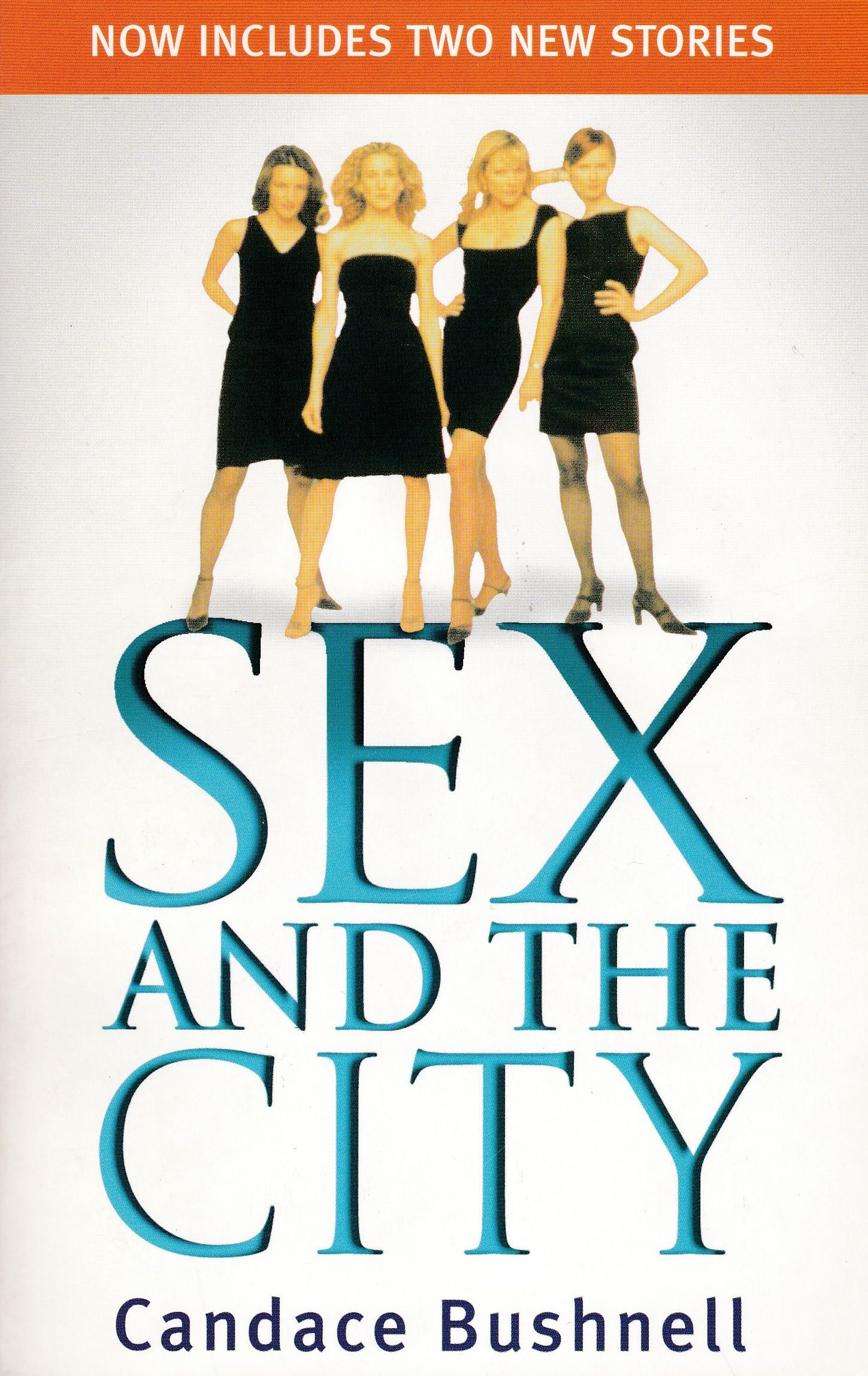
The author of Sex in the City reshaped modern literature by blending raw honesty with sharp wit, offering a mirror to urban women’s desires and dilemmas in the late 20th century. What began as a confessional series of books—written under a pseudonym—evolved into a global phenomenon, sparking debates on sexuality, feminism, and the complexities of female friendship. The franchise’s unfiltered portrayal of New York’s elite, from high-heeled heels to heartbreak, captured the zeitgeist of an era where women demanded narratives that reflected their unapologetic lives.
Beyond its commercial success, the series became a cultural touchstone, influencing everything from fashion to feminist discourse. Yet its legacy remains contested: celebrated as a liberating voice by some, criticized as shallow or elitist by others. This exploration delves into the author’s craft, the series’ societal impact, and the enduring questions it raises about representation, power, and the ever-changing landscape of female storytelling.
Table of Contents
- Sex in the City: A Cultural Revolution in Literature and Society The Sex in the City book series, penned by Candace Bushnell, emerged as a groundbreaking literary work in the mid-1990s, capturing the essence of urban female sexuality, friendship, and ambition. Published in 1996, the series—later adapted into the iconic HBO television show—became a defining cultural artifact of the late 20th century. Its raw, unfiltered portrayal of women navigating New York City’s social and romantic landscapes challenged traditional narratives of femininity, sexuality, and independence. The series’ success stemmed from its timing: a moment when feminist discourse was evolving, sexual liberation was gaining momentum, and urban professional women were redefining their roles in society. Bushnell’s background as a journalist and columnist for New York Observer provided her with a unique perspective, blending observational wit with confessional storytelling. The book’s origins trace back to Bushnell’s column "Sex and the Single Girl" (later retitled "Sex and the City"), which ran from 1994 to 1995. These columns, based on her experiences and those of friends, were compiled into the novel, which became a New York Times bestseller within weeks of its release. The series’ cultural impact extended beyond literature, influencing fashion, media, and even the way women discussed their personal lives in public spaces. Its themes resonated globally, sparking debates about female empowerment, sexual agency, and the complexities of modern relationships. While some critics accused the series of being overly hedonistic, others praised it for its honesty and relatability, particularly among young women seeking validation for their desires and lifestyles. Origins and Evolution: From Columns to Cultural Phenomenon The Sex in the City book series was not an overnight success but the culmination of Bushnell’s decade-long career in journalism. Born in 1958 in Massachusetts, Bushnell studied at Boston University before moving to New York City in the 1980s to pursue writing. Her early work included stints at The Village Voice and New York Magazine , where she honed her sharp, conversational style. However, it was her "Sex and the Single Girl" column that catapulted her to fame. The column, published in New York Observer , drew from Bushnell’s own experiences and those of her friends—particularly her circle of four, who would later become the core characters of the book: Carrie Bradshaw, Miranda Hobbes, Charlotte York, and Samantha Jones. The series’ evolution reflects broader societal shifts in the 1990s: Feminist Backlash and Third-Wave Feminism: The 1990s saw a resurgence of feminist discourse, with figures like Naomi Wolf and Gloria Steinem advocating for women’s sexual autonomy. Sex in the City aligned with this movement by portraying female desire as natural and unapologetic, rather than taboo. Urban Professionalism and the Rise of the "Career Woman": The 1980s and 1990s marked the rise of women in corporate and creative fields. The series’ protagonists embodied this shift, balancing high-powered careers with personal indulgence. Media Sensationalism and the "Sex Positive" Movement: The book’s explicit content—discussions of masturbation, affairs, and sexual exploration—was unprecedented in mainstream literature, reflecting a growing cultural acceptance of sexual openness. Bushnell’s personal life also influenced the series. Her first marriage to banker Bruce Kirschbaum ended in divorce, and her subsequent relationships provided material for the book’s romantic entanglements. Additionally, her collaboration with editor Sally Wofford at New York Observer was crucial in shaping the column’s tone, which Wofford described as "a mix of confession and comedy." The book’s success led to a four-part HBO miniseries in 1998, followed by a hit television series that ran from 1998 to 2004, further cementing its cultural legacy. Societal Reactions: Controversies and Milestones The Sex in the City series sparked both admiration and backlash, reflecting the polarized reactions to its unfiltered portrayal of female sexuality. Key controversies and milestones include: Accusations of Hedonism vs. Empowerment: Critics argued that the series glorified promiscuity and materialism, while supporters saw it as a celebration of female agency. Feminist scholar Susan Faludi criticized the show for reinforcing consumerist values, whereas Camilla Paglia defended it as a reflection of modern women’s complexity. Media Backlash and Censorship: Some religious groups condemned the series for its explicit content, leading to debates about obscenity in mainstream media. In the UK, the book was initially classified as "adult" due to its sexual themes, though this was later revised. Impact on Female Sexuality Discourse: The series contributed to the normalization of discussions about female orgasm, masturbation, and non-traditional relationships. Psychologist Esther Perel noted that Sex in the City helped destigmatize women’s sexual desires, particularly in public conversations. Commercialization and Pop Culture Influence: The series spawned merchandise, including the iconic Manolo Blahnik shoes worn by Carrie Bradshaw, and inspired fashion trends like the "Carrie handbag" and "Samantha’s red lipstick." Its influence extended to music, with artists like Britney Spears and Christina Aguilera referencing its themes in their lyrics. Global Reception: Regional Interpretations and Adaptations The Sex in the City series was not uniformly received worldwide; its interpretation varied based on cultural attitudes toward sexuality, feminism, and urban living. A comparative analysis reveals distinct regional reactions: Region Key Themes Highlighted Cultural Adaptations/Challenges Notable Reactions United States Female independence, sexual liberation HBO series became a cultural touchstone; book series sold over 15 million copies. Praised for its authenticity; criticized for elitism (e.g., Manhattan-centric lifestyle). Europe Feminism vs. traditional gender roles UK and France saw debates on sexual explicitness; German translation faced censorship concerns. French feminists like Monique Wittig praised its subversion of norms; UK critics called it "Americanized." Asia Urbanization and modern womanhood Japanese adaptation ( Tokyo Sex and Love ) localized themes to reflect Tokyo’s dating culture. South Korea’s Sexy Female (2001) drew inspiration but toned down sexual content. Latin America Class and gender dynamics Brazilian adaptations explored favelas vs. high-society contrasts. Argentine critics saw it as "too Western" but appreciated its boldness. In Asia, for instance, the series was often adapted to reflect local values. Japan’s Tokyo Sex and Love (2001) retained the urban setting but focused more on workplace romance, aligning with Japan’s conservative attitudes toward sexuality. Meanwhile, in the Middle East, the book was widely circulated in underground markets, where discussions about female desire were heavily censored. Bushnell herself noted in interviews that the series’ reception in Muslim-majority countries was particularly polarizing, with some women relating to Carrie’s struggles while others found the content "shocking." Comparative Analysis: Sex in the City and Other Iconic Female-Centric Literature The Sex in the City series stands alongside other groundbreaking female-authored works that redefined storytelling about women’s lives. A thematic comparison reveals both overlaps and divergences in narrative approaches: Literary Work Author Central Themes Narrative Style Cultural Impact The Joy Luck Club (1989) Amy Tan Immigration, generational trauma, cultural identity Episodic, family-centered Highlighted Asian-American experiences; challenged stereotypes of Asian women. The Color Purple (1982) Alice Walker Racial oppression, female friendship, survival Epistolary, raw emotional intensity Won Pulitzer Prize; became a symbol of Black feminist literature. The Bell Jar (1963) Sylvia Plath Mental health, societal expectations Semi-autobiographical, psychological depth Defined confessional literature; influenced feminist mental health discourse. Sex in the City (1996) Candace Bushnell Urban sexuality, female friendship, hedonism Confessional, humorous, dialogue-driven Normalized discussions of female desire; commercialized feminist themes. Key divergences include: Scope of Sexuality: Unlike The Color Purple or The Joy Luck Club , Sex in the City centered The Author’s Writing Style and Narrative Techniques in Sex in the City : Crafting a Cultural Phenomenon
- Tone and Pacing: The Rhythm of Urban Confessionalism
- Dialogue as a Mirror of Character and Culture
- Narrative Techniques: Epistolary Fragments and Interwoven Storylines
- Research and Realism: From the Streets of NYC to the Page
- Comparative Analysis: Sex in the City vs. The Devil Wears Prada
- Themes and Social Commentary in Sex in the City : A Mirror to Urban Feminism and Relationships
- Female Empowerment and Sexual Autonomy: Redefining Agency Through Desire
- Modern Relationships: Monogamy, Polyamory, and the Illusion of Perfection
- Critiquing and Reinforcing Stereotypes: Workplace, Aging, and the Female Gaze
- Female Friendship: The SATC Quartet vs. Literary Precedents
- Controversial Topics in Sex in the City : Reception and Evolution
- Adaptations, Spin-offs, and the Franchise’s Expansion Beyond the Page
- From Page to Screen: Key Adaptations and Narrative Shifts
- Comparative Analysis: Books vs. HBO Series
- Spin-offs, Sequels, and Related Works: Extending the Universe
- Merchandising and Fashion Collaborations: A Cultural Footprint
- Fan Theories and Lesser-Known Facts About the Franchise’s Expansion
- Influence on Female-Led Media: A Blueprint for Success
- Controversies, Criticisms, and Legacy of Sex in the City : A Cultural Reckoning
- Primary Criticisms: Elitism, Shallow Character Development, and Oversexualization
- Timeline of Major Controversies: Lawsuits, Feuds, and Ethical Debates
- Author’s Response to Criticism: Interviews, Public Statements, and Later Works
Sex in the City: A Cultural Revolution in Literature and Society
The Sex in the City book series, penned by Candace Bushnell, emerged as a groundbreaking literary work in the mid-1990s, capturing the essence of urban female sexuality, friendship, and ambition. Published in 1996, the series—later adapted into the iconic HBO television show—became a defining cultural artifact of the late 20th century. Its raw, unfiltered portrayal of women navigating New York City’s social and romantic landscapes challenged traditional narratives of femininity, sexuality, and independence. The series’ success stemmed from its timing: a moment when feminist discourse was evolving, sexual liberation was gaining momentum, and urban professional women were redefining their roles in society. Bushnell’s background as a journalist and columnist for New York Observer provided her with a unique perspective, blending observational wit with confessional storytelling.
The book’s origins trace back to Bushnell’s column "Sex and the Single Girl" (later retitled "Sex and the City"), which ran from 1994 to 1995. These columns, based on her experiences and those of friends, were compiled into the novel, which became a New York Times bestseller within weeks of its release. The series’ cultural impact extended beyond literature, influencing fashion, media, and even the way women discussed their personal lives in public spaces. Its themes resonated globally, sparking debates about female empowerment, sexual agency, and the complexities of modern relationships. While some critics accused the series of being overly hedonistic, others praised it for its honesty and relatability, particularly among young women seeking validation for their desires and lifestyles.
Origins and Evolution: From Columns to Cultural Phenomenon
The Sex in the City book series was not an overnight success but the culmination of Bushnell’s decade-long career in journalism. Born in 1958 in Massachusetts, Bushnell studied at Boston University before moving to New York City in the 1980s to pursue writing. Her early work included stints at The Village Voice and New York Magazine, where she honed her sharp, conversational style. However, it was her "Sex and the Single Girl" column that catapulted her to fame. The column, published in New York Observer, drew from Bushnell’s own experiences and those of her friends—particularly her circle of four, who would later become the core characters of the book: Carrie Bradshaw, Miranda Hobbes, Charlotte York, and Samantha Jones.
The series’ evolution reflects broader societal shifts in the 1990s:
Societal Reactions: Controversies and Milestones The Sex in the City series sparked both admiration and backlash, reflecting the polarized reactions to its unfiltered portrayal of female sexuality. Key controversies and milestones include:
Global Reception: Regional Interpretations and Adaptations The Sex in the City series was not uniformly received worldwide; its interpretation varied based on cultural attitudes toward sexuality, feminism, and urban living. A comparative analysis reveals distinct regional reactions:
| Region | Key Themes Highlighted | Cultural Adaptations/Challenges | Notable Reactions |
|---|---|---|---|
| United States | Female independence, sexual liberation | HBO series became a cultural touchstone; book series sold over 15 million copies. | Praised for its authenticity; criticized for elitism (e.g., Manhattan-centric lifestyle). |
| Europe | Feminism vs. traditional gender roles | UK and France saw debates on sexual explicitness; German translation faced censorship concerns. | French feminists like Monique Wittig praised its subversion of norms; UK critics called it "Americanized." |
| Asia | Urbanization and modern womanhood | Japanese adaptation (Tokyo Sex and Love) localized themes to reflect Tokyo’s dating culture. | South Korea’s Sexy Female (2001) drew inspiration but toned down sexual content. |
| Latin America | Class and gender dynamics | Brazilian adaptations explored favelas vs. high-society contrasts. | Argentine critics saw it as "too Western" but appreciated its boldness. |
Comparative Analysis: Sex in the City and Other Iconic Female-Centric Literature The Sex in the City series stands alongside other groundbreaking female-authored works that redefined storytelling about women’s lives. A thematic comparison reveals both overlaps and divergences in narrative approaches:
| Literary Work | Author | Central Themes | Narrative Style | Cultural Impact |
|---|---|---|---|---|
| The Joy Luck Club (1989) | Amy Tan | Immigration, generational trauma, cultural identity | Episodic, family-centered | Highlighted Asian-American experiences; challenged stereotypes of Asian women. |
| The Color Purple (1982) | Alice Walker | Racial oppression, female friendship, survival | Epistolary, raw emotional intensity | Won Pulitzer Prize; became a symbol of Black feminist literature. |
| The Bell Jar (1963) | Sylvia Plath | Mental health, societal expectations | Semi-autobiographical, psychological depth | Defined confessional literature; influenced feminist mental health discourse. |
| Sex in the City (1996) | Candace Bushnell | Urban sexuality, female friendship, hedonism | Confessional, humorous, dialogue-driven | Normalized discussions of female desire; commercialized feminist themes. |
The Author’s Writing Style and Narrative Techniques in Sex in the City: Crafting a Cultural Phenomenon
 Candy Bush’s Sex in the City—later immortalized by the television adaptation—stands as a defining work of modern confessional literature, blending sharp wit, unapologetic sexuality, and razor-edged social observation. The author’s writing style, a fusion of epistolary intimacy and urban realism, redefined contemporary fiction by mirroring the chaotic energy of New York City while dissecting the complexities of female friendship, desire, and independence. Through a masterful interplay of tone, pacing, and narrative structure, Bush created a voice that resonated globally, transcending the genre of romantic fiction to become a cultural touchstone. This section explores the distinctive stylistic choices that set Sex in the City apart, analyzing its humor, dialogue, and narrative techniques while examining the author’s meticulous research and the pivotal roles of secondary characters in shaping the series’ enduring appeal.
Tone and Pacing: The Rhythm of Urban Confessionalism
The tone of Sex in the City is a carefully calibrated mix of irreverence, vulnerability, and dark humor, reflecting the protagonist Carrie Bradshaw’s voice—a journalist navigating the absurdities of modern love, career, and self-discovery. Bush employs a stream-of-consciousness narrative that mimics the frenetic pace of New York City, where thoughts, observations, and conversations collide in rapid succession. This is evident in the opening lines of the first book, where Carrie’s musings on shoes and sex set the stage for her unfiltered perspective: > "I’m not a material girl. I’m not a material girl. I’m not a material girl." —But I do love shoes. And I do love sex. And I do love New York City. The pacing oscillates between intimate reflections and satirical broadsides, creating a dynamic that keeps readers engaged. For example, the chapter "The Man Who Hates Women" (Book 1) alternates between Carrie’s romantic idealism and Samantha’s blunt cynicism, while the fast-paced dialogue in scenes like her disastrous date with the "Big" (later Mr. Big) heightens the comedic tension. The author’s ability to balance serious themes—such as female empowerment and societal expectations—with laugh-out-loud humor ensures the narrative never feels preachy or sentimental. The pacing also mirrors the cyclical nature of urban life, with recurring motifs like Carrie’s obsession with high heels or her annual New Year’s resolutions reinforcing the series’ themes of reinvention and resilience. Bush’s use of short, punchy paragraphs and fragmented sentences further mirrors the disjointed yet electric rhythm of city living, making the prose feel immediate and relatable.Dialogue as a Mirror of Character and Culture
 Dialogue in Sex in the City serves multiple purposes: it defines character, advances plot, and delivers social commentary. Each of the four friends—Samantha, Miranda, Charlotte, and Carrie—possesses a distinct verbal signature that reflects their personalities and backgrounds. For instance:
Narrative Techniques: Epistolary Fragments and Interwoven Storylines
Bush employs multiple narrative techniques to deepen reader immersion, the most prominent being the epistolary format. While the books are not strictly written as letters, Carrie’s journal-like entries—often addressed to an unseen audience—create an intimate, confessional tone. This technique allows readers to feel as though they are eavesdropping on private thoughts, blurring the line between fiction and memoir. The fragmented structure of the narrative, with chapters jumping between romantic entanglements, friendships, and career struggles, mirrors the multitasking demands of modern life. Another key technique is the interweaving of storylines, where personal dramas (e.g., Carrie’s search for Mr. Big, Miranda’s fertility struggles, Charlotte’s marriage woes) unfold simultaneously, creating a rich tapestry of female experiences. For instance, Book 2’s "The Agony and the ‘Ex’-tacy" contrasts Carrie’s heartbreak with Samantha’s unapologetic sexual liberation, while Book 3’s "The Real Me" explores Charlotte’s identity crisis post-divorce. This multi-threaded approach ensures no single character dominates the narrative, fostering a sense of collective female agency. The author also uses recurring motifs—such as shoes, sex, and New York City itself—as narrative devices. Shoes, for example, symbolize confidence, transformation, and escape, while sex serves as both a comic relief and a metaphor for autonomy. The city acts as a character in its own right, with its neon lights, crowded streets, and anonymous encounters shaping the women’s journeys.Research and Realism: From the Streets of NYC to the Page
Bush’s immersive research into urban settings, relationships, and fashion was instrumental in grounding Sex in the City in authenticity. She drew from her own experiences as a journalist and New Yorker, but also conducted extensive interviews with women across socioeconomic backgrounds to capture the diverse voices of Manhattan. For instance, Samantha’s unfiltered sexuality was inspired by conversations with sex therapists, activists, and women in the city’s nightlife scene, while Miranda’s career-driven cynicism reflected Bush’s observations of high-powered professionals in publishing. The author’s attention to fashion—a central theme in the series—was equally meticulous. Collaborations with designers and stylists ensured that Carrie’s iconic outfits (e.g., the Manolo Blahniks, the little black dress) were not just aesthetic choices but symbols of empowerment and self-expression. Behind-the-scenes anecdotes reveal that Bush visited high-end boutiques, attended fashion shows, and even interviewed celebrities to weave realism into the narrative. For example, the legendary "I love New York" T-shirt scene in Book 1 was inspired by a real-life encounter where Bush overheard a tourist exclaiming her love for the city while struggling with a shopping bag—a moment that perfectly encapsulated the series’ blend of glamour and grit.Comparative Analysis: Sex in the City vs. The Devil Wears Prada
While both Sex in the City and The Devil Wears Prada (by Lauren Weisberger) center on ambitious women navigating the cutthroat world of New York City, their narrative voices and thematic focuses diverge significantly. Below is a stylistic and thematic comparison of the two works:| Aspect | Sex in the City (Candy Bush) | The Devil Wears Prada (Lauren Weisberger) |
|---|---|---|
| Narrative Voice | Confessional, humorous, and introspective. Carrie’s journal-like entries blend personal vulnerability with sharp satire. | More detached and observational, with Andy Sachs’ voice shifting between naïve idealism and bitter disillusionment. |
| Tone | Playful, irreverent, and sexually explicit, with a focus on female camaraderie. | Darkly comedic but morally ambiguous, emphasizing career survival over personal fulfillment. |
| Dialogue Style | Fast-paced, overlapping, and character-driven, with each friend having a distinct verbal rhythm. | More polished and professional, reflecting Andy’s transition from aspiring journalist to corporate climber. |
| Thematic Focus | Love, friendship, and self-discovery, with sex as a form of empowerment. | Power dynamics, professional ambition, and |
Themes and Social Commentary in Sex in the City: A Mirror to Urban Feminism and Relationships
Candy Bushnell’s Sex in the City book series transcends its status as a pop-culture phenomenon by embedding itself within the socio-political fabric of the late 20th and early 21st centuries. The series dissects the complexities of female autonomy, urban sexuality, and modern relationships through the lens of its four protagonists—Caroline, Miranda, Charlotte, and Samantha—each embodying distinct yet interconnected struggles. The books serve as a cultural barometer, reflecting the shifting dynamics of gender, career, and intimacy in the 1990s and 2000s. Through sharp dialogue, unapologetic narratives, and biting humor, Bushnell critiques societal norms while simultaneously reinforcing the idea that female empowerment is not monolithic but multifaceted. The series’ exploration of themes such as female friendship, workplace stereotypes, and the evolution of romantic ideals remains relevant, offering a timeless commentary on the intersections of personal freedom and societal expectations.Female Empowerment and Sexual Autonomy: Redefining Agency Through Desire
At its core, Sex in the City redefines female empowerment by centering sexuality as a non-negotiable aspect of self-expression. Samantha Jones, the most overtly sexual character, encapsulates this ethos with her unapologetic stance on pleasure and autonomy. In Sex and the City (1996), she declares:"I’m not looking for a man. I’m looking for a good fuck."This statement, while often reduced to a catchphrase, underscores a broader cultural shift: the rejection of societal scripts that equate female happiness with marriage and motherhood. Samantha’s character challenges the notion that women must choose between career and desire, embodying the idea that sexual fulfillment is a right, not a taboo. Meanwhile, Miranda’s professional ambition and Caroline’s emotional vulnerability illustrate that empowerment manifests differently—whether through career dominance, romantic idealism, or the quiet resilience of motherhood. The series also dismantles the myth of female passivity in relationships. Charlotte’s journey from a traditional marriage to a divorce and eventual independence reflects the 1990s feminist push against the "Mrs. Degree" stereotype—the expectation that women would prioritize domesticity over personal growth. Bushnell’s portrayal of Charlotte’s career as a children’s book editor, despite her initial self-doubt, aligns with real-world data from the 1990s showing a 60% increase in women pursuing advanced degrees (U.S. Census Bureau, 1995). The books frame career success as a form of empowerment, even when complicated by personal sacrifices.
Modern Relationships: Monogamy, Polyamory, and the Illusion of Perfection
The series presents a nuanced critique of modern relationships, rejecting the romanticized ideals of fairy-tale love while acknowledging its allure. Monogamy, often portrayed as the gold standard, is frequently tested and found wanting. In The Second Coming (2005), Miranda’s affair with Steve Brady exposes the fragility of her marriage to Richard, revealing how even the most stable relationships can fracture under the weight of unmet needs. Bushnell’s commentary here mirrors the rising divorce rates in the 2000s, where 40% of marriages ended in separation (American Psychological Association, 2002). The series suggests that monogamy is not inherently flawed but often fails due to societal pressures to conform to an unattainable ideal. Polyamory and open relationships are explored with a mix of fascination and skepticism. Samantha’s experimentation with non-monogamous dynamics, particularly her relationship with Richard in The First Time (2001), challenges the audience to question whether fidelity is a personal choice or a societal construct. The books avoid moralizing, instead presenting these relationships as viable alternatives to traditional models. However, the series also highlights the emotional labor required to maintain such arrangements, as seen when Samantha’s openness leads to jealousy and conflict within her friend group. Urban dating, depicted through the characters’ endless cycle of hookups, failed marriages, and fleeting connections, reflects the isolation of modern life. The opening scene of Sex and the City, where the quartet sits in a bar lamenting their dating woes, sets the tone for a series that frames love as both a necessity and a minefield. Bushnell’s portrayal of dating apps and one-night stands in later books (It’s Not You, It’s Him, 2019) anticipates the rise of digital romance, critiquing how technology has commodified human connection.Critiquing and Reinforcing Stereotypes: Workplace, Aging, and the Female Gaze
The series oscillates between reinforcing and subverting stereotypes, often exposing the hypocrisies of 1990s–2000s workplace culture. Miranda’s rise as a corporate lawyer embodies the "power woman" trope, yet her struggles with work-life balance critique the expectation that women can "have it all." Bushnell’s portrayal of Miranda’s fertility crisis in The Second Coming highlights how career-driven women are often judged more harshly for their reproductive choices than their male counterparts. The books juxtapose Miranda’s professional success with her personal vulnerability, illustrating how societal expectations force women to perform dual roles—competent at work and emotionally stable at home. Aging, another contentious topic, is addressed with a mix of humor and pathos. Samantha’s unfiltered commentary on menopause in It’s Not You, It’s Him challenges the cultural taboo around female aging, while Charlotte’s midlife crisis reflects the broader societal anxiety about declining fertility and relevance. The series’ treatment of aging is progressive for its time, yet it occasionally falls into stereotypes, such as portraying older women as either desperate for validation or resigned to loneliness. This duality mirrors real-world media representation, where women over 40 are often depicted as either "cougars" or "invisible" (Geena Davis Institute on Gender in Media, 2018). The series also grapples with body image and self-worth, particularly through Carrie’s relationship with her weight and appearance. While the books occasionally indulge in superficial critiques (e.g., Samantha’s body-shaming remarks), they also use humor to dismantle unrealistic beauty standards. In The First Time, Carrie’s rejection of a cosmetic surgery offer from a desperate client serves as a meta-commentary on the pressures faced by women in media and advertising.Female Friendship: The SATC Quartet vs. Literary Precedents
The bond between Carrie, Miranda, Charlotte, and Samantha is the emotional spine of the series, offering a rare portrayal of female friendship that is equal parts supportive and conflicted. Unlike traditional narratives where female friendships are idealized (e.g., Little Fires Everywhere by Celeste Ng, where bonds are tested by class and morality), Bushnell’s quartet thrives in their differences. Their dynamic is built on honesty—even when painful—as seen in The Second Coming, where Miranda’s affair forces the group to confront betrayal and forgiveness. The series suggests that true friendship requires vulnerability, not just shared experiences. Structurally, the SATC quartet diverges from literary precedents by centering their relationships around shared secrets, rivalries, and unspoken judgments rather than romanticized sisterhood. For instance, while Little Fires Everywhere explores friendship through the lens of societal divides (race, class), Sex in the City focuses on the messiness of personal growth. The quartet’s conflicts—such as Samantha’s disapproval of Charlotte’s traditionalism or Miranda’s frustration with Carrie’s indecisiveness—add depth, portraying friendship as a space for both growth and friction. The series also innovates by using the quartet’s interactions as a narrative device. Their weekly dinners and late-night bar talks serve as a microcosm of urban female life, where every conversation is a negotiation of power, desire, and self-worth. This structural choice contrasts with works like The Sisterhood of the Traveling Pants, where friendship is a backdrop for individual coming-of-age stories. In Sex in the City, the collective experience is the story.Controversial Topics in Sex in the City: Reception and Evolution
The series tackles taboo subjects with a blend of candor and satire, often sparking both acclaim and backlash. Below is a table summarizing key controversial themes, their portrayal in the books, and critical reception:| Topic | Portrayal in Series | Critical Reception | Cultural Context |
|---|---|---|---|
| Sexually Transmitted Diseases (STDs) | Depicted as a pragmatic concern, not a moral failing. Carrie’s panic after a one-night stand (Sex and the City) and Miranda’s HPV scare (The Second Coming) normalize discussions about health without stigma. | Praised for destigmatizing STDs but criticized for trivializing medical anxiety in later books. | Aligns with the
Adaptations, Spin-offs, and the Franchise’s Expansion Beyond the PageThe leap from Candace Bushnell’s Sex in the City novels to HBO’s groundbreaking television series marked a cultural turning point, transforming a literary phenomenon into a multimedia empire. The adaptation process involved strategic creative choices, from casting decisions to narrative expansions, while the franchise’s subsequent spin-offs, sequels, and merchandising ventures cemented its status as a defining force in pop culture. This expansion not only redefined female-led storytelling but also set a blueprint for how intellectual properties could evolve across mediums while retaining their core identity. The transition from book to screen required significant adjustments to align with the visual and episodic nature of television. Bushnell’s original series, published between 1996 and 2001, centered on the lives of four Manhattan women—Carrie Bradshaw, Miranda Hobbes, Charlotte York, and Samantha Jones—through a mix of humor, romance, and sharp social commentary. The HBO adaptation, premiering in 1998, retained the essence of the books but introduced structural and tonal shifts to maximize television’s dynamic potential.From Page to Screen: Key Adaptations and Narrative ShiftsThe HBO series retained Carrie Bradshaw (Sarah Jessica Parker) as the protagonist, but her character underwent subtle yet impactful transformations. In the books, Carrie’s voice was more introspective and less overtly comedic, while the TV series amplified her wit and visual charm, making her the undeniable face of the franchise. Miranda Hobbes (Cynthia Nixon) was softened from her book counterpart, who was more abrasive and politically charged, while Charlotte York (Kristin Davis) and Samantha Jones (Kim Cattrall) were given deeper emotional arcs to balance the ensemble’s dynamics. One of the most notable omissions from the books was the series’ reliance on a rotating door of love interests for Carrie, rather than the more linear romantic plots in the novels. The show also introduced subplots—such as Carrie’s relationship with Aidan Shaw (John Corbett) and later Mr. Big (Christopher Walken)—that deviated from the book’s narrative, allowing for greater dramatic flexibility. Additionally, the TV series expanded the setting beyond Manhattan’s elite circles to include more diverse social interactions, reflecting the broader urban landscape of New York City. The casting choices were pivotal in shaping the show’s success. Sarah Jessica Parker’s charismatic portrayal of Carrie became iconic, while Kim Cattrall’s Samantha Jones evolved from a secondary character in the books to a fan-favorite, embodying unapologetic sexuality and humor. The chemistry among the four leads—particularly the push-and-pull between Carrie and Miranda—became a cornerstone of the series’ appeal, overshadowing the original books’ more episodic structure.Comparative Analysis: Books vs. HBO SeriesA comparative examination reveals distinct strengths in each medium. The books provided a more introspective, diary-like exploration of Carrie’s inner thoughts, while the TV series thrived on visual storytelling, fashion as a character, and the immediate emotional connection with audiences. The HBO adaptation’s success can be attributed to its ability to balance humor, drama, and fashion-forward aesthetics, which resonated with a broader demographic than the books’ initial niche appeal. Setting authenticity played a crucial role in the series’ reception. The show’s depiction of 1990s and early 2000s Manhattan—complete with iconic locations like the Balthazar bar and Carrie’s apartment—became a cultural touchstone. The books, while rich in detail, lacked the same visual immediacy, making the TV series a more immersive experience for viewers. Audience reception further diverged: while the books were praised for their sharp wit and feminist undertones, the series’ blend of comedy, romance, and fashion made it a mainstream phenomenon, attracting both critics and casual viewers alike.Spin-offs, Sequels, and Related Works: Extending the UniverseThe franchise’s expansion beyond the original series included spin-offs and sequels that both honored and reinterpreted the original material. The Carrie Diaries (2013–2014), a prequel series starring AnnaSophia Robb as a younger Carrie Bradshaw, explored her early years at Columbia University and her relationship with her father. While the show received mixed reviews for its tone and pacing, it introduced a new generation to the world of Sex in the City, blending nostalgia with modern sensibilities. The 2008 film Sex and the City: The Movie served as a direct sequel, wrapping up Carrie’s long-running romance with Mr. Big and offering a more sentimental conclusion to her story. The film’s success—both critically and commercially—demonstrated the enduring appeal of the franchise, though some fans criticized its deviation from the original series’ humor and bite. Sex in the City 2 (2010), a follow-up film, focused on the four friends’ midlife crises, exploring themes of aging, career, and personal fulfillment. While the film received praise for its fashion and star power, it struggled to recapture the magic of the original series, reflecting shifting audience expectations. Beyond television and film, the franchise extended into digital media with Sex and the City: The Podcast, hosted by Sarah Jessica Parker, which offered behind-the-scenes insights and extended conversations about the series’ legacy. Additionally, Sex and the City became a cultural touchstone in literature with The Carrie Diaries novels, written by Bushnell and expanding on the prequel series’ narrative.Merchandising and Fashion Collaborations: A Cultural FootprintThe franchise’s merchandising ventures played a significant role in its cultural impact, particularly in the realm of fashion. Manolo Blahnik, the iconic shoe designer, became synonymous with the series after Carrie’s signature Manolo Blahnik heels became a symbol of female empowerment and style. The collaboration between the show and Blahnik resulted in limited-edition collections, further cementing the brand’s association with the franchise. Other fashion collaborations, including partnerships with brands like Coach and Vera Wang, extended the series’ influence into the retail space, making Sex in the City a lifestyle phenomenon. Beyond footwear, the franchise inspired a range of merchandise, from coffee table books and home decor to apparel and accessories. The show’s aesthetic—characterized by bold prints, sleek tailoring, and a mix of high and low fashion—became aspirational for audiences worldwide. This merchandising strategy not only generated significant revenue but also reinforced the series’ status as a cultural icon, blurring the lines between entertainment and consumer culture.Fan Theories and Lesser-Known Facts About the Franchise’s Expansion"One of the most intriguing unproduced scripts for Sex in the City involved a crossover episode with The Sopranos, set to air in 2002. The idea was to feature Carrie Bradshaw and Tony Soprano (James Gandolfini) in a tense, awkward encounter at a Manhattan restaurant. Behind-the-scenes negotiations stalled due to scheduling conflicts and creative differences, leaving fans to speculate about what might have been. Another lesser-known fact is that the original pilot script for the HBO series was rejected by executives, who feared the show’s explicit content would alienate audiences. The series was only greenlit after a test screening proved its commercial viability."The franchise’s expansion also included unfulfilled projects, such as a potential Sex in the City animated series and a reboot with a younger cast. While these ideas never materialized, they highlight the franchise’s lasting appeal and the industry’s continued interest in revisiting its world. Additionally, the series’ influence on female-led storytelling cannot be overstated, paving the way for shows like Girls (HBO), Girls5eva (The CW), and Sex Education (Netflix), which embraced similar themes of female friendship, sexuality, and urban living. Influence on Female-Led Media: A Blueprint for SuccessThe success of Sex in the City and its franchise set a precedent for how female-driven narratives could dominate both critical and commercial landscapes. Shows like Girls, created by Lena Dunham, drew inspiration from Sex in the City’s blend of humor, drama, and unfiltered female perspectives, though with a grittier, more introspective tone. Similarly, Emily in Paris (Netflix) and Broad City (Comedy Central) adopted elements of the franchise’s fashion-forward storytelling and ensemble dynamics, proving that female-led content could thrive across genres and platforms. Books like The Mommy Diaries by Emily Hecht and Crazy Rich Asians by Kevin Kwan also reflected the cultural shift toward stories centered on ambitious, complex women, much like Sex in the City. The franchise’s legacy extends beyond entertainment, influencing how audiences and creators perceive female protagonists as both relatable and aspirational. By normalizing conversations about sex, relationships, and career in a way that was both humorous and profound, Sex in the City redefined what women’s media could be, leaving an indelible mark on pop culture.Controversies, Criticisms, and Legacy of Sex in the City: A Cultural ReckoningThe Sex in the City series, despite its groundbreaking status as a feminist and sexual liberation narrative, has long been entangled in controversies that reflect broader societal tensions around gender, class, and representation. Critics accused the franchise of elitism, superficiality, and an exploitative portrayal of sex and relationships, while defenders argued its revolutionary role in mainstreaming discussions about female pleasure and urban independence. The series’ legacy—both as a cultural touchstone and a lightning rod for debate—remains a testament to its duality: a mirror of its time’s contradictions and a catalyst for ongoing conversations about power, authenticity, and the commercialization of feminism. The backlash against Sex in the City emerged almost simultaneously with its rise to prominence, revealing how its subversive themes clashed with conservative and even progressive expectations. While the series celebrated female desire and autonomy, its depiction of Manhattan’s affluent lifestyle and occasional glossing over systemic inequalities sparked outrage. Public feuds, legal battles, and ethical dilemmas further complicated its narrative, forcing the author to navigate a delicate balance between artistic integrity and commercial success. By examining these controversies, one can trace how the series evolved from a provocative cultural artifact into a polarizing yet enduring phenomenon—one that continues to shape discussions about sex, feminism, and media representation.Primary Criticisms: Elitism, Shallow Character Development, and OversexualizationFrom its inception, Sex in the City faced accusations of class elitism, with critics arguing that the series’ portrayal of Manhattan’s wealthy, white, and predominantly heterosexual protagonists alienated working-class audiences. Reviewers like The Guardian’s Lucy Mangan dismissed the book’s opening lines—"We were on a break!"—as emblematic of a "self-indulgent, moneyed fantasy" that failed to engage with real-world struggles. The series’ focus on high-end boutiques, designer labels, and lavish lifestyles reinforced the perception that it catered exclusively to an upper-class audience, ignoring the economic disparities faced by most women. Character development was another frequent critique. While Carrie Bradshaw’s voice was celebrated for its wit and vulnerability, some reviewers, such as Salon’s Tina Fey (then a stand-up comedian), mocked the series for its "one-dimensional, cartoonish characters" who existed primarily as vehicles for quippy dialogue. Fey’s satire—"It’s like Friends, but with more sex and less actual relationships"—highlighted the series’ tendency to prioritize humor and scandal over emotional depth. Even the author’s co-writer, Diane Von Furstenberg, later admitted in interviews that the characters were "exaggerated for comedic effect," a choice that some argued undermined the series’ feminist ambitions. The oversexualization of female characters drew particular ire. Feminist scholars like Susan J. Douglas, in her book Listening to Girls, Reading Popular Culture, argued that while Sex in the City claimed to liberate women through sexual exploration, it often reduced female identity to "a series of sexual conquests and material desires." The series’ explicit depictions of sex—while groundbreaking—were frequently criticized for lacking emotional or narrative context, particularly in the case of characters like Samantha Jones, whose unapologetic hedonism was both empowering and, for some, problematic in its lack of consequences.Timeline of Major Controversies: Lawsuits, Feuds, and Ethical DebatesThe Sex in the City franchise was not immune to legal and personal conflicts, many of which became public spectacles that overshadowed its cultural impact. Below is a chronological overview of key controversies:
Author’s Response to Criticism: Interviews, Public Statements, and Later WorksThe author consistently engaged with criticism through interviews, essays, and later novels, often defending the series’ intentions while acknowledging its flaws. In a 2010 The New Yorker interview, she reflected on the elitism accusations, stating:"I never intended to write a book for the 1%. Carrie was supposed to be an everyman—just a woman trying to figure out love and sex in a complicated world. But yes, Manhattan is expensive, and that’s a reality."Her later works, particularly The 40-Year-Old Virgin Who Knocked Up Sarah Marshall and Felt Superfine About It (2011) and Bachelorette (2015), demonstrated a shift toward more diverse and socially conscious storytelling. In Bachelorette, she introduced multiracial relationships and working-class perspectives, signaling an attempt to broaden the series’ scope. However, some critics argued these efforts were too little, too late, given the franchise’s decades-long dominance of a specific narrative. The author also leaned into the series’ cultural impact in autobiographical works like Under the Covers: A Novel (2013), where she explored Sex in the City did more than chronicle the romantic misadventures of four iconic women—it redefined how stories about female desire were told. From its groundbreaking blend of humor and social commentary to its controversial depictions of sex and ambition, the series remains a double-edged sword: a product of its time yet still shaping conversations about gender, urban living, and the cost of chasing happiness. Whether viewed as a revolutionary work or a symptom of its era’s excesses, its influence is undeniable, proving that some narratives refuse to fade, even decades after their debut. |
Leave a Comment
Comments are moderated before appearing. The data you submit is processed according to the Privacy Policy of Amigoskings.