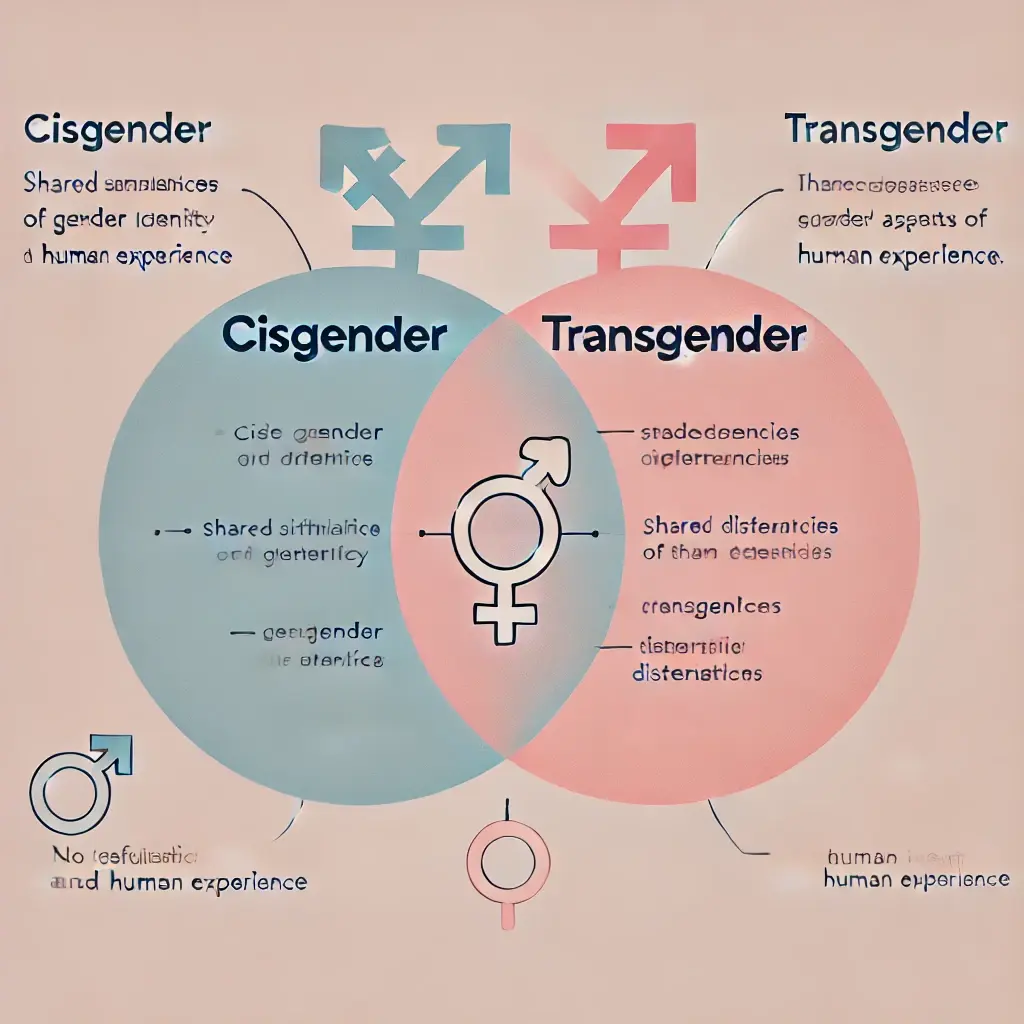
Q1: What is the main difference between a cisgender male and a transgender male?
A1: A cisgender male was assigned male at birth based on physical anatomy and continues to identify as a man. A transgender male was assigned female at birth based on physical anatomy but possesses an internal gender identity as a man. Both share the identity of being men, but their developmental paths and relationship to their birth sex differ.
Q2: Does being a cisgender male mean someone is straight?
A2: No. Cisgender describes gender identity, while "straight" or heterosexual describes sexual orientation. A cisgender male can be straight, gay, bisexual, pansexual, or asexual. His gender identity does not dictate whom he is attracted to.
Q3: Is "cisgender" considered an offensive slur?
A3: Major dictionaries, academic institutions, and medical associations categorize "cisgender" as an objective, neutral scientific term derived from Latin. While some online discussions have politicized the word, its linguistic purpose is purely descriptive, providing an accurate counterpart to "transgender."
Q4: Why can't we just say "biological male" or "normal man"?
A4: Phrases like "normal man" imply that transgender men are inherently defective or unnatural. Meanwhile, "biological male" is often overly broad or clinically imprecise, as biology consists of chromosomes, hormones, and anatomy, which can vary significantly across individuals, including intersex people. "Cisgender male" specifies both the assigned birth sex and current psychological identity simultaneously.
Q5: Can a cisgender male dress in feminine clothes or wear makeup?
A5: Yes. Gender expression (how one dresses, styles hair, or behaves) is distinct from gender identity. A cisgender man can embrace feminine or non-traditional aesthetics without changing his internal identity as a man.

