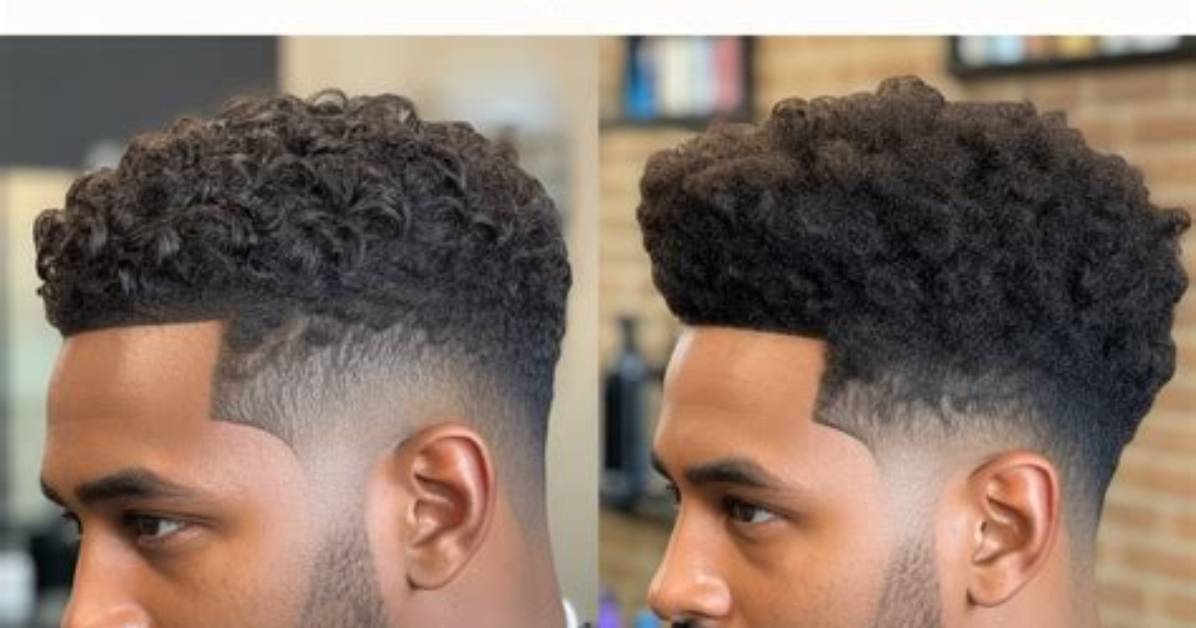
The connection point between the sideburn and facial hair makes or breaks this profile. Without a seamless beard blend transition, the cut looks disjointed, breaking the visual flow between the skull and the jawline. The transition requires the clipper blade to hit true zero precisely at the center of the tragus, the small cartilage flap on the ear.
From that center zero point, the barber fades upward toward the temple bulk using open-lever techniques, and fades downward into the beard using increasing guard sizes. A proper beard blend reaches full facial density roughly one inch below the jawbone. This leaves enough room for a distinct, sharp border along the cheek lines.
Next comes the crisp shape up. Modern barbers often pair trimmers with semi-permanent color enhancements to sharpen perimeter lines. Enhancements can make the perimeter pop on camera, but they wash out after two showers. Insist on a clean edge achieved through dry trimmer tension and straight-razor detailing rather than relying on heavy pigment sprays to hide uneven clipper lines.

