For more than two decades, the Manhattan nightlife scene ran on volume. Operators filled 10,000-square-foot rooms in Chelsea and the Meatpacking District by selling marked-up vodka bottles to Wall Street analysts and tourists. That model began fraying as high-spending patrons sought environments free from crowds wielding smartphones. The pandemic accelerated that exhaustion, but cultural saturation finalized it.
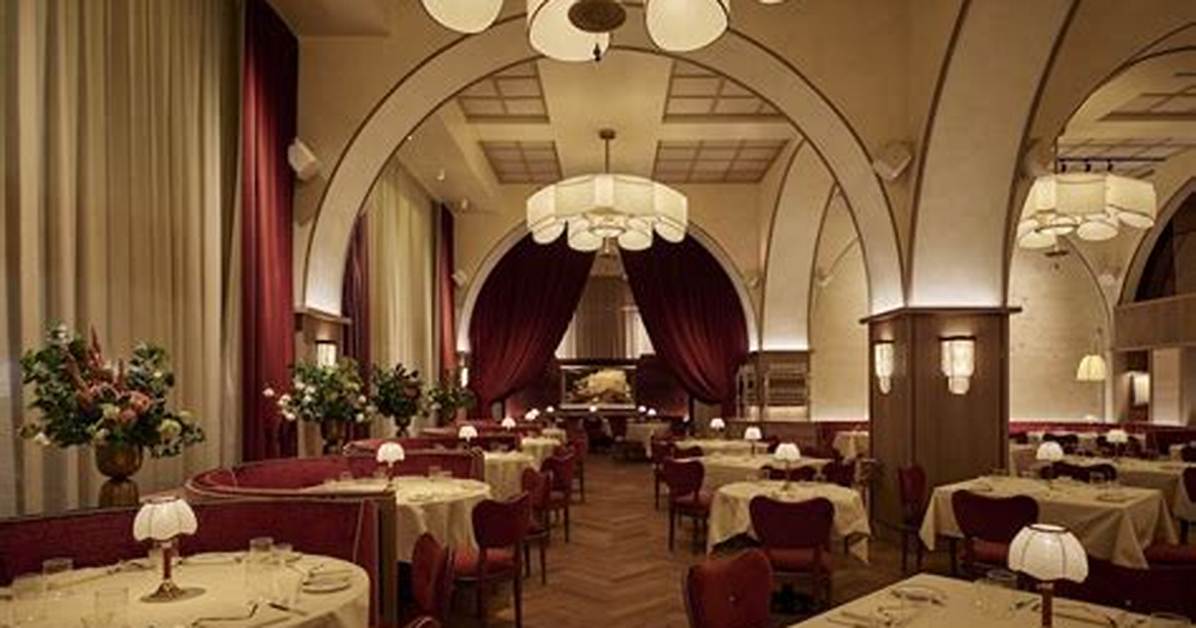
Crane Club NYC was conceived as an antidote to commercial nightlife exhaustion. Instead of packing hundreds onto a shared dance floor, the venue caps its occupancy to protect comfort and conversation. Sound levels remain calibrated so guests can hold conversations across leather banquettes without shouting. Tao Group Hospitality recognized that exclusivity lost its value when anyone with an open credit line could buy access. By turning Crane Club into a selective private members club Manhattan enclave, the management instituted barriers to entry that prioritize personal social capital alongside liquid wealth.

