Official US Mint coin specifications define the circulating ten-cent piece with rigid industrial tolerances. Under precise coin caliper measurements, a standard dime possesses an outer diameter of 0.705 inches. When calculated through standard metric millimeter conversion, that spans exactly 17.91 mm.
Its depth is equally minute. The official dime thickness in inches registers at 0.053 inches, or 1.35 mm. Composed of an outer cladding of 75% copper and 25% nickel bonded to a pure copper core, the coin weighs 2.268 grams with 118 reeded ridges along its perimeter.
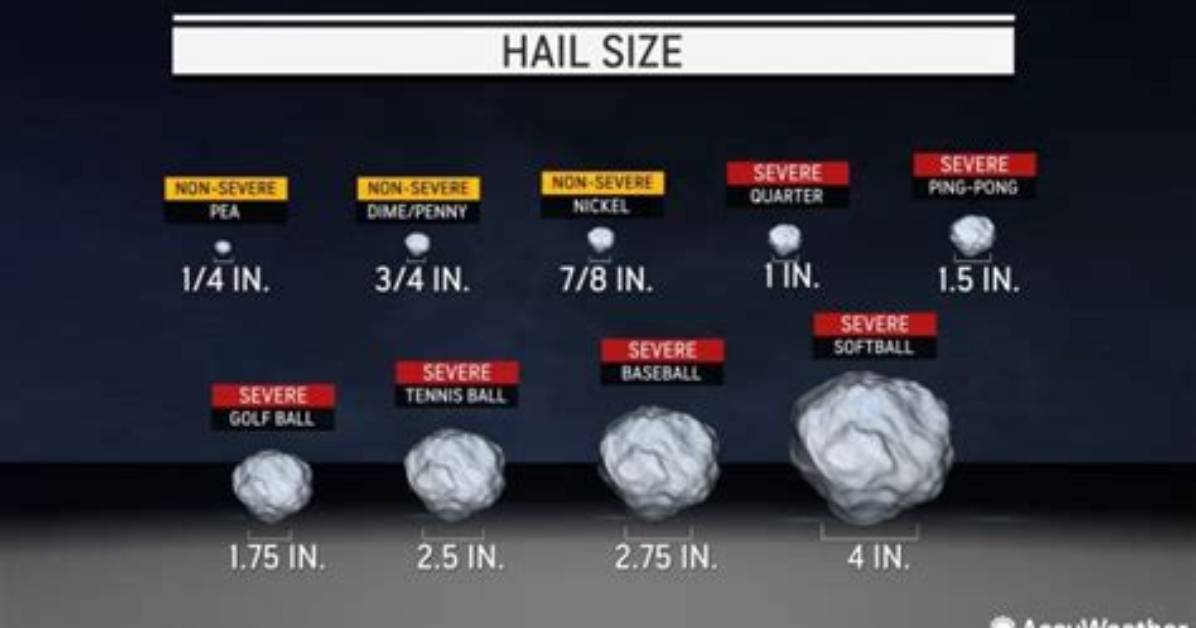
Because coins provide an immediate, tactile visual scale reference, weather spotters have long defaulted to pocket change during high-stress ground surveys. A dime acts as the baseline floor of recognizable frozen precipitation: anything smaller is classed as pea hail (roughly 0.25 to 0.50 inches), while anything matching this tiny silver disc indicates sustained storm updrafts overhead.

