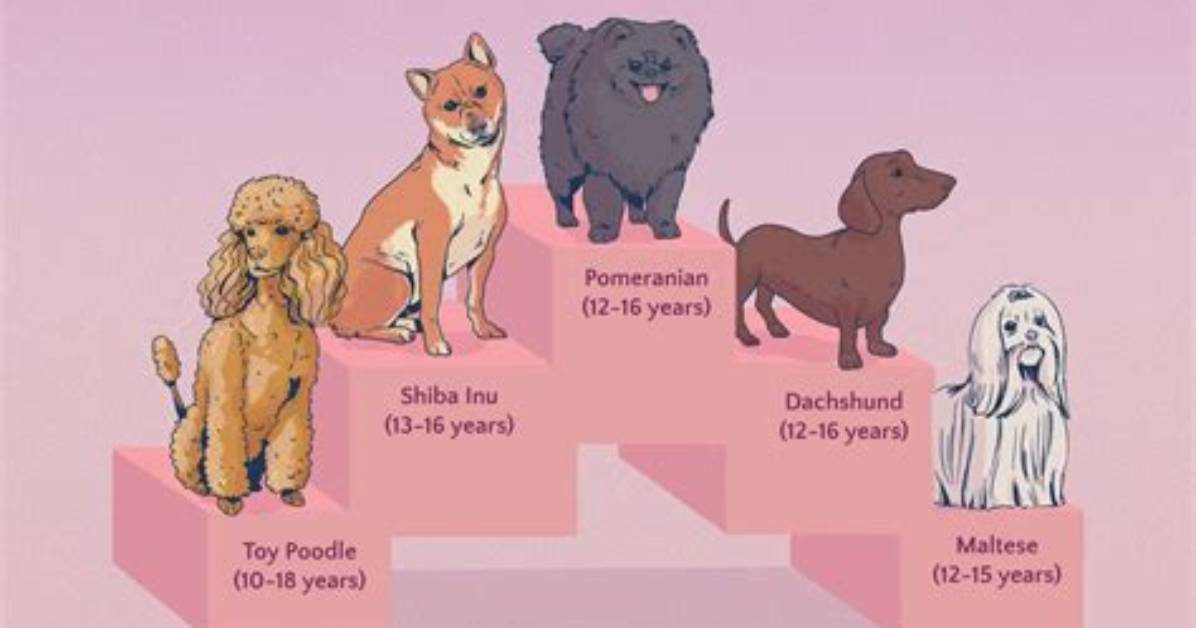
Because the dachshund’s vertebral column functions as a suspension bridge between widely spaced front and rear axles, mechanical load dictates structural integrity. Canine weight management is not merely an aesthetic consideration for this breed; it serves as a primary survival intervention. Excess adipose tissue imposes relentless vertical strain on degenerative intervertebral discs.
Every single surplus pound on a miniature dachshund translates to exponential increases in axial pressure during basic locomotion. A miniature carrying three extra pounds, a condition frequently dismissed by owners as harmless puppy fat, represents a 25% to 30% increase in total body weight. This level of obesity accelerates disc degeneration and multiplies the risk of acute extrusion.
Excess fat acts as an active endocrine organ, secreting pro-inflammatory cytokines that exacerbate generalized osteoarthritis and place chronic stress on renal tissue. Data from canine longevity cohorts shows that maintaining a dog at a lean score on the nine-point Body Condition Scale adds an average of 1.8 to 2.1 years of life compared to overweight littermates. Strict caloric control remains the most cost-effective medical tool available.

