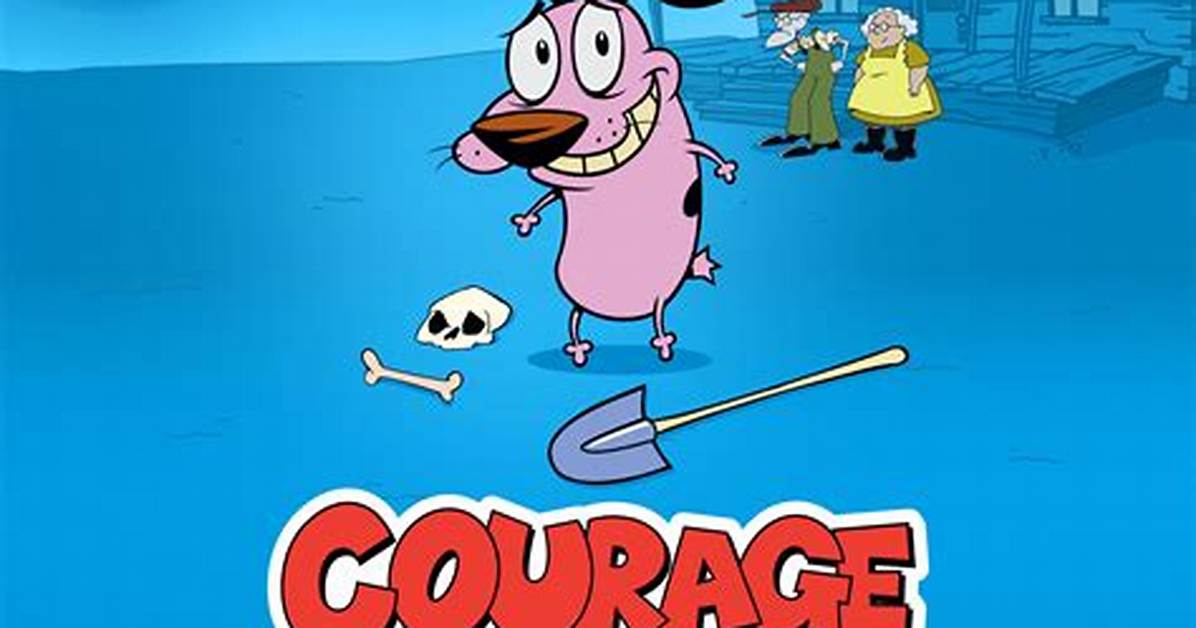
Ask anyone who watched television in the early 2000s about their formative pop-culture traumas, and the answers invariably trace back to specific episodes produced by Dilworth's Stretch Films studio.
Consider "King Ramses’ Curse," originally broadcast in early 2000 during the show's first season. When Eustace refuses to return an ancient stolen slab, an ancient Egyptian pharaoh manifests on the front lawn. Instead of traditional 2D animation, Dilworth rendered Ramses as a jittery, translucent, low-polygon 3D figure standing silently against the wind. His rhythmic chant, "Return the slab, or suffer my curse", felt entirely alien to the visual medium. It looked wrong. It sounded wrong. The clash of visual styles triggered an uncanny valley shock that sticks in the memory decades later.
Then came "Freaky Fred." Visiting his Aunt Muriel, the smiling barber speaks entirely in anapestic tetrameter, recounting his compulsion to shave everything in sight until it is "naughty." The episode ditched bombastic action for psychological terror. Fred never physically harmed Courage; he simply trapped him in a tiled bathroom, smiling warmly while stripping away his fur against his will. The eerie string quartet score and Fred’s unblinking green eyes tapped into predatory dread in a way no contemporary Saturday morning cartoon dared attempt.
| Episode Title | Visual Technique Used | Core Psychological Threat |
|---|---|---|
| King Ramses' Curse | Early 3D CGI layered over 2D painted backdrops | Inevitability, cosmic curses, and unyielding dread |
| Freaky Fred | Hand-drawn expressionism with distorted camera angles | Obsessive compulsion and loss of bodily autonomy |
| The Mask | Stylized noir character design and chiaroscuro lighting | Domestic abuse, cycles of violence, and misanthropy |
| Perfect | Claymation/CGI hybrid ("You're Not Perfect" creature) | Imposter syndrome, inadequacy, and severe self-doubt |

